
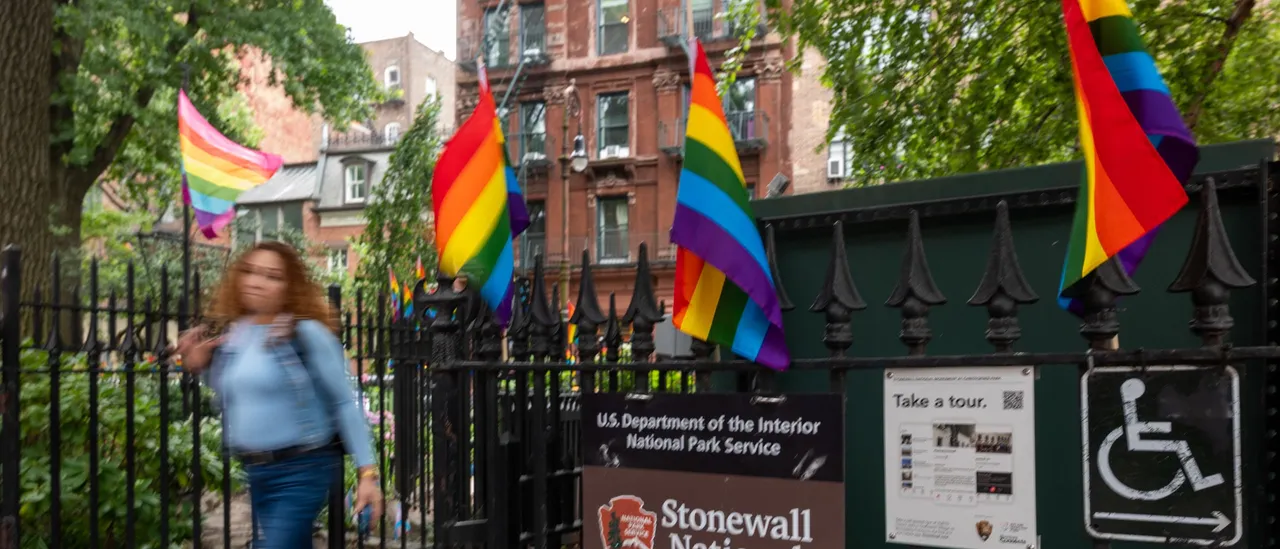
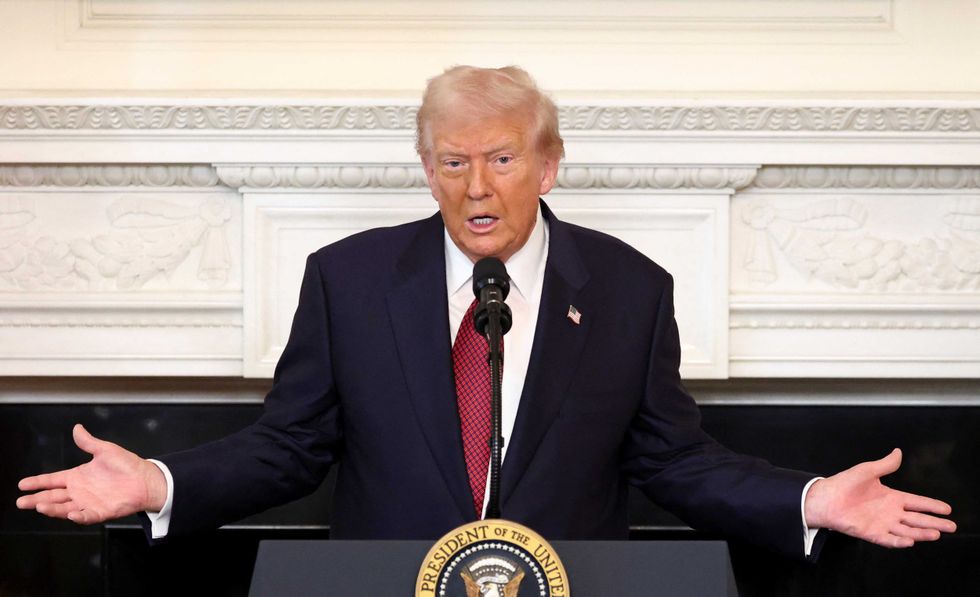

































UPDATE: The rainbow pride flag at Stonewall National Monument in Manhattan has been removed, igniting a fierce backlash from LGBTQ advocates and local officials. This significant act comes just days after the Trump administration confirmed a federal order issued on January 21 to enforce longstanding policies regarding flag displays on federal property.
The National Parks Service (NPS) announced the removal as part of their commitment to a policy that permits only the U.S. flag and other congressionally authorized flags to be flown on NPS-managed flagpoles. This development has been met with anger, as the Stonewall National Monument is celebrated as the birthplace of the modern LGBTQ rights movement, following the historic Stonewall Uprising that began on June 28, 1969.
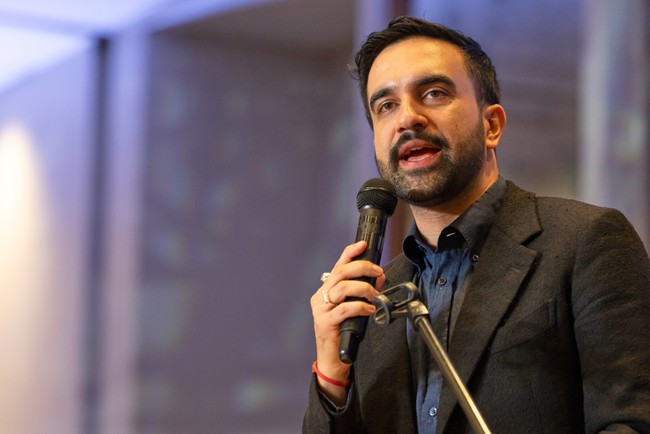
Democratic Manhattan Borough President Brad Hoylman-Sigal expressed his outrage on social media, stating, “The Trump administration cannot erase LGBTQ history.” His comments reflect a growing sentiment that the removal of the flag is an attempt to diminish the significance of LGBTQ struggles and achievements.
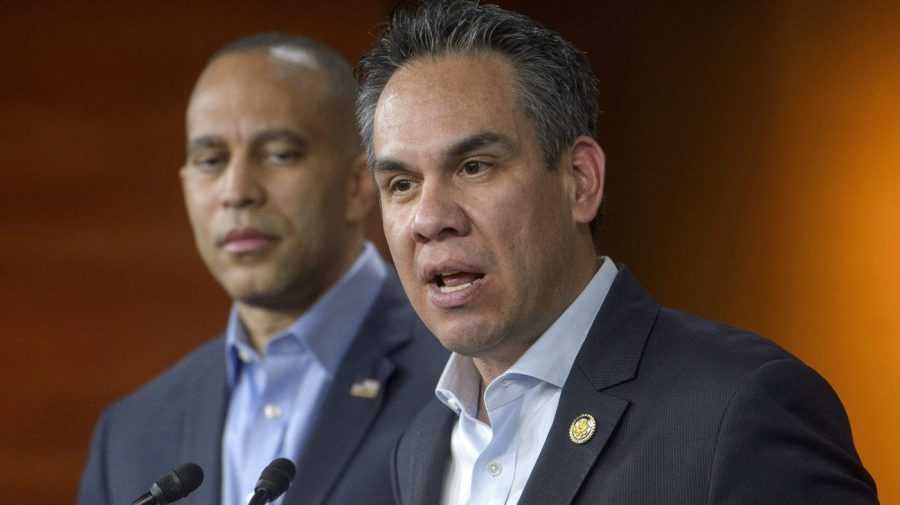
Additionally, New York City Council Speaker Julie Menin condemned the action as a “deliberate and cowardly attempt to erase that history.” Menin emphasized the importance of Stonewall, asserting, “This is an attack on LGBTQ+ New Yorkers, and we will not stand for it.”
In a similar vein, New York State Senator Erik Bottcher lamented the removal as “a shameful attempt to rewrite history.” Bottcher highlighted the inseparable connection between the Pride flag and the Stonewall site, stating, “Stonewall is where our community fought back and demanded to be seen.”
The NPS, in its defense, maintained that the policy governing flag displays has been consistently applied across all sites, ensuring uniformity in adherence to federal guidelines. However, critics argue that this rationale fails to acknowledge the historical and cultural importance of the Pride flag at Stonewall.
As this story develops, many are left questioning what this means for LGBTQ representation and rights in the United States. The backlash from community leaders highlights a growing urgency to protect and celebrate LGBTQ history, especially in the face of perceived governmental erasure.
The implications of this removal are far-reaching, prompting discussions around equality, representation, and the ongoing fight for LGBTQ rights. Advocates are mobilizing to ensure that the legacy of Stonewall and its significance to the LGBTQ community is not forgotten.
Stay tuned for further updates on this developing story as more voices join the conversation, and the impact of this action continues to unfold.