









































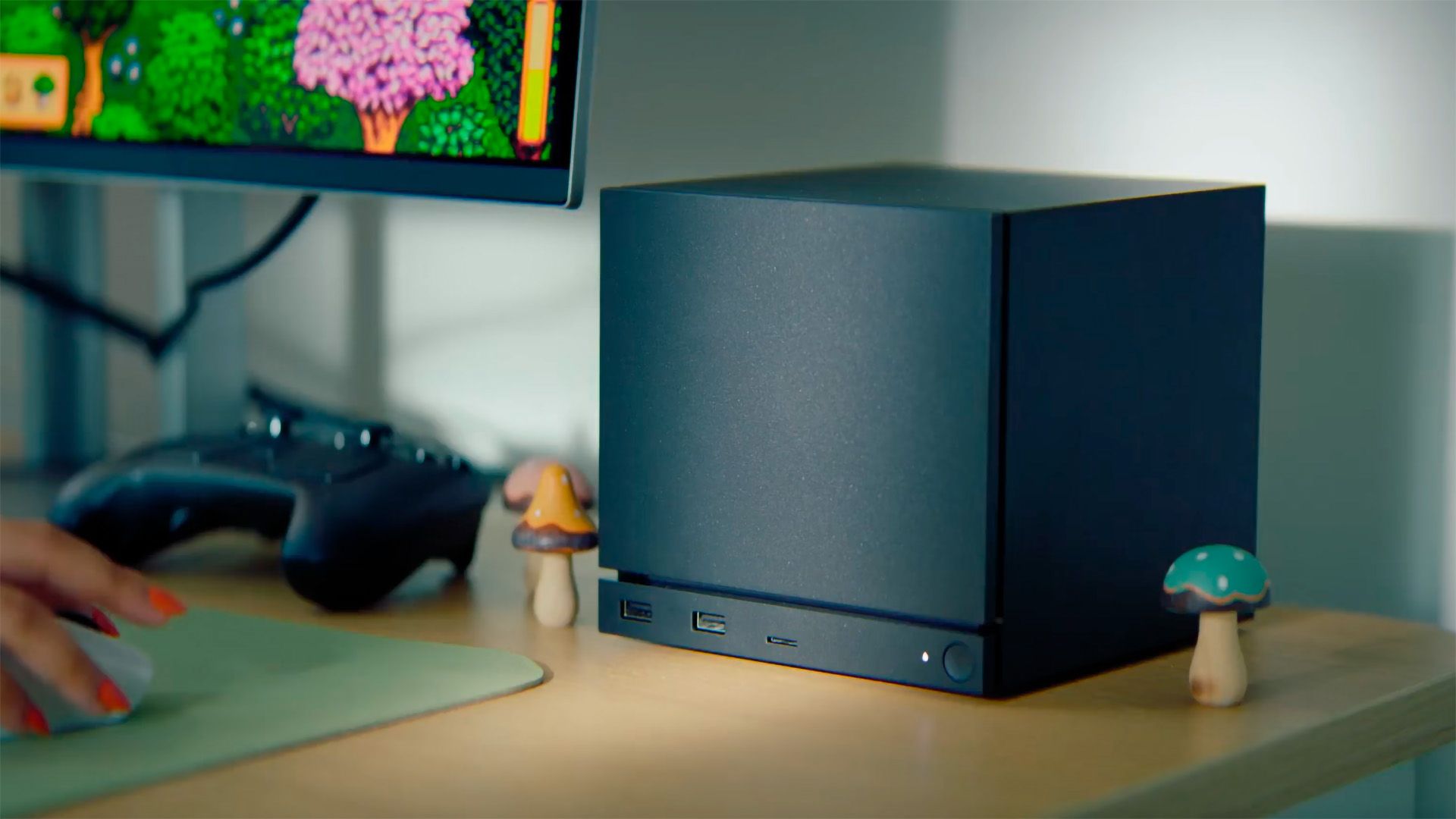
UPDATE: The launch of Valve’s Steam Machine is generating heated discussions as industry experts and gamers express concerns over its specifications and market viability. With RAM shortages driven by AI demand looming over its future, many question if this gaming console can compete effectively.
Critics have labeled the Steam Machine as “dead on arrival,” but experts argue we are misjudging it. The Steam Machine is not a conventional midrange PC but rather a console-style system designed to operate within the expansive PC ecosystem. This crucial distinction shifts the conversation entirely.
Why It Matters NOW: As the gaming landscape evolves, the Steam Machine positions itself against major competitors like the PlayStation 5 and Xbox Series X. It aims to provide a streamlined gaming experience akin to consoles, with the additional strength of the world’s largest PC game library.
The Steam Machine leverages Proton and SteamOS, allowing it to run nearly any game available on the Steam Deck but with approximately six times the power. This technical edge means its performance could rival leading consoles, especially when considering SteamOS’s efficiency in managing resources and enhancing gameplay.
Critics who dismiss the Steam Machine as merely a “7600 XT box that can’t do true 4K” overlook a critical point. The reality is that true native 4K gaming requires 4080-class hardware, which is unattainable for most players. Upscaling technology, such as FSR 3, can significantly extend the performance of the Steam Machine, making it a valuable asset in the gaming market.
Interestingly, most gamers do not own high-end GPUs. In fact, only a small fraction of users operate on top-tier systems, while the majority rely on midrange setups that align closely with the Steam Machine’s specifications. This gaming box is projected to be priced under $1,000, making it an appealing option for many.
For individuals new to PC gaming, the Steam Machine serves as an ideal entry point. It presents a single, cohesive ecosystem that eliminates the complexity of assembling custom rigs or dealing with compatibility issues. This simplicity could catalyze a surge in new gamers eager to dive into the PC gaming world without the usual barriers.
Despite the current uncertainties surrounding RAM shortages, the foundational concept of the Steam Machine remains solid. Valve is not targeting hardware purists; instead, it aims to attract players who prioritize ease of use and access to a vast library of games.
As midrange hardware continues to be the backbone of the gaming community, the Steam Machine’s integration of SteamOS suggests it could outperform expectations. It doesn’t need to revolutionize the industry; it simply needs to meet players where they are—offering a hassle-free, optimized gaming experience.
In a time when accessibility in gaming is more critical than ever, the Steam Machine could serve as a bridge for many potential players. It has the potential to welcome newcomers into the gaming fold without the intimidation of technical specifications or hardware debates.
The gaming industry is watching closely as Valve prepares to unveil its Steam Machine. With ongoing discussions about its viability and performance, the outcome could redefine how we approach the future of gaming hardware. As the launch date approaches, all eyes are on Valve to see if the Steam Machine will ultimately fulfill its promise or become another cautionary tale in gaming history. Stay tuned for further updates.
















