







































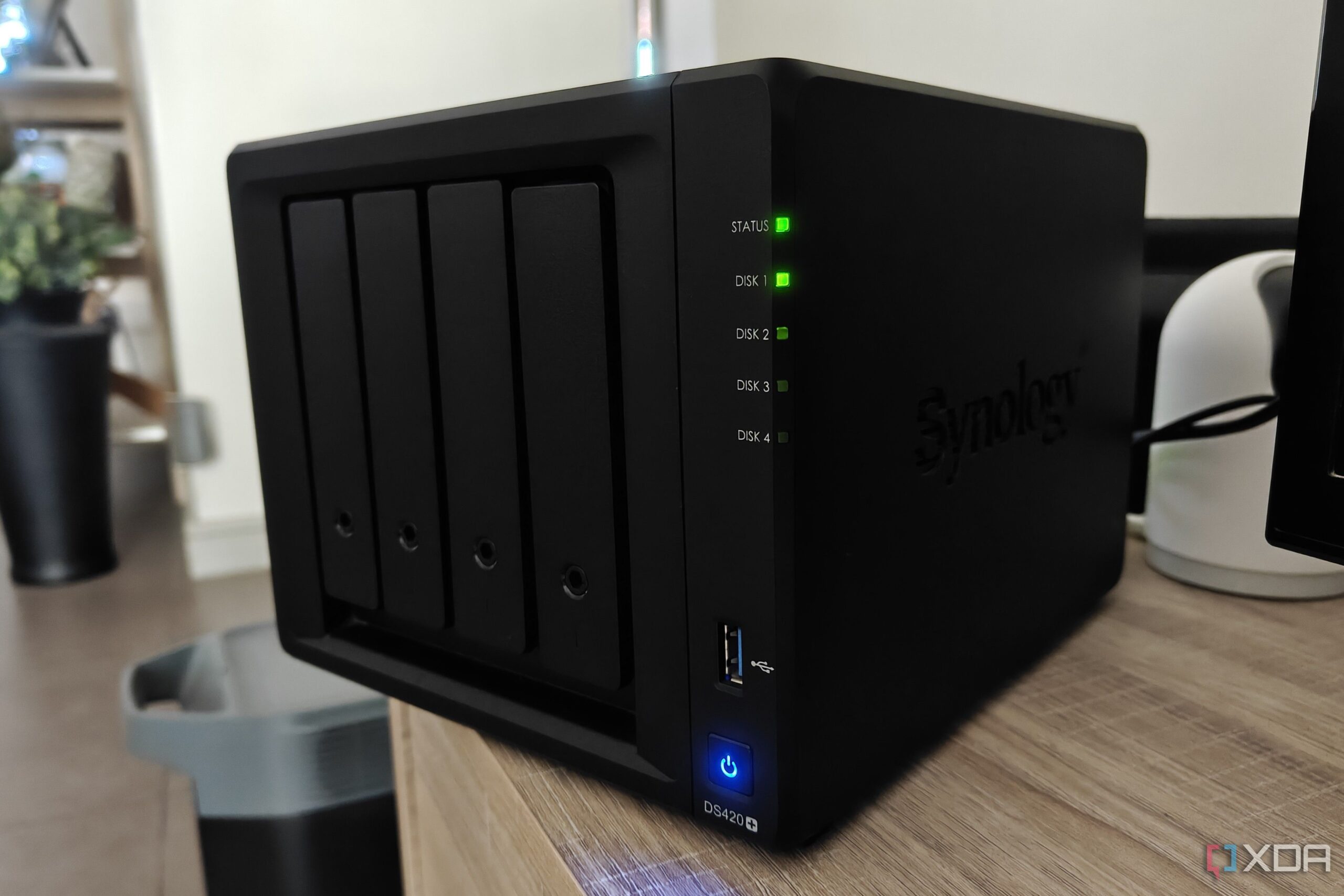
BREAKING: Users are discovering how to effectively run multiple containers on a NAS with just 2GB RAM. This trend is reshaping the self-hosting landscape, making it accessible to those with underpowered hardware.
The latest insights reveal that even modest NAS devices can efficiently handle several containers without crashing. Tech enthusiasts are now sharing their experiences, showcasing reliable options that maximize performance despite hardware limitations.
HOME ASSISTANT, a popular self-hosting tool, is leading the charge. By deploying it in a container, users can utilize its robust automation features without the memory overhead of full OS installations. Many have reported success in managing smart home devices and running daily automations seamlessly.
Another critical tool is CLOUDFLARED, which allows secure external access to self-hosted services via a Cloudflare Tunnel. Users confirm that this lightweight container requires minimal resources, making it ideal for 2GB RAM NAS setups. With no performance issues reported since its deployment months ago, it has become a staple for secure self-hosting.
JOTTY PAGE, once known as RwMarkable, is also gaining traction. Users appreciate its clean interface for task management and note-taking. The app’s ability to auto-save and sync across devices, coupled with a secure connection through Cloudflare, has made it a favored choice among those looking to simplify their task management.
Moreover, DONETICK has emerged as a must-have for users seeking to streamline their chores and tasks. Its auto-scheduling feature is a game-changer, especially for those juggling multiple responsibilities. Although some users have noted frequent logouts, the container’s performance remains consistent with limited RAM.
However, the experience is not without challenges. Users have encountered issues with certain services, such as IMMICH and PAPERLESS-NGX, which demand more RAM during intensive tasks like image processing and document tagging. These setbacks highlight the importance of knowing one’s hardware limitations.
As self-hosting continues to evolve, lighter container options are proving to be reliable alternatives for those with budget constraints. Users are encouraged to explore these efficient solutions to optimize their NAS experience without the need for expensive hardware upgrades.
Keep an eye on this developing trend as more users share their success stories and tips for maximizing the potential of their NAS devices. The self-hosting revolution is here, and it’s more accessible than ever!