







































UPDATE: A recent experiment attempted to transform a Raspberry Pi into a Wi-Fi router, revealing crucial insights for tech enthusiasts. The project, aimed at replacing a commercial router with this versatile device, faced unexpected challenges that highlight the limitations of DIY networking.
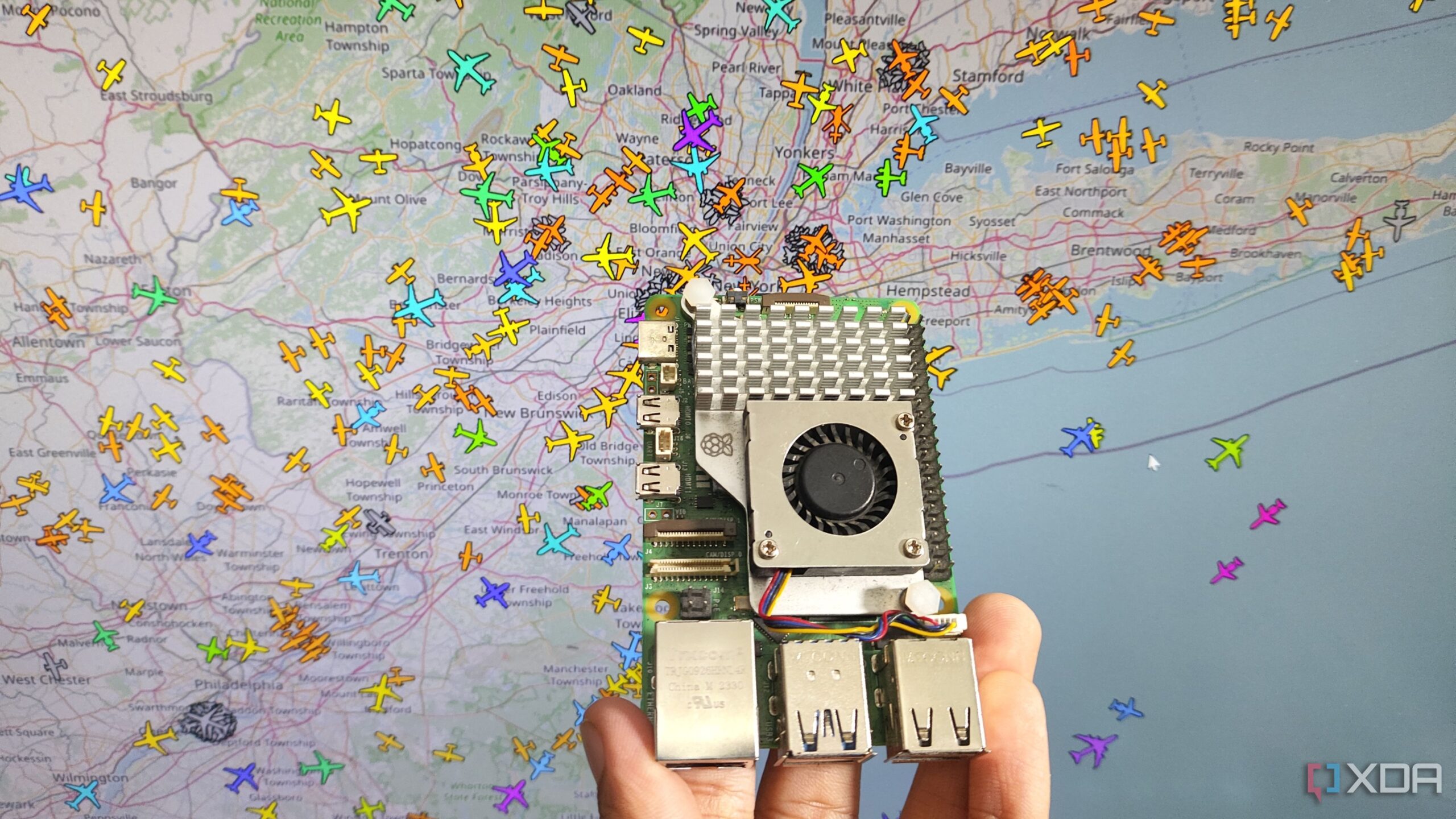
The experiment, conducted by a tech enthusiast, aimed at leveraging the Raspberry Pi 5 for home networking. While the promise of customization and flexibility drew interest, the results exposed significant hurdles that could deter many from pursuing similar setups.
Why This Matters: With the growing reliance on home networks, understanding the capabilities and limitations of DIY solutions like the Raspberry Pi is essential for users seeking cost-effective alternatives.
The project commenced with the installation of various router software, including OpenWrt and pfSense, promising enhanced control over the network environment. The appeal lies in the ability to run multiple services on a single board, allowing for a streamlined and educational networking experience.
However, the experiment quickly revealed a major stumbling block: wireless performance. The Raspberry Pi lacks integrated radio hardware suitable for modern router demands, particularly when covering multiple rooms. Even with an external USB Wi-Fi adapter, the throughput lagged significantly behind that of budget retail routers. As multiple devices connected simultaneously, the performance dropped sharply, a reality that many users could find frustrating.
Routing and firewall capabilities also presented challenges. While the Pi 5 boasts speed improvements over its predecessors, it struggles under heavy traffic loads such as streaming or large file transfers. The absence of hardware acceleration that is common in consumer-grade routers exacerbates the situation, leading to potential bottlenecks.
Reliability proved to be a further issue. Unlike commercial routers, which come with optimized firmware for stability, the DIY setup demanded careful configuration. A single misconfigured setting could disrupt essential services like DNS or DHCP, causing prolonged downtime and frustration.
Despite these challenges, the experiment yielded valuable insights. Users gained hands-on experience with networking protocols, enhancing their understanding of how commercial routers operate behind the scenes. This knowledge empowers individuals to troubleshoot their existing networks with greater confidence.
The Raspberry Pi experiment also highlights the engineering intricacies of consumer networking hardware. Participants emerged with a deeper appreciation for the optimizations that make even basic routers function effectively in demanding environments.
For those considering this project, a few recommendations are crucial. Pairing the Pi with a capable external dual-band or tri-band USB Wi-Fi adapter is essential for better performance. Additionally, a powered USB hub may be necessary to prevent connectivity issues due to power limitations.
Choosing the right software is equally important. While OpenWrt offers a polished interface, other distributions like Raspberry Pi OS or Ubuntu Server require more intricate configurations. Beginners may find RaspAP more user-friendly, as it simplifies many routing tasks right out of the box.
Ultimately, this Raspberry Pi Wi-Fi router experiment serves as a learning opportunity rather than a permanent solution. It is ideal for those eager to explore networking in a lab environment. However, families or individuals needing reliable connectivity may want to reconsider before relying on this setup.
The experiment underscores the Raspberry Pi’s strengths in fostering curiosity and hands-on learning, while also setting realistic expectations about its capabilities. As home networking continues to evolve, understanding these dynamics will be vital for tech enthusiasts everywhere.