









































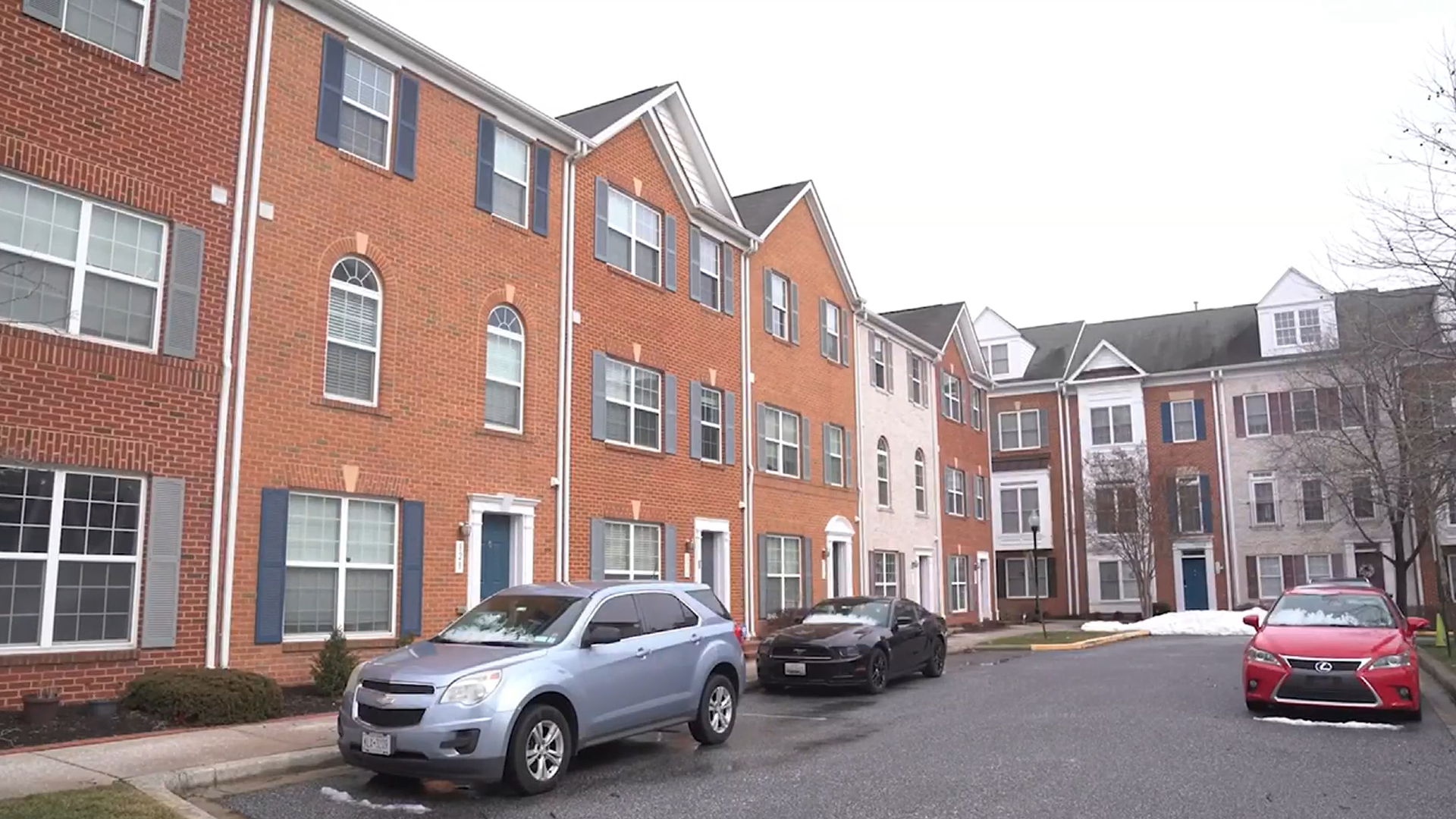
UPDATE: A professor in Baltimore was left homeless for nearly two months after squatters moved into his home using a fake lease. The shocking incident has resulted in over $80,000 in damages, raising urgent questions about tenant rights and property law in Maryland.
Ze Wang, a professor at the University of Maryland School of Medicine, returned to his townhouse in the Pigtown neighborhood on January 7, 2023, after a winter vacation, only to find that his keys no longer worked. Upon arrival, he discovered signs of forced entry and called 911 immediately. As he approached from the back, he was stunned to see strangers unloading their belongings into his home.
“I was totally shocked,” Wang recounted. “Before the police came, the woman came out and knocked on my window, saying, ‘We can talk.’ I said, ‘No, no, you shouldn’t be here; this is my house.’”
When the Baltimore Police Department arrived, the squatters presented a lease agreement signed by an individual named “Samuel.” Wang insisted it was a fake lease, stating, “I don’t know Samuel at all, and everything is fake.” Despite showing officers clear signs of forced entry, including a damaged window, the police left after viewing the lease, treating it as a landlord-tenant dispute rather than criminal trespass.
Wang faced a harrowing situation as he had nowhere to go. He was set to teach the next day but was forced to live elsewhere and even spent nights sleeping in his office. While he was displaced, Wang received messages demanding $5,000 in cash to vacate his property.
“Both of us are victims in this situation,” the sender of those messages claimed. However, Wang was clearly the one suffering, noting significant damage to his property, including holes in the walls and a broken garage door frame.
After 59 days of displacement, authorities finally confirmed the squatters had vacated. Wang learned that the female squatter had given a fake name, complicating the situation even further. Contractors are now assessing the damage, with estimates exceeding $80,000.
The townhouse was left in a deplorable state, filled with discarded items such as clothing, children’s shoes, and even used pregnancy tests. Disturbingly, burnt marijuana cigarettes and drug paraphernalia were found in the master bedroom, alongside a strong odor of urine and feces. A section of the ceiling had collapsed, traced back to a clogged toilet causing extensive water damage.
As contractors work to restore the property, Wang hopes to sell his home soon. His plight comes amid ongoing discussions in Maryland about potential changes to laws addressing fraudulent leases and squatting networks, which have become a pressing concern for homeowners across the state.
What to watch for: As Maryland legislators continue to debate reforms, the case highlights the urgent need for legal protections against fraudulent leasing practices. Wang’s experience serves as a cautionary tale for homeowners everywhere, underscoring the potential vulnerabilities in property rights.
This developing story brings to light the grim realities of homelessness and property disputes, emphasizing the importance of immediate legal action and awareness in protecting homeowners from similar predicaments.
















