

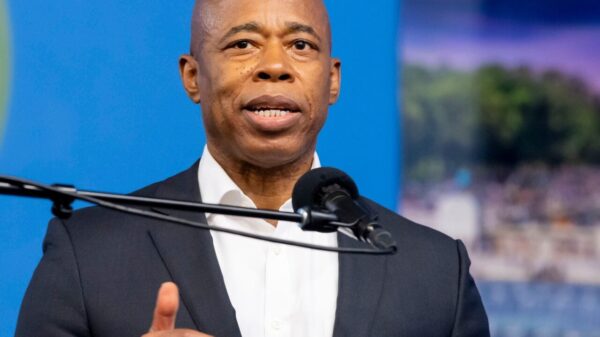



































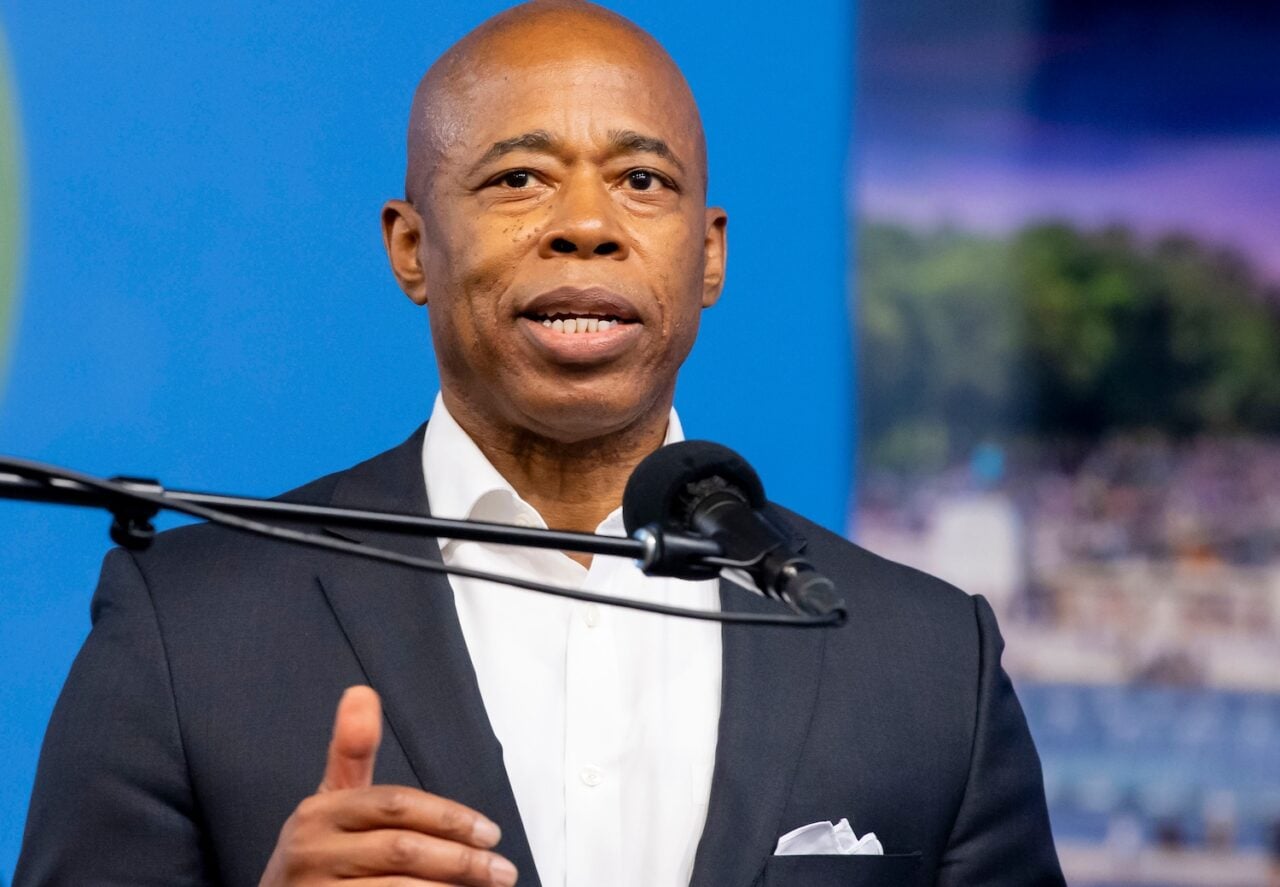
UPDATE: Outgoing New York City Mayor Eric Adams is set to tackle pressing issues like violence, education, and antisemitism using cryptocurrency, according to remarks made during his final press conference on Monday. Adams, a known advocate for crypto, expressed his commitment to integrating digital assets into solutions for these critical societal challenges.
At the press conference, Adams passionately stated, “I’m excited about the next step,” indicating a vision that blends his enthusiasm for crypto with the urgent needs facing the city. His administration established the Office of Digital Assets and Blockchain, but now he aims to take this initiative further, suggesting that cryptocurrency could play a role in reforming vital areas that impact New Yorkers daily.
Adams’ comments have sparked a wave of curiosity and skepticism. What exactly does he mean? Is he proposing to fund initiatives through cryptocurrency donations, or perhaps even launching a decentralized autonomous organization (DAO) to address these issues? The ambiguity of his statements has left many questioning the feasibility of his plans. “I cannot tell you…I’ve said over and over again, anyone would like to finish a job that you started,” he remarked, hinting at a desire to continue his legacy beyond his term.
The year 2025 has already seen significant lobbying efforts in the crypto sector, with 27 companies filing initial disclosures by July. This growing momentum has led to innovative marketing strategies, such as Coinbase distributing branded vending machines and chocolate bars on the National Mall, aimed at generating excitement around cryptocurrency in political circles.
As Adams prepares to leave office, his vision of integrating crypto into urban solutions raises questions about the future of governance and technology. Will New Yorkers see tangible benefits from this unconventional approach, or is it merely a creative expression of his final thoughts as mayor? The urgency of addressing violence, education, and antisemitism cannot be understated, and how Adams plans to leverage crypto could have significant implications for city policy moving forward.
Critics and supporters alike will be watching closely as Adams transitions out of office. His remarks may have been an artistic expression of hope, but the real test will be whether any actionable plans emerge from this vision. The next mayor will inherit not only the challenges Adams has highlighted but also the innovative strategies he proposes.
In the coming weeks, expect more developments surrounding these initiatives and how crypto could potentially reshape New York City’s approach to critical societal issues. The intersection of technology and public policy is rapidly evolving, and Adams’ bold statements may just be the beginning of a new chapter.