







































URGENT UPDATE: A growing number of users are transitioning to open-source productivity tools, with one notable exception: Obsidian. As of October 2023, users are increasingly swapping out proprietary applications for open-source alternatives, citing enhanced security and innovative features. Despite this trend, Obsidian remains a staple in many productivity stacks.
The shift to open-source tools has been driven by concerns over cloud reliance and a desire for more modern applications. Users report that tools like AFFiNE for project management and Penpot for design prototyping are rapidly becoming favorites. However, the local-first capabilities of Obsidian, despite being closed-source, have prevented many from making the leap away from it.
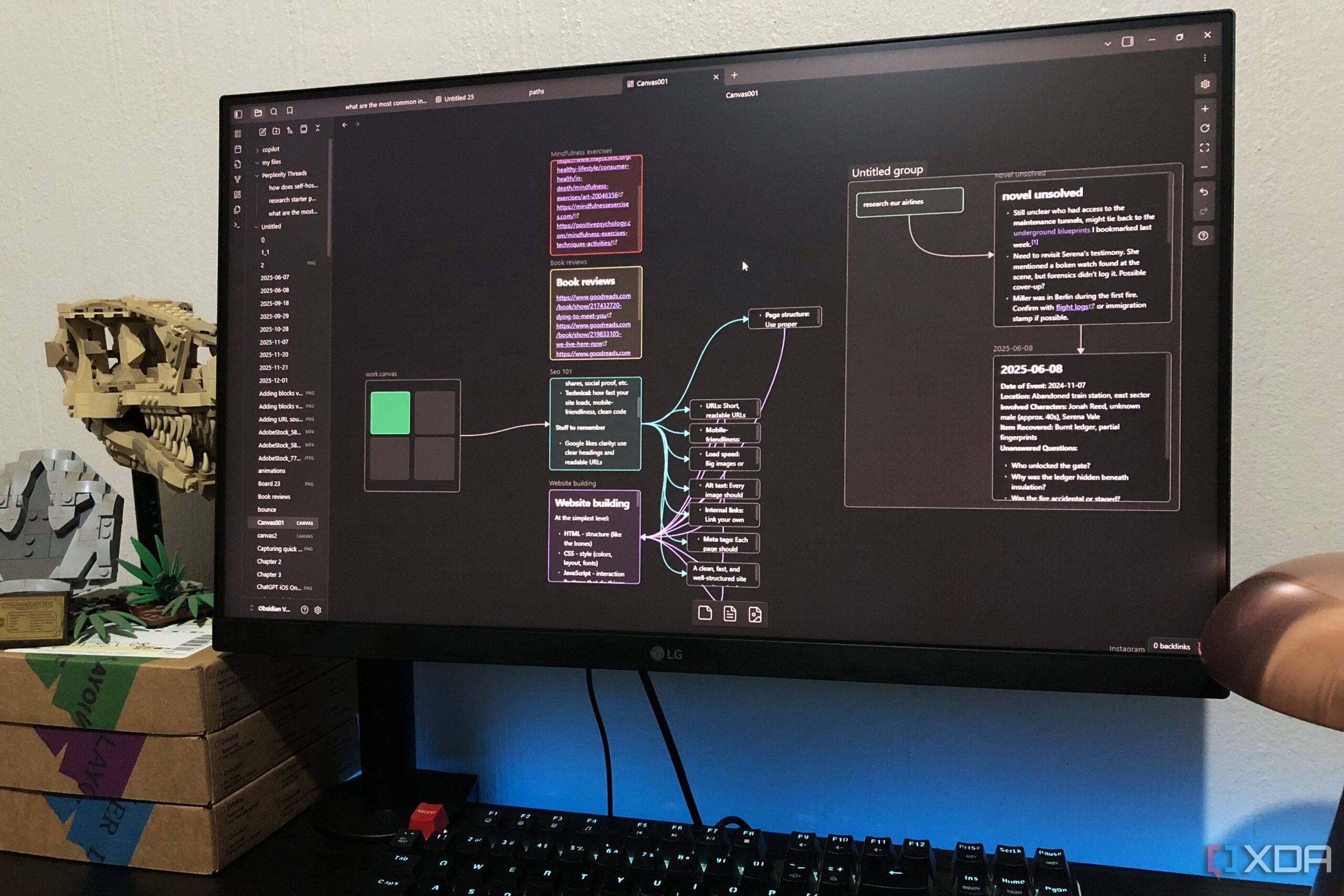
Why does this matter? Obsidian offers a unique combination of features that keep it competitive in a landscape increasingly dominated by open-source options. Users appreciate its Markdown support, seamless linking, and powerful visual tools like the Canvas, which allows for brainstorming and media integration.
Developing Story: Users have reported that the integration of Perplexity with Obsidian is particularly beneficial, enabling easy export of threads as Markdown files while maintaining formatting and web links. This functionality enhances the user experience, proving that Obsidian can coexist with a predominantly open-source workflow.
Many users have expressed frustration over Obsidian’s closed-source status. The development team prioritizes feature enhancement over open-source maintenance, arguing that open-source models can burden development with overhead like code reviews and community forks. According to co-founder discussions, maintaining an open repository could detract from their focus on delivering new features, a critical concern for a productivity tool.
Yet, Obsidian does provide some open-source-like benefits. Its local-first design ensures that all notes are stored on users’ devices, safeguarding personal information and allowing for easy backups. The app’s plugin ecosystem invites community contributions, giving users the ability to customize their experience.
As the demand for open-source solutions continues to rise, Obsidian’s place in the productivity toolkit remains secure. It integrates well with other applications—such as Joplin, Logseq, and others—supporting Markdown files and facilitating seamless movement of documents across platforms.
Users are sharing their experiences widely, emphasizing that despite its proprietary nature, Obsidian’s functionality aligns well with an open-source ethos. It maintains a balance of local data storage, user privacy, and compatibility with existing open-source tools, making it a hybrid solution for many.
Next Steps: As the trend toward open-source tools accelerates, all eyes will be on Obsidian to see how it adapts. Will the developers consider a shift to an open-source model to satisfy user demand? For now, Obsidian remains a top choice for many, blending the best of both worlds in a rapidly evolving digital landscape.
Stay tuned for more updates as this story develops. Users are encouraged to share their thoughts on social media, fueling the ongoing conversation about the future of productivity tools in an increasingly open-source world.