



































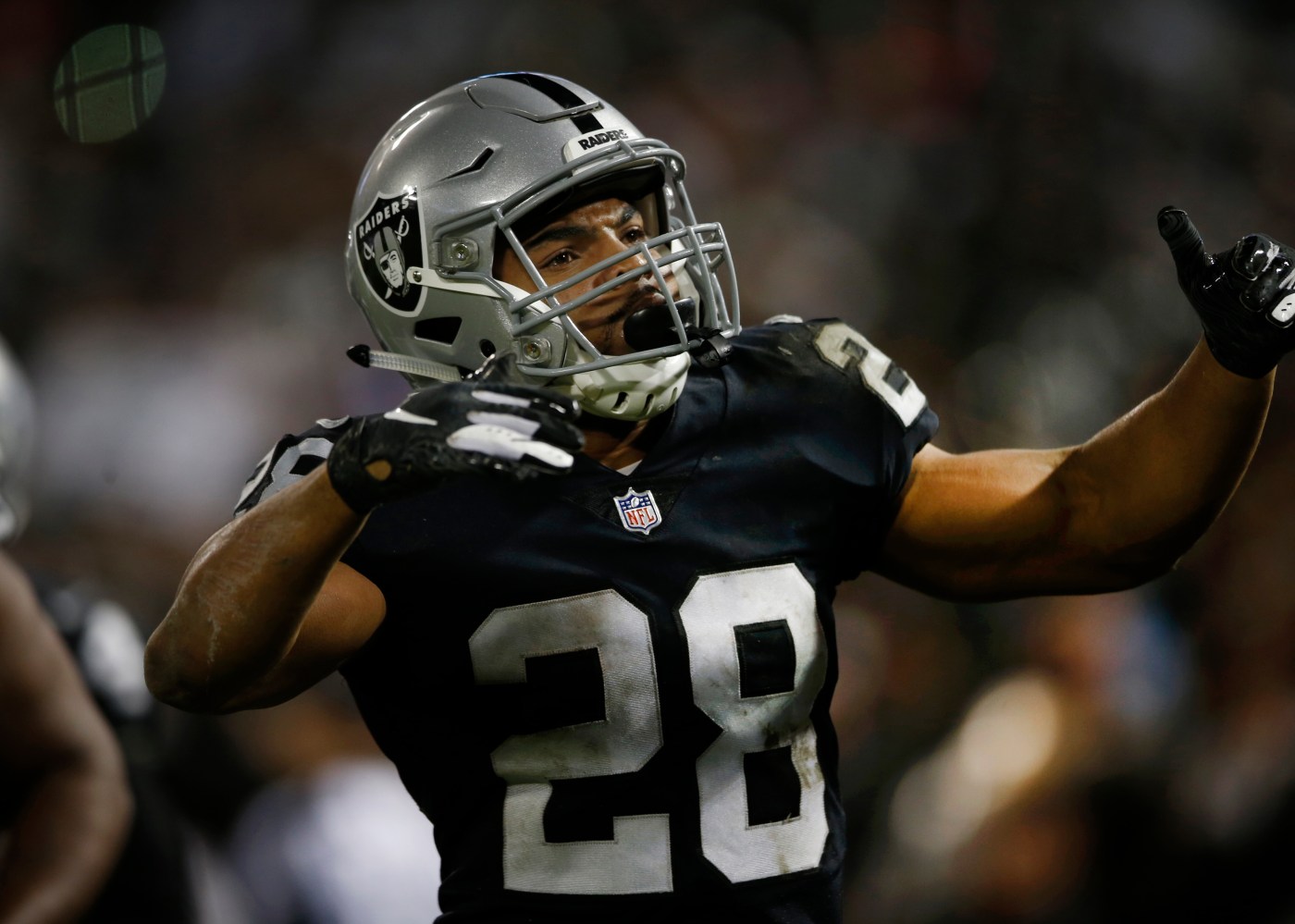
BREAKING: The Oakland Police Department (OPD) has just confirmed that it will not release body-camera footage related to the death of former NFL running back Doug Martin during an encounter with officers on October 18, 2023. This decision comes after a “brief struggle” led to Martin becoming unresponsive, raising serious questions about police transparency in the wake of a tragedy.
Authorities report that Martin, 36, was found inside a neighbor’s home in the Oakland hills after multiple 911 calls reported a possible burglary. Witnesses claim he was banging on doors and wandering through backyards shortly after 4 a.m. The OPD received simultaneous reports of a medical emergency involving an individual believed to be breaking into a house, according to their statement.
Despite the urgency of the situation, OPD officials argue that this incident does not qualify as a “critical incident” under AB 748, a law designed to enhance police accountability. This law requires disclosure of body-camera video when police use deadly force or cause significant injury. OPD’s unsigned statement emphasized that “the City has determined that the incident does not meet the definition of a ‘critical incident’,” preventing the release of the footage.
The decision has drawn sharp criticism from First Amendment advocates, including David Loy, legal director of the First Amendment Coalition, who stated, “
Transparency is the oxygen of accountability. The public has an overwhelming interest in how the government does their job, especially how police officers do their job.
” Loy insists that even without legal obligation, the OPD should release the video to maintain public trust.
As of now, the Alameda County Coroner’s Office has not completed Martin’s autopsy, which is expected to include an examination for chronic traumatic encephalopathy (CTE)—a condition linked to repeated head injuries in athletes. Martin’s family is preparing for his memorial service, scheduled for Thursday, but has not publicly commented on the matter.
This incident comes amid heightened scrutiny of the OPD, which has been under federal monitoring for two decades. Just days before Martin’s death, the department began encrypting its radio channels, limiting public access to vital communications regarding police activity. Community leaders and civil rights advocates have expressed concern over this lack of transparency.
Civil rights attorney Jim Chanin, known for his involvement in landmark cases against police misconduct, argues that the body-camera footage should be released regardless of the OPD’s classification of the incident. Chanin stated, “
I have the point of view that when in doubt, release it.
”
As the community grapples with Martin’s untimely death, the lack of information and accountability from the OPD raises crucial questions about policing practices in Oakland. The public awaits further developments, particularly regarding the autopsy results and potential changes in OPD’s transparency protocols.
Stay tuned for updates on this developing story as authorities continue to navigate the balance between public interest and police protocol.