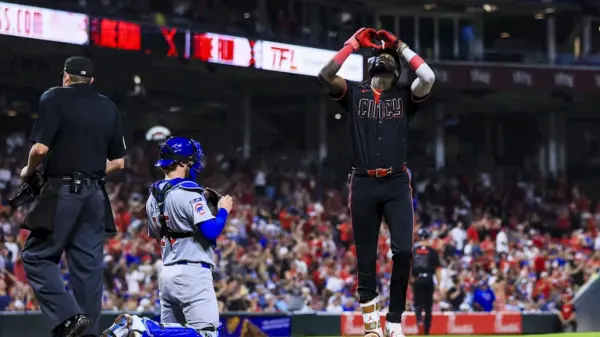
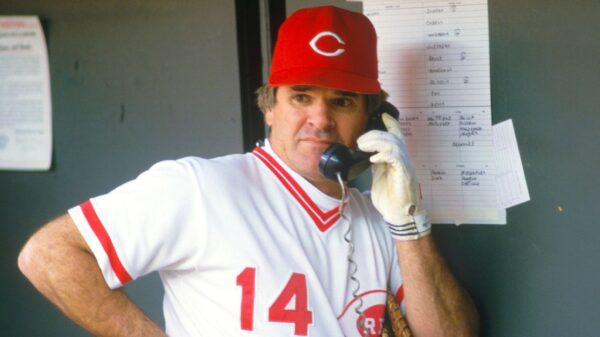





































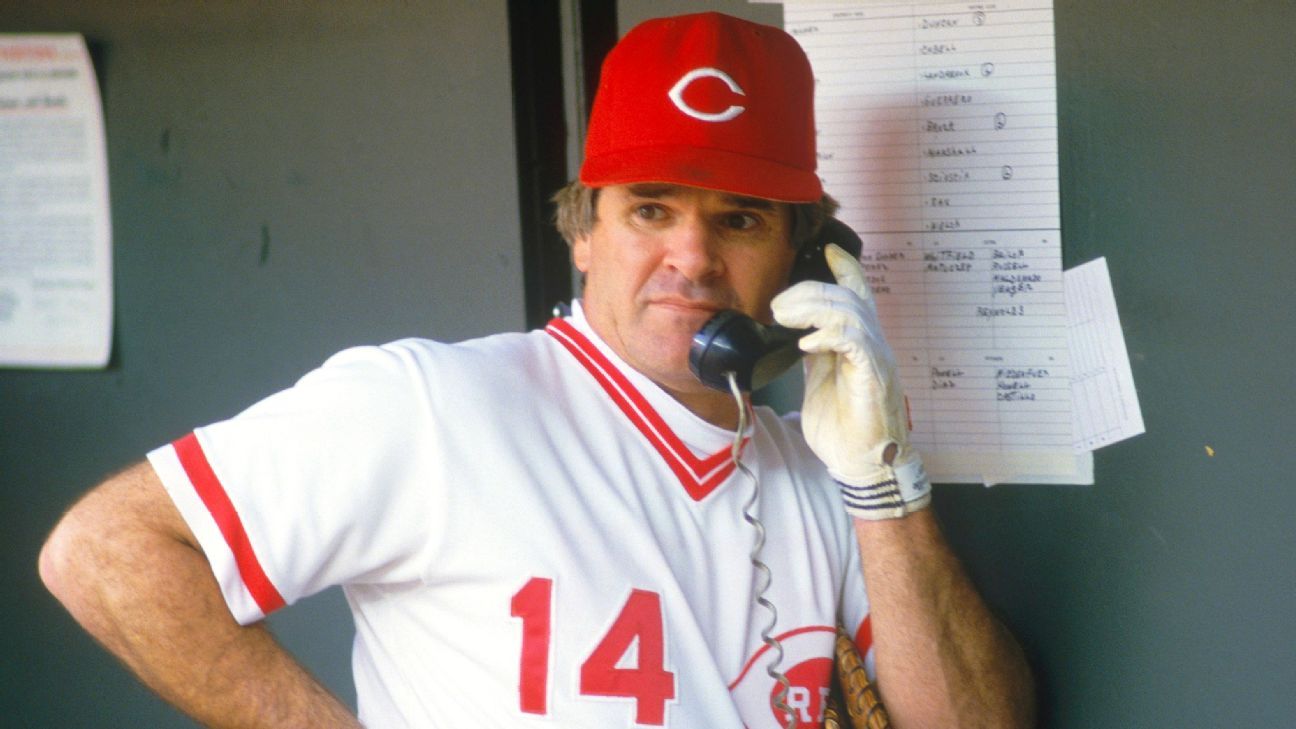
BREAKING NEWS: Newly released FBI documents confirm that Major League Baseball (MLB) began investigating legendary player Pete Rose in 1988, the year before his lifetime ban for gambling was publicly announced. This urgent update sheds light on the timeline of Rose’s controversial history with betting on baseball.
The investigation began months before the public was aware of any issues, with MLB already suspecting that Rose was betting on games and was deeply in debt, estimated between $300,000 and $400,000. This crucial information is part of a recent document release by the FBI, which has fueled renewed discussions about Rose’s eligibility for the Baseball Hall of Fame.
In April 1988, federal authorities requested that MLB pause its investigation into Rose, fearing it might interfere with ongoing inquiries into his finances. According to a memo dated April 13, 1988, the FBI indicated that the investigation involved Rose’s known bookmakers, including a man named Ronald Peters. The FBI’s Cincinnati office noted that MLB did not fully discuss its investigation with the FBI at that time.
The documents reveal that former MLB representative and FBI agent Joe Daly communicated with the FBI about the league’s concerns regarding Rose. Daly confirmed that at least one individual had alleged that Rose was betting on games. After MLB agreed to suspend its investigation, the FBI later provided a witness who could further assist MLB’s efforts.
The fallout from the investigation led to Rose’s lifetime ban in August 1989, after MLB hired former federal prosecutor John Dowd to lead the inquiry. The findings, famously known as the Dowd Report, concluded that Rose had bet on MLB games, including those involving his own team, the Cincinnati Reds.
Despite Rose’s passing at the age of 83 in 2022, discussions about his Hall of Fame candidacy continue to spark debate. MLB Commissioner Rob Manfred lifted Rose’s ban earlier this year, making him eligible for consideration by the Hall of Fame’s Classic Era Committee in 2027.
The newly released FBI documents also touch on Rose’s interactions with organized crime figures, although they do not suggest any direct links between Rose, Peters, and the New York mob. Rose served five months in federal prison after pleading guilty in 1990 to filing false tax returns related to his gambling activities and memorabilia sales.
As new revelations emerge, the future of Rose’s Hall of Fame candidacy remains uncertain. Fans and analysts alike are eager to see how this renewed scrutiny will affect his legacy in baseball. Stay tuned for further updates on this developing story.