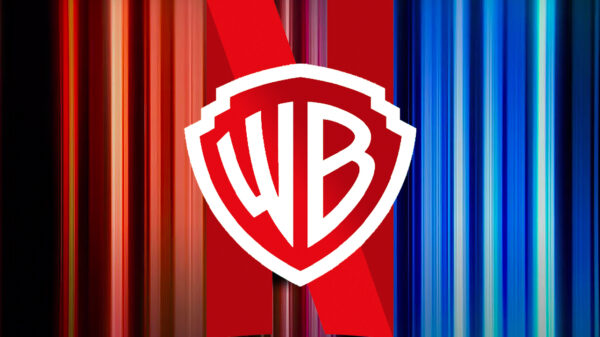



































URGENT UPDATE: Netflix has officially announced plans to acquire Warner Bros. as part of a significant deal expected to be finalized in 2026. This acquisition includes the iconic movie and TV studios, as well as HBO, while TV networks will remain separate under the Discovery umbrella. The deal, still subject to regulatory approval, could reshape the entertainment landscape for viewers worldwide.
Why does this matter? The merger signals a shift in how major studios operate, potentially impacting content availability, pricing, and theatrical releases. With Netflix’s acquisition, viewers may soon see a more integrated streaming service that combines Netflix’s vast library with HBO’s premium content.
During a recent conference call, Netflix co-CEO Ted Sarandos emphasized the company’s commitment to storytelling, stating, “We expect to continue operating HBO and Warner Bros. as they have been.” However, industry experts are raising eyebrows at the implications of Warner Bros. being viewed as a subsidiary rather than an independent studio.
As part of the acquisition, Netflix plans to maintain the current operational structures of HBO and Warner Bros., which suggests that blockbuster films will continue to hit theaters before streaming on HBO Max. Currently, Warner Bros. movies typically appear on HBO Max within 10 to 12 weeks of their theatrical release. Sarandos hinted at evolving release windows, stating, “Over time, the windows will evolve to be much more consumer-friendly.”
This acquisition could lead to a significant shift in subscription models. The Hollywood Reporter indicates that Netflix may eventually integrate HBO Max into its platform, possibly resulting in a price increase for subscribers. Currently, the combined cost of Netflix and HBO Max is approximately $35 per month. Viewers are left to wonder if this merger will lead to better deals or simply higher costs for bundled services.
Netflix’s move to acquire Warner Bros. is also seen as a strategic decision to eliminate competition in the streaming sphere, particularly concerning HBO Max. Industry analysts believe that this merger is less about nostalgia for a legacy studio and more focused on enhancing Netflix’s content library to create a more formidable streaming service.
In the short term, this acquisition may allow Warner Bros. to maintain its theatrical release strategy, as Netflix’s own limited theatrical distribution has not posed a direct threat. However, questions remain about how filmmakers will respond to this integration. Will they still prioritize theatrical releases, or will the allure of streaming dominance overshadow traditional cinema?
The entertainment industry is watching closely as this deal unfolds. With regulatory approvals pending, the future of Warner Bros. and its extensive library hangs in the balance. As audiences await further developments, the implications of this merger could redefine how content is consumed across platforms.
As this story continues to develop, viewers and industry insiders alike are eager to see how the merger will affect their favorite shows and movies. Stay tuned for further updates on this groundbreaking acquisition.