









































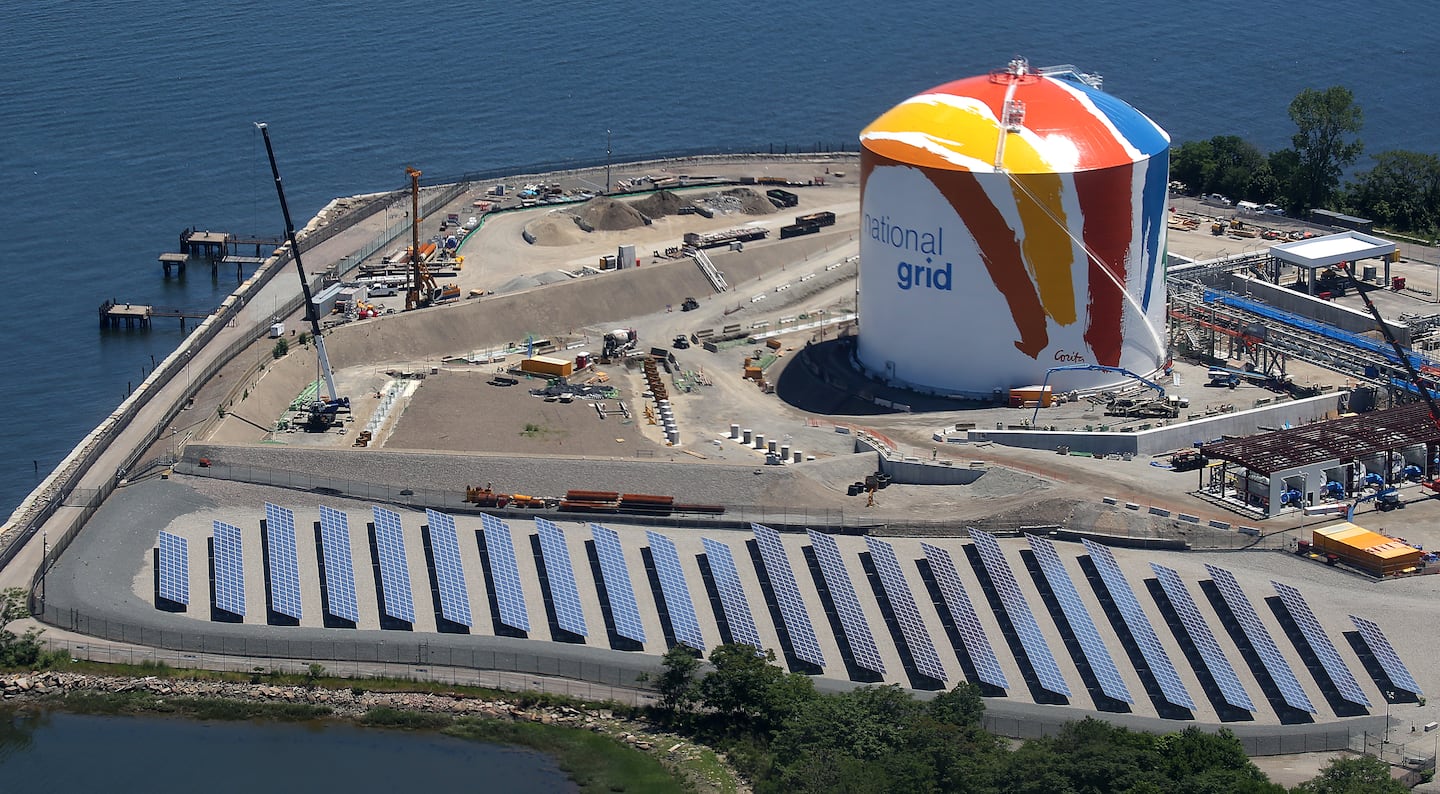
UPDATE: National Grid has just announced a controversial proposal to increase its base rate for natural gas by an average of 10 percent, intensifying the energy affordability crisis for households across Massachusetts. This urgent development follows a similar rate hike request from Liberty Utilities, which seeks to raise gas bills in the Fall River area by an alarming 55 percent this year.
Residents are already feeling the strain of soaring energy costs, especially in environmental justice communities where families spend a disproportionate amount of their income on utilities. The push for higher gas rates highlights a troubling trend: the state’s reliance on expensive and volatile fossil fuels is driving up prices and exacerbating financial hardships for many.
Cynthia Mendes, Massachusetts director of Clean Water Action, voiced strong opposition to National Grid’s strategy, stating, “Prioritizing natural gas distribution while Massachusetts desperately needs decarbonization amounts to fiscal malfeasance.” This sentiment reflects growing concerns that the utility is perpetuating dependence on unpredictable fossil fuel markets.
According to officials, the Department of Public Utilities issued an order in August to halt ratepayer-funded subsidies for new gas line extensions. New customers now face costs averaging around $9,000 for their connections, shifting the financial burden directly onto them.
The proposed rate increase comes as Massachusetts aims for net-zero carbon emissions by 2050. However, the reliance on natural gas necessitates upgrades to outdated distribution infrastructure, some of which dates back to before 1970. This raises critical questions about the efficacy of continuing to invest in fossil fuels, as it does little to mitigate the price volatility that has plagued residents for years.
Advocates are calling for a shift towards clean energy solutions. Mendes emphasizes the need for investments in renewable energy sources, stating, “Locally generated renewable energy provides reliable, cost-stable power, strengthens our economy, creates jobs, and protects public health.” Since 2010, Mass Save has generated over $34 billion in benefits and savings while reducing reliance on polluting gas.
As Massachusetts leaders scramble to address mounting energy costs, the focus must remain on climate leadership and ensuring efficiency upgrades are accessible to all. The utility’s proposal poses an immediate threat to this goal, as many fear it will entrench a system that prioritizes profits over the well-being of everyday residents.
Moving forward, stakeholders will be watching closely as the public reacts to this proposal and as discussions about energy solutions continue. With the energy affordability crisis deepening, the need for urgent action has never been more clear. Residents are urged to stay informed and engage with local leaders about the future of their energy sources and costs.
















