









































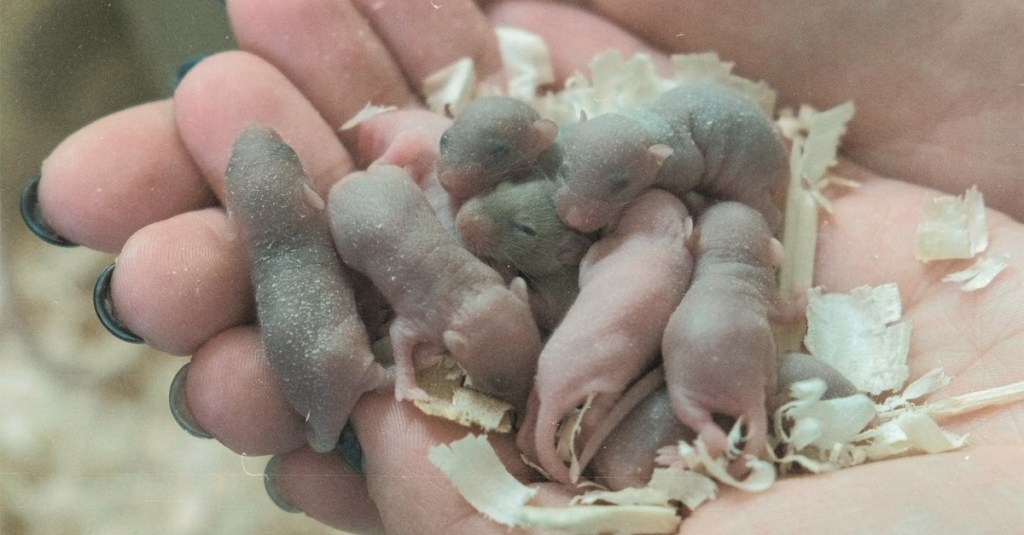
BREAKING: A female mouse has made headlines by giving birth to a litter of pups after returning from a space mission. This significant development raises critical questions about human reproduction in space, as scientists continue to explore the viability of life beyond Earth.
On October 31, 2023, four mice were launched aboard China’s Shenzhou-21 mission, orbiting approximately 400 kilometers above Earth for two weeks. They safely returned on November 14, and on December 10, one of the female mice delivered nine pups, six of which survived—an outcome deemed normal by laboratory standards, according to the Chinese Academy of Sciences.
This birth is a groundbreaking achievement in the study of mammalian reproduction in microgravity. Researcher Wang Hongmei emphasizes that this finding indicates short-term spaceflight did not adversely affect the mouse’s reproductive capabilities. Such data is crucial as scientists assess the long-term implications of space travel on biological processes.
Mice are often utilized in such studies due to their biological similarities to humans, quick reproduction rates, and their ability to reveal potential issues before they manifest in humans. Previous experiments have shown that mouse sperm can fertilize eggs after exposure to space conditions. However, this latest study marks a significant progression by testing the entire process of pregnancy and birth post-spaceflight.
The mission faced challenges, including a change in the return schedule that extended the mice’s time in orbit, raising concerns about food supply. Ground teams had to test emergency rations, ultimately deciding on soy milk as a backup for the mice’s diet. An AI system continuously monitored their movement, eating, and sleeping patterns, ensuring they followed a strict day-night cycle similar to that on Earth.
Now, scientists are closely observing the newborn pups, assessing their growth, physiological changes, and reproductive potential. The aim is to detect any long-term issues that could emerge across generations, which is vital for future human missions to Mars and beyond.
While one successful birth does not guarantee that mammals can conceive and gestate in reduced gravity without complications, it does eliminate one significant concern regarding reproduction in space. As humanity prepares for extended off-world missions, ensuring that reproduction remains viable is essential.
This small yet impactful event suggests that space does not immediately disrupt fundamental biological processes, presenting a glimmer of hope for future human exploration of Mars and potential permanent settlements beyond Earth. The implications of this research could resonate far beyond the confines of a laboratory, capturing the imagination of scientists and the public alike.
Stay tuned for further updates as researchers continue to monitor the pups and explore the possibilities of life in space.
















