






























UPDATE: A mistrial has been declared in the high-profile corruption case against Linda Sun, a former aide to New York governors, following a federal jury’s inability to reach a verdict. The jury, based in Brooklyn, reported a complete deadlock on all 19 charges, including allegations that Sun sold her influence to China and engaged in a fraudulent scheme involving critical medical supplies during the COVID-19 pandemic.
The jury’s foreperson informed US District Judge Brian Cogan of their stalemate shortly after resuming deliberations. “Your honor, after extensive deliberations, the jury remains unable to reach a unanimous verdict,” the note read. Prosecutor Alexander Solomon expressed the government’s intent to retry the case “as soon as possible,” emphasizing the urgent nature of these allegations.
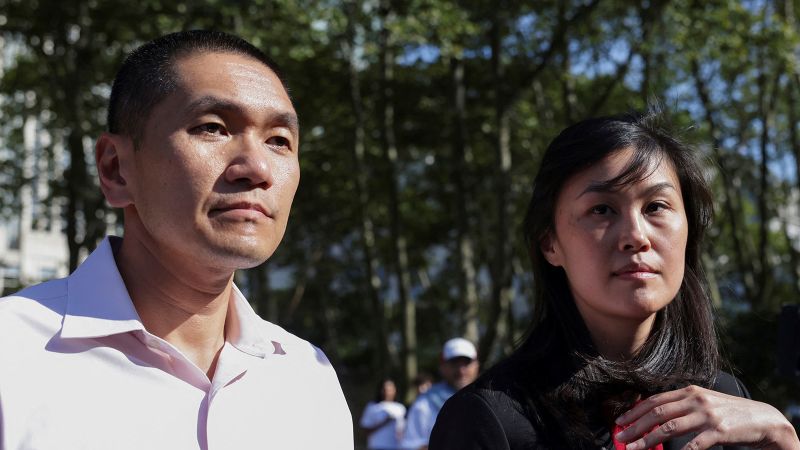
Sun, alongside her husband Chris Hu, faced severe accusations of profiting from a scheme that allegedly involved taking kickbacks from Chinese companies to secure lucrative state contracts for medical supplies. The case is part of a broader initiative by the Justice Department to dismantle clandestine networks allegedly working for the Chinese government in the United States.
Prosecutors claim that Sun used her position to advance Beijing’s interests, including blocking interactions between representatives of Taiwan and New York’s governor’s office. Evidence presented during the trial suggested she even forged Governor Kathy Hochul‘s signature to facilitate visa approvals for Chinese officials.
In closing arguments, Solomon stated, “Linda Sun betrayed the state of New York to enrich herself,” highlighting a pattern of corruption that allegedly rewarded Sun with millions of dollars. This included significant financial gains that allowed the couple to purchase a $1.9 million condo in Hawaii and a new Ferrari, alongside maintaining an extravagant lifestyle.
Defense attorney Kenneth Abell characterized Sun as a “proud American” acting in her capacity as a public servant. He argued that the prosecution failed to provide concrete evidence of wrongdoing, specifically regarding the forgery allegations and the need for bribes during a time when state contracts were being awarded swiftly due to the pandemic.
As this developing story unfolds, the implications of the mistrial resonate beyond the courtroom. The case has spotlighted the increasing scrutiny of foreign influence in U.S. politics and the potential vulnerabilities within state government operations.
Next steps include the government’s preparations for a retrial, which could occur within the coming months. All eyes will be on the forthcoming developments as the Justice Department continues its campaign against perceived foreign influence in the United States.
Stay tuned for further updates as this urgent case progresses.