









































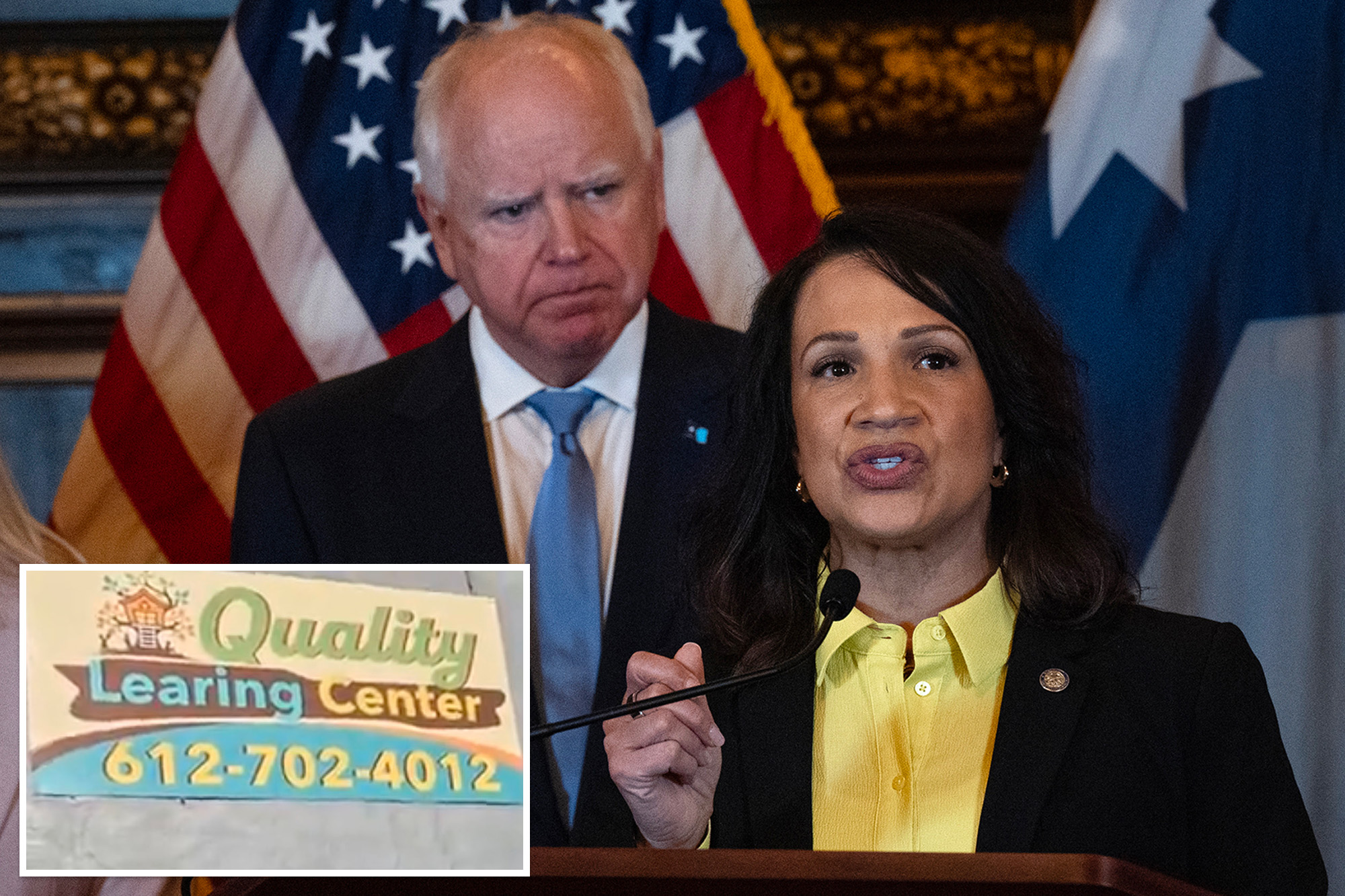
UPDATE: Minnesota House Speaker Lisa Demuth has issued a stark warning, declaring that Americans will be “shocked” by the extensive fraud crisis affecting her state. This urgent statement came Wednesday as she urged voters to elect a Republican administration in the upcoming 2026 election to facilitate meaningful change.
In an interview on America’s Newsroom, Demuth emphasized that the ongoing fraud—largely involving day care assistance, Medicaid, and other public benefit programs—has been ignored by Democrats for years. “We have been talking about this as Republicans in Minnesota for years, and Democrats have either turned a blind eye or ignored it,” she asserted.
Demuth expressed gratitude to House Oversight Committee Chairman James Comer for conducting a hearing on the issue, highlighting the contributions from Minnesota’s representatives. The alarming situation has escalated under the leadership of Governor Tim Walz, who Demuth claims has failed to address the crisis. She stated, “The fraud falls squarely on Walz’s shoulders. He’s the governor and needs to take full responsibility.”
The speaker underscored that electing another Democrat in 2026 would effectively amount to a third term for Walz. “Any Democrat they put in to run in 2026 is part of the problem,” Demuth warned. “We need Republican leadership to turn the state around and ensure accountability for the tax dollars that Minnesotans contribute.”
Governor Walz has strongly defended his administration against these allegations, asserting his accountability in a press conference on Tuesday. “The buck stops with me. I’m accountable for this and, because of that accountability, I’m not running for office again,” Walz stated. He criticized Republican narratives that suggest racial minorities are responsible for the fraud, saying, “Republicans want to tell you everybody with brown skin is stealing money. Their idea of improving this state is being a parrot for Donald Trump.”
The ongoing debate over the fraud crisis is gaining national attention, with implications for both local governance and broader political dynamics leading into the 2026 elections. As the situation develops, voters in Minnesota are increasingly aware of the stakes involved.
With both sides digging in, the political landscape in Minnesota is set to become a focal point for discussions on governance, accountability, and the future direction of the state. Observers are closely watching how these revelations will influence voter sentiment and party strategies as the election approaches.
Stay tuned for further updates on this developing story as more details emerge.
















