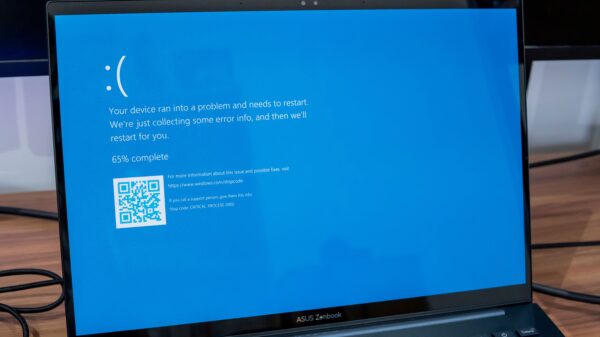






























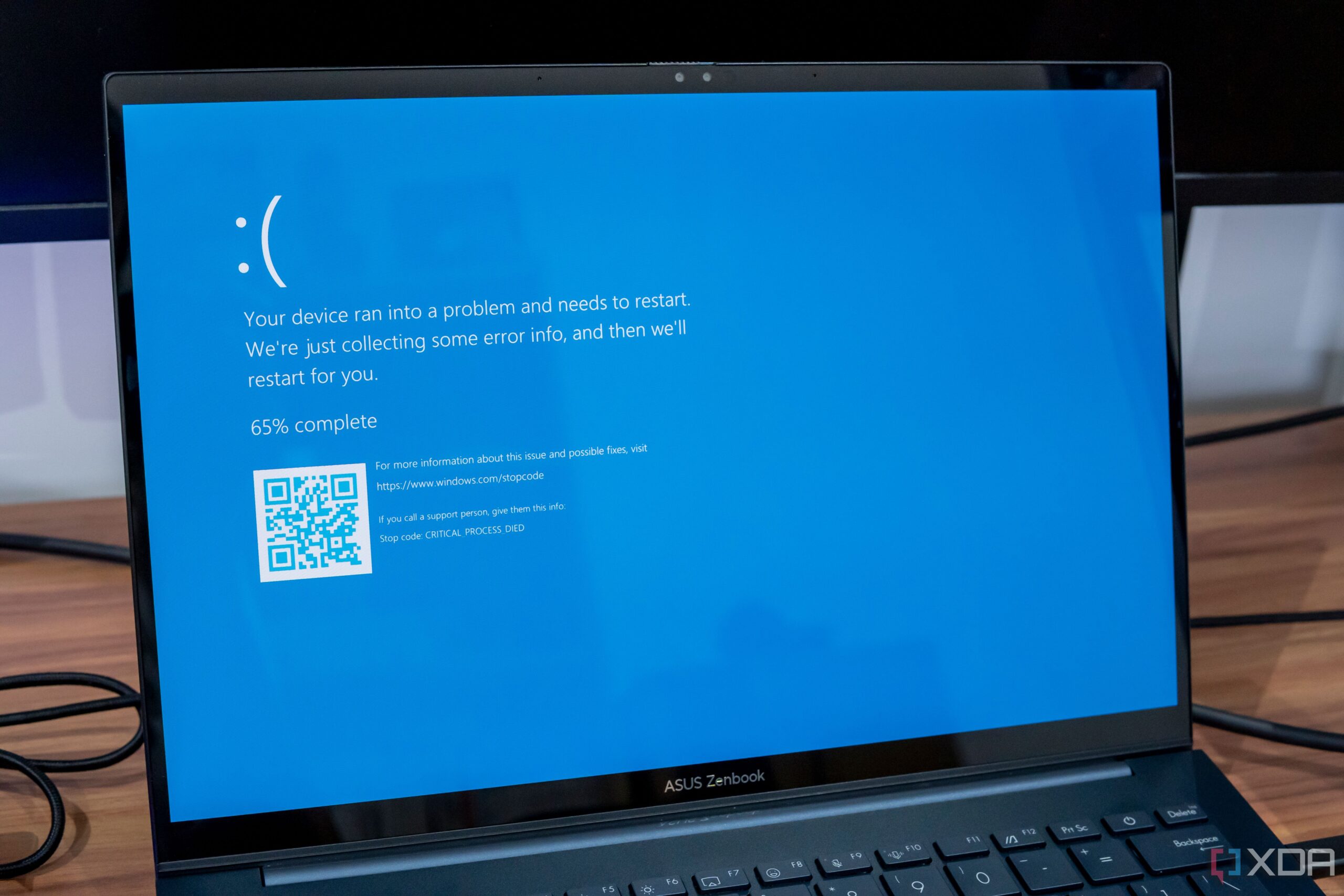
URGENT UPDATE: Microsoft is in turmoil as critical bugs in Windows 11 threaten the operating system’s reliability, leading to widespread user frustration. The company has confirmed that core features like the Start Menu, Taskbar, and File Explorer are breaking following a problematic update from July 2025.
As of now, users are experiencing frequent crashes and unresponsive features, sparking outrage among the 1 billion PCs still running Windows 10. Many users are reluctant to transition to Windows 11, fearing they will encounter the same issues that have plagued the OS since its launch in October 2021.
Microsoft’s own support bulletin revealed that these issues stem from a flawed XAML software component, causing the Explorer.exe and ShellHost processes to crash sporadically. The fallout has seen countless users struggling with broken taskbars and settings that refuse to launch, creating a chaotic user experience.
“Major Windows 11 core features can break after recent updates,” Microsoft stated, highlighting the severity of the situation.
Despite the ongoing chaos, Microsoft has been pushing for more aggressive integration of AI features within the operating system. CEO Satya Nadella recently announced that up to 30% of the code written at Microsoft is now generated by AI, raising concerns about software quality as users are left grappling with an unreliable interface.
This shift towards an AI-centric approach has not only complicated the user experience but has also led to the introduction of unwanted features like the persistent Copilot button, which many users find intrusive. The dissatisfaction is palpable, as users express frustration over the prioritization of unrequested features over essential functionality.
Windows 11’s adoption is lagging behind expectations, with reports indicating it is roughly 10 percentage points behind Windows 10’s rollout at a similar stage. This has created a growing trust deficit, as users question why they should upgrade to a system that appears to be faltering.
As October 2025 approaches, marking the end of support for Windows 10, Microsoft faces a critical juncture. Users have been reluctant to upgrade, and dissatisfaction is brewing as advertisements for Microsoft products increasingly infiltrate the operating system, perceived as a betrayal by those who paid for it.
What’s next for Microsoft? The company must decide whether to double down on AI features or refocus on stabilizing its operating system. Users are clamoring for a reliable Windows experience where basic functions work seamlessly, rather than being overshadowed by new, unproven technologies.
Microsoft has the resources to address these issues, but time is running short. Windows 11 must become a trustworthy platform if Microsoft hopes to retain its user base as alternatives become increasingly appealing.
As the situation develops, all eyes will be on Microsoft to see if they can restore user confidence and reinvigorate the Windows brand, or if they will continue to lose ground in a competitive landscape.