









































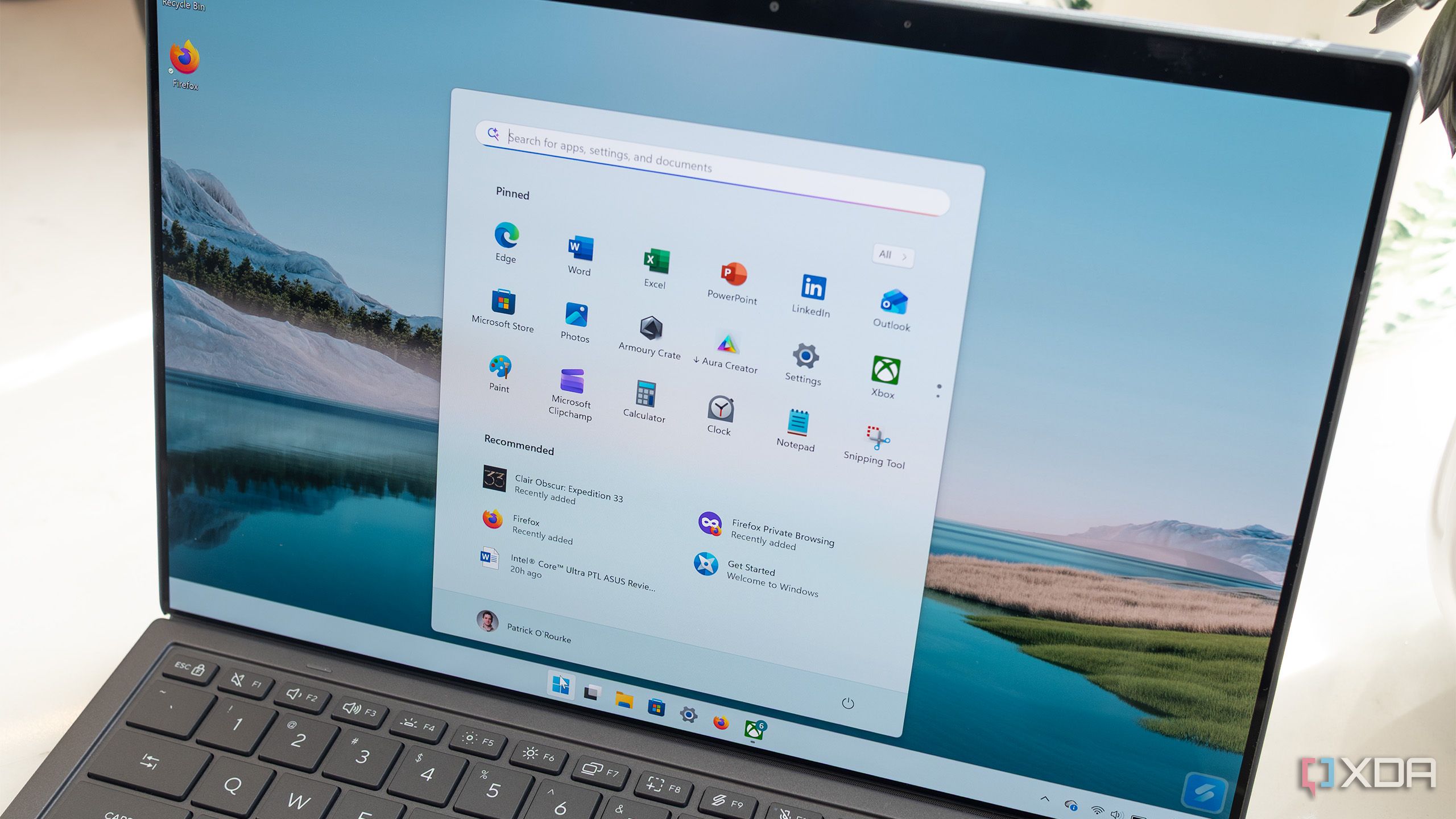
UPDATE: Microsoft has officially acknowledged significant missteps with Windows 11, responding to widespread user dissatisfaction. This urgent admission signals a potential shift in the company’s approach as users demand more reliable and user-friendly experiences.
In a striking turn of events, Microsoft confirmed that the integration of its AI feature, Copilot, into various applications has not met user expectations. Many Windows 11 users, including early adopters who embraced the new OS for its modern interface, have reported that recent updates have hampered their workflow rather than enhancing it.
Windows 11 was initially celebrated for its streamlined design, which included a centrally-aligned taskbar and a revamped Settings app. However, as Microsoft increasingly pushed AI features across the platform, user complaints surged. Many found that updates frequently disrupted critical functionalities, with some reports indicating that recent patches left systems unbootable.
As Microsoft reflects on these challenges, users have expressed feelings of vindication. “It’s still not a victory, but an acknowledgment of the fact that pushback does work, even against massive corporations like Microsoft,” noted one frustrated user. The company now faces mounting pressure to prioritize user experience over aggressive AI integration.
The impact of these updates cannot be overstated. For regular users, the reliability of Windows 11 has deteriorated sharply. Automatic updates have become a source of anxiety, leading many to disable them altogether. “I usually wait at least a week before installing updates,” one user shared, highlighting a growing distrust in Microsoft’s update process.
Moreover, the once-simple Notepad application has transformed into a cluttered interface filled with unnecessary formatting options, losing its original charm. Users argue that essential features, like spellcheck, remain unaddressed while Copilot commands dominate the app landscape.
As Microsoft reassesses its strategy, there is cautious optimism. The company plans to scale back the intrusive AI integrations while focusing on improving performance and reliability. However, experts warn that AI is unlikely to disappear completely, given Microsoft’s substantial investment in its AI infrastructure.
Looking ahead, users should brace for a gradual evolution of Windows 11. While the acknowledgment of past mistakes is a step in the right direction, significant changes may take time. With many users exploring alternative operating systems like macOS and Linux, Microsoft must act swiftly to regain trust and ensure Windows remains a viable option for everyday computing.
The next few updates will be crucial in determining whether users will feel the changes that Microsoft promises. As the situation develops, users are urged to stay informed and share their experiences, helping shape the future of Windows 11.
















