









































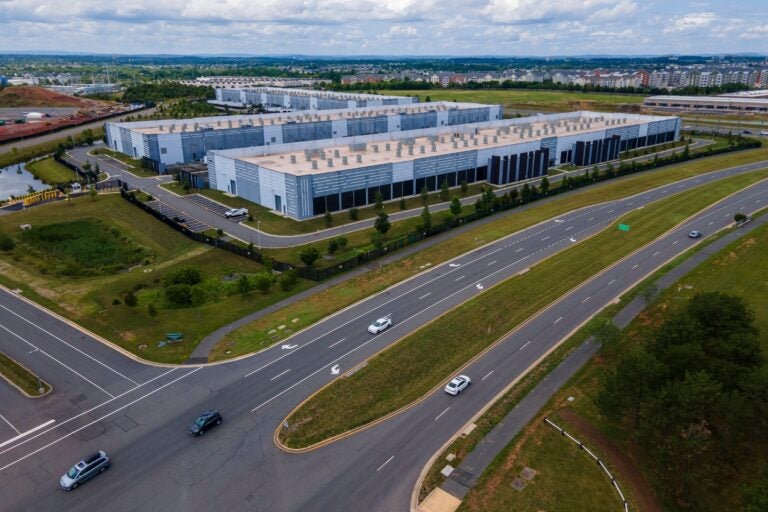
UPDATE: A proposed 1.2-gigawatt data center in Delaware City has just hit a significant roadblock. Environmental regulators from the Department of Natural Resources and Environmental Control (DNREC) announced that the project, dubbed “Project Washington,” is not permitted under Delaware’s Coastal Zone Act.
The decision, made public earlier today, has raised alarms among community members and lawmakers concerned about potential spikes in electricity bills and environmental degradation. DNREC highlighted that the facility’s proposed use of diesel generators would result in the largest nitrogen oxide emissions in the state, second only to the Delaware City refinery.
DNREC Secretary Greg Patterson described the planned 6 million-square-foot facility as “unprecedented,” noting that it would require 516 generators, well beyond the maximum of eight currently permitted in the coastal zone. The project’s design also includes a tank farm exceeding 5 acres, which DNREC stated fails to comply with state environmental regulations.
Environmental advocates hailed this decision as a “monumental win.”
“The Coastal Zone Act is a recognition that our coastal ecologies, and the tourism and benefits of resiliency that they provide to the state, is well worth protecting and preserving,”
said Dustyn Thompson, director of the Delaware chapter of the Sierra Club.
Despite this setback, representatives from Starwood Digital Ventures, the company behind Project Washington, remain optimistic. They assert that the data center will not only create hundreds of jobs but also generate substantial tax revenue. In a statement, a spokesperson said, “Project Washington is proud to have the support of the Delaware unions and trades, the business community, and hundreds of New Castle County residents.”
As the controversy unfolds, Starwood Digital Ventures could either appeal DNREC’s ruling or redesign the project to align with the Coastal Zone Act.
Residents have expressed ongoing concerns about the potential impact of this massive data center on the local power grid, fearing that it could strain resources and inflate electricity costs. Energy experts have projected that the facility could consume as much energy as 1 million homes. This concern is compounded by findings from the 2024 Department of Energy report, which estimates that data center load growth may triple over the next five years, affecting electricity rates across the region.
During the recent winter storm, the PJM Interconnection authorized backup generation at data centers, highlighting the growing strain on the power grid due to increasing data center demands. Environmentalists warn that reliance on diesel backup generators can exacerbate local air quality issues.
New Castle County Councilman Kevin Caneco declared DNREC’s decision a victory for his constituents, emphasizing that the proposed facility could significantly harm the environment and local communities. State Senator Stephanie Hansen echoed these sentiments, asserting that while the current proposal violates regulations, it should not signal the end of all future data center developments.
“We must find a balance between economic opportunity and energy affordability,” she noted, stressing the need for a thorough discussion about future projects.
As this situation develops, the community and stakeholders will be closely monitoring the next steps from both DNREC and Starwood Digital Ventures. The implications of this decision could set a precedent for how Delaware addresses the intersection of environmental regulation and technological advancement.
Stay tuned for further updates on this critical issue as it unfolds.











