









































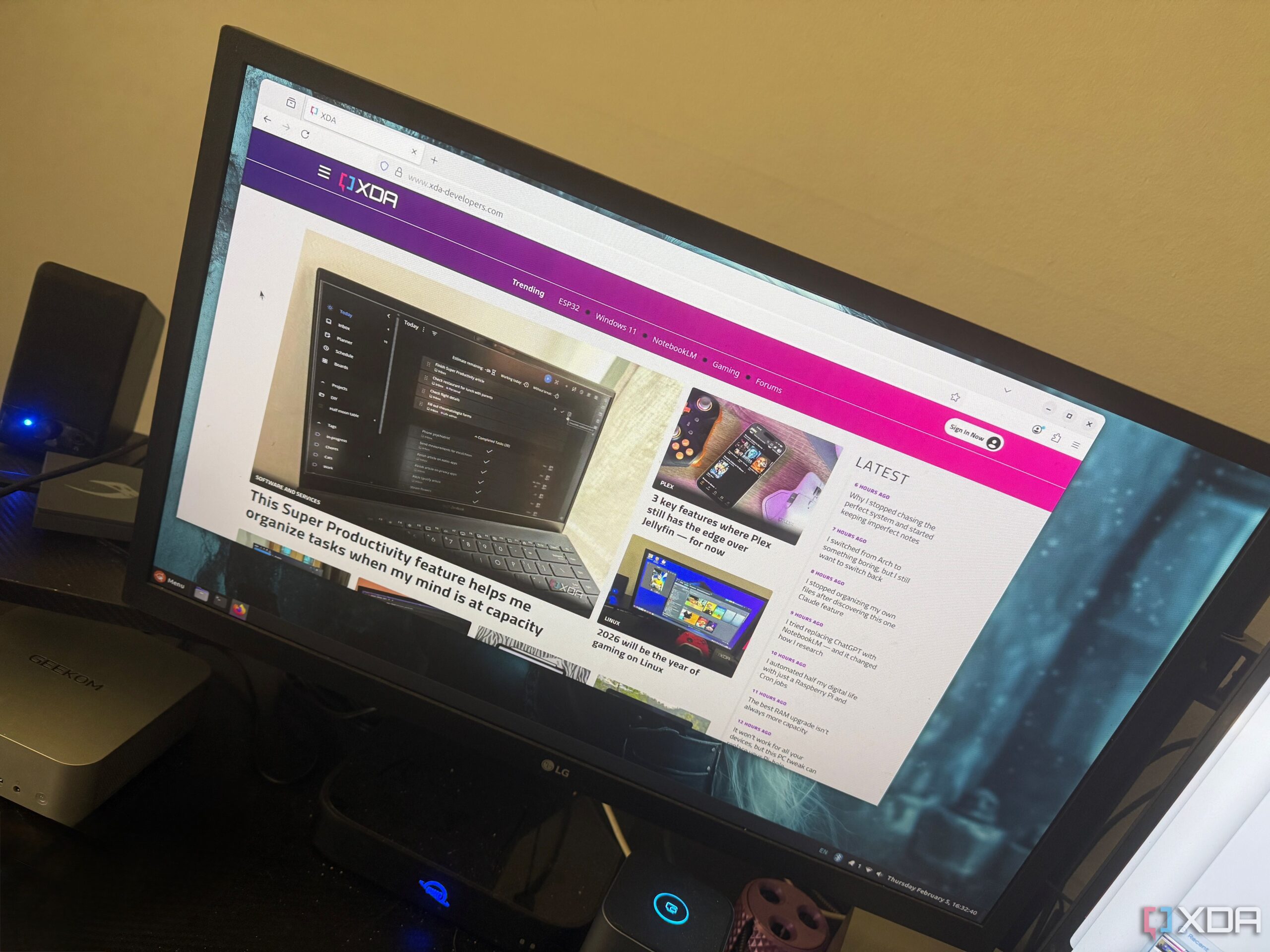
URGENT UPDATE: The landscape of Linux desktops is undergoing a radical transformation as **October 2023** reports reveal that many distributions are now prioritizing design like never before. Users can expect a more cohesive and aesthetically pleasing experience right from the first boot, a significant shift from the traditional approach of post-installation customization.
This change matters immensely to both new and seasoned users. As more Linux distros adopt a polished look, they signal a commitment to usability, making it easier for individuals to dive into their systems without the usual friction. This isn’t just about visual appeal; it’s about building trust and confidence in the user experience.
The move towards design consistency is reshaping how users select their Linux distribution. Many are now evaluating options based on how seamless the initial setup feels, akin to choosing a smartphone. Distros are increasingly treating the first boot as a critical product moment, with refined installers and intuitive workflows that guide users through setup. This is a dramatic evolution from earlier days when users faced a blank desktop and a daunting array of settings to configure.
Linux enthusiasts can thank improved underlying tools for this progress. Desktop environments like **GNOME** and **KDE Plasma** have matured significantly, establishing clearer design languages and reducing the discrepancies between applications. This means that the apps users install today are less likely to clash visually with updates that arrive tomorrow.
More importantly, distros are now curating their default app selections based on design coherence, ensuring that core applications align with the overall aesthetic and interaction patterns of the desktop. This thoughtful curation is evident as users report smoother, more stable experiences, enhancing productivity without the hassle of extensive post-installation tweaks.
However, challenges remain. Hardware support can still be hit or miss, and some workflows continue to rely on outdated utilities that disrupt the streamlined experience. Yet, the ongoing design competition among distros is raising the bar. Users are no longer settling for “good enough.” They are becoming vocal about their preferences, demanding systems that are not only visually appealing but functionally robust.
As distros compete to deliver polished experiences, the end result is a more user-friendly Linux environment that is easier to recommend. Gone are the days when potential users hesitated due to the perceived complexity of Linux. Now, many distributions can confidently say, “Install it and use it,” particularly for everyday tasks.
This shift in the Linux ecosystem is vital. It not only respects users’ time and attention but also balances power with simplicity. With an increasing focus on reducing daily frictions, users can spend less time negotiating the operating system and more time accomplishing their tasks.
As we move forward, the stakes are high. Developers are encouraged to push beyond mere aesthetics and strive for experiences that promote calmness, predictability, and integrity. The focus should be on minimizing those pesky “paper cut” moments that can frustrate users once they venture beyond the curated defaults.
In conclusion, the evolution of Linux distros in design is an exciting development for the tech community. By fostering an environment where design and usability go hand in hand, Linux is positioning itself as a more attractive option for potential users worldwide. As this trend continues, the future of Linux looks brighter than ever.
















