









































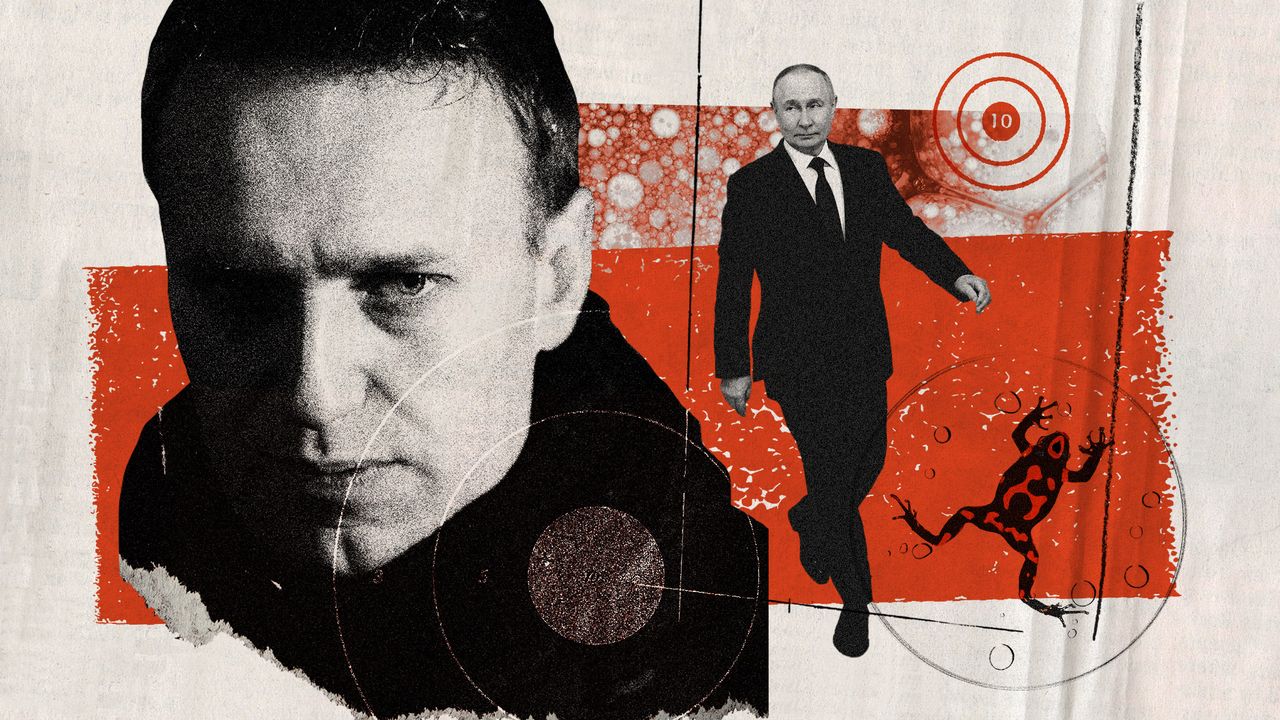
The Kremlin’s history of using poison as a tool against its critics has garnered international attention, particularly following the poisoning of opposition leader Alexei Navalny. This incident, which took place in August 2020, is part of a broader pattern in which Russian authorities have employed chemical agents to eliminate dissent, creating a chilling narrative of political repression.
The use of poison is not merely a tactic but has become a hallmark of Russian state actions. Experts describe this method as both “precise” and “deniable,” allowing the government to maintain plausible deniability while sending a clear message to potential adversaries. A notable example is the 2018 poisoning of former Russian spy Sergei Skripal in Salisbury, UK, which involved a nerve agent known as Novichok. The attack resulted in international condemnation and strained diplomatic relations.
Patterns of Political Assassination
The strategy of using poison reflects a calculated approach by the Kremlin to silence opposition. Following Navalny’s poisoning, numerous investigations revealed that the attack was carried out using a sophisticated nerve agent. This incident prompted swift reactions from global leaders, including then-UK Prime Minister Boris Johnson, who labeled the act as “barbaric.”
Navalny’s recovery in Germany and subsequent return to Russia in January 2021 led to his immediate arrest, further spotlighting the Kremlin’s ruthless tactics against dissent. His case underscores a dangerous trend where critics of the government face life-threatening consequences. As Navalny stated upon his return, “I have no fear. I will continue to fight.”
The Kremlin’s use of poison can be traced back decades, with a history of employing chemical agents against various dissidents. This tactic has evolved into a geopolitical signature flourish, marking Russia’s approach to both domestic and international opposition. The chilling effect of these actions serves not only to eliminate specific individuals but also to instill fear among potential critics.
International Reactions and Consequences
The global response to these incidents has varied, with some countries imposing sanctions on Russia in reaction to its aggressive tactics. The European Union and the United States have issued statements condemning the use of poison and have called for accountability. In October 2020, the EU announced a series of sanctions against individuals and entities involved in the Navalny poisoning, further isolating the Kremlin on the international stage.
Despite these measures, the Kremlin continues to deny involvement in such attacks, often labeling them as Western propaganda aimed at destabilizing Russia. The narrative put forth by Russian officials aims to redirect blame and create a counter-narrative that undermines international criticism.
As the world watches the unfolding situation, the implications of Russia’s actions extend beyond individual cases. The use of poison as a political weapon raises urgent questions about the safety of dissidents and the broader landscape of human rights in Russia. With every poisoning incident, the Kremlin sends a message: dissent comes at a cost.
The international community remains vigilant, recognizing the importance of addressing these aggressive tactics. The ongoing struggle for justice and accountability for victims like Navalny is essential in countering the Kremlin’s narrative and ensuring that the use of poison as a tool of repression does not go unchecked.
















