









































UPDATE: In a groundbreaking move, the NCAA has officially cleared James Nnaji for college basketball eligibility, allowing him to join Baylor just in time for their matchup against TCU this Saturday. This unprecedented decision marks Nnaji as the first former NBA draft pick to gain NCAA eligibility, igniting a firestorm of debate within the college basketball community.
Nnaji, who was selected as the 31st overall pick in the 2023 NBA Draft, never played in an official NBA game but participated in the Summer League. His journey took him through FC Barcelona for the past five years. Coaches across the nation are now questioning the implications of this ruling, fearing it could open the floodgates for a new wave of former pros entering college basketball midseason.
The NCAA’s decision hinges on eligibility criteria similar to that of other international players. Nnaji fits the profile: no prior college enrollment, no NBA game experience, and he remains within the five-year window from high school graduation. This precedent aligns with other international players such as Nastja Claessens and a host of others who have transitioned from European leagues to NCAA rosters.
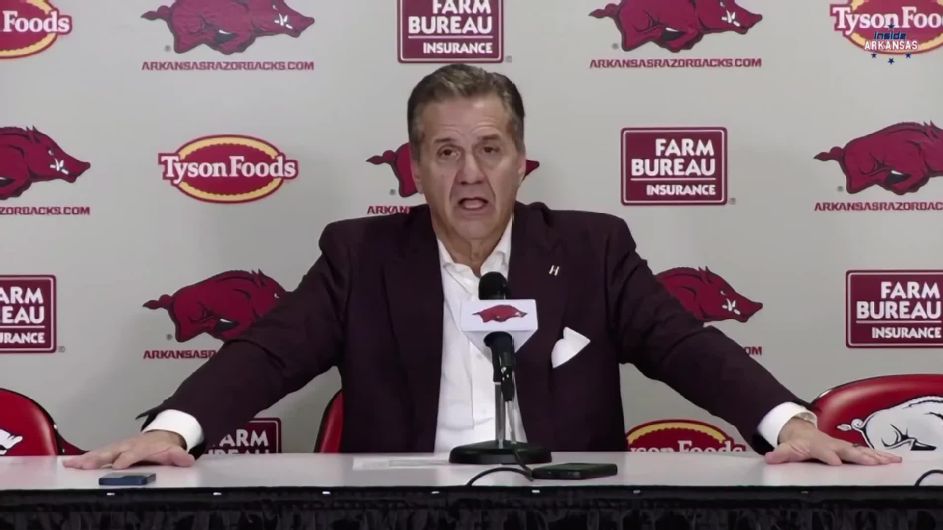
Coaches like John Calipari of Arkansas and Tom Izzo of Michigan State have publicly expressed their concerns. They fear that allowing players like Nnaji to join college teams midseason could lead to a chaotic reorganization of rosters just before critical conference play.
“Shame on the NCAA,”
Izzo remarked, highlighting the discontent among coaches regarding the blurred lines of eligibility.
While the NCAA maintains that their ruling is not a loophole but an application of existing guidelines, the prospect of a legal challenge looms. The organization has faced several court defeats over eligibility rules in the past, including the recent allowance of players to profit from their name, image, and likeness. With Trentyn Flowers, currently on a two-way contract with the Chicago Bulls, exploring college options, the stage is set for potential legal battles that could reshape the landscape of college sports.
The fallout from Nnaji’s eligibility extends beyond immediate gameplay. It raises questions about the financial appeal of college basketball compared to professional leagues. With top-tier collegiate programs now offering lucrative revenue-sharing packages and NIL deals, more players may opt for college over the G League or overseas leagues. The average G League salary stands at around $40,000, while EuroLeague players can earn between $500,000 to $800,000. In contrast, players at elite college programs can potentially earn even more through various deals.
As the situation unfolds, all eyes are on Baylor and Nnaji’s debut. Will this be a one-off case, or the beginning of a trend? Coaches and players alike are eagerly watching to see how the NCAA’s decision impacts future recruitment and eligibility rulings.
Next Steps: College basketball fans should prepare for an exciting season as Nnaji’s participation could redefine roster strategies and player recruitment across the nation. The NCAA’s ability to maintain its current eligibility standards will be tested, and the outcomes of any potential legal challenges could have lasting implications on college sports as we know them.
Stay tuned for ongoing updates as this situation continues to develop and reshape the landscape of college basketball.
















