


























UPDATE: Tensions escalated at the U.N. Security Council on December 19, 2023, as Iran and the United States publicly reaffirmed their commitment to diplomacy, despite significant divides over a critical nuclear deal. The meeting highlighted the urgent need for dialogue, but both sides remain entrenched in their positions, casting doubt on future negotiations.
During the contentious session, Iran’s U.N. Ambassador Amir Saeid Iravani emphasized that Iran is “fully committed to principled diplomacy and genuine negotiations.” However, he warned that the U.S. and its Western allies, specifically France and Britain, must take concrete steps to restore trust. The remarks come as Iran has ramped up uranium production, now exceeding 440 kilograms enriched to 60%, dangerously close to weapons-grade levels.
This latest round of discussions follows the cancellation of the sixth round of negotiations, initially set to occur shortly after Israel’s military actions against Iranian nuclear sites in June. The Trump administration has firmly stated that no nuclear enrichment can occur within Iran, a stipulation that Ambassador Iravani condemned as contrary to Iran’s rights under the 2015 nuclear deal.
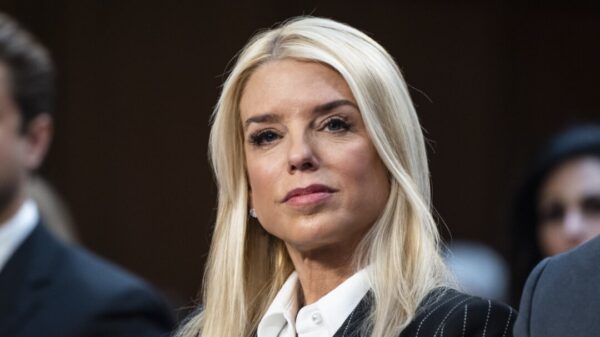
In an intense exchange, U.S. Mission counselor Morgan Ortagus called for direct and meaningful dialogue, urging Iran to “step away from the fire” and accept the extended hand of diplomacy. “Instead of taking that hand of diplomacy, you continue to put your hand in the fire,” she stated, directly addressing Iravani.
Iran’s leadership has taken a hard stance, with Supreme Leader Ayatollah Ali Khamenei rejecting any direct negotiations with the U.S. in September. Iravani asserted that if Western powers persist in siding with the U.S., “diplomacy will be effectively destroyed.” He maintained that Iran would not succumb to pressure or intimidation.
The backdrop of this diplomatic standoff includes the re-imposition of sanctions by the three Western powers—Britain, France, and Germany—who triggered a “snapback” mechanism in response to Iran’s non-compliance with the nuclear deal. The International Atomic Energy Agency has reported Iran’s nuclear advancements as increasingly alarming, raising concerns about regional stability.
The urgency of the situation cannot be understated, as both nations face mounting pressure from their respective governments and the international community. France’s deputy U.N. ambassador, Jay Dharmadhikari, defended the sanctions but stressed that they do not signify the end of diplomatic efforts. Meanwhile, Russia’s U.N. Ambassador Vassily Nebenzia criticized the West’s failure in past negotiations, underscoring the need for renewed and effective dialogue.
As developments unfold, the world watches closely. The stakes are high, and the implications of these discussions extend far beyond diplomatic posturing, impacting global security and stability. The urgency for a resolution is palpable, and all eyes will be on both nations as they navigate this complex geopolitical landscape.