









































On March 31, 2024, Iran launched missile strikes targeting Israel and various Gulf Arab states, escalating tensions in the region following the killing of Supreme Leader Ayatollah Ali Khamenei by a joint U.S.-Israeli airstrike. This operation, conducted at Khamenei’s office in Tehran, has prompted severe retaliation threats from the Iranian government and heightened military alerts across the Middle East.
Iran officially confirmed Khamenei’s death, describing it as a significant loss for the nation. State media emphasized his long-standing commitment to confronting what they termed “global arrogance.” In a related statement, U.S. President Donald Trump characterized Khamenei as “one of the most evil people in history,” suggesting that his removal offers Iranians a chance to reclaim their country. Trump further warned Iran against further escalation, stating, “If they do, we will hit them with a force that has never been seen before.”
In response to the airstrikes, Iran’s Cabinet pledged that this “great crime will never go unanswered.” The Revolutionary Guard announced plans for their “most intense offensive operation,” targeting Israeli and American military installations in the region. Iranian parliamentary speaker Mohammad Bagher Qalibaf warned, “You have crossed our red line and must pay the price.”
The missile attacks began shortly after the initial strikes, with Iran reportedly firing dozens of missiles and drones at Israel, as well as U.S. military bases in Bahrain, Kuwait, and Qatar. The Israeli military confirmed intercepting many of the incoming missiles, but reports indicated at least one fatality in the Tel Aviv area due to the attacks.
The fallout from the strikes impacted air travel across the Middle East, with disruptions reported. In Dubai, air defense systems engaged in response to incoming threats, while debris from interceptions caused damage, including a fire at the iconic Burj Al Arab hotel. State media later reported that shrapnel from an Iranian missile attack in the UAE resulted in one confirmed death.
These developments mark a significant escalation in U.S. intervention in Iran’s affairs, with implications for regional stability. The operation comes less than a year after President Trump initiated airstrikes targeting Iran’s nuclear capabilities. The airstrikes on March 30 were reportedly planned for several months, coinciding with the Muslim holy month of Ramadan.
The U.S. military reported no casualties among its personnel, despite hundreds of Iranian missile and drone attacks. Targets in the strikes included Revolutionary Guard command facilities and missile launch sites. An Iranian diplomat later claimed that the attacks resulted in hundreds of civilian casualties.
After the airstrikes, Iran’s government quickly established a council to oversee the country until a new supreme leader is appointed. Meanwhile, state media reported the deaths of several key figures in Khamenei’s inner circle, including the head of the Revolutionary Guard and a senior security adviser.
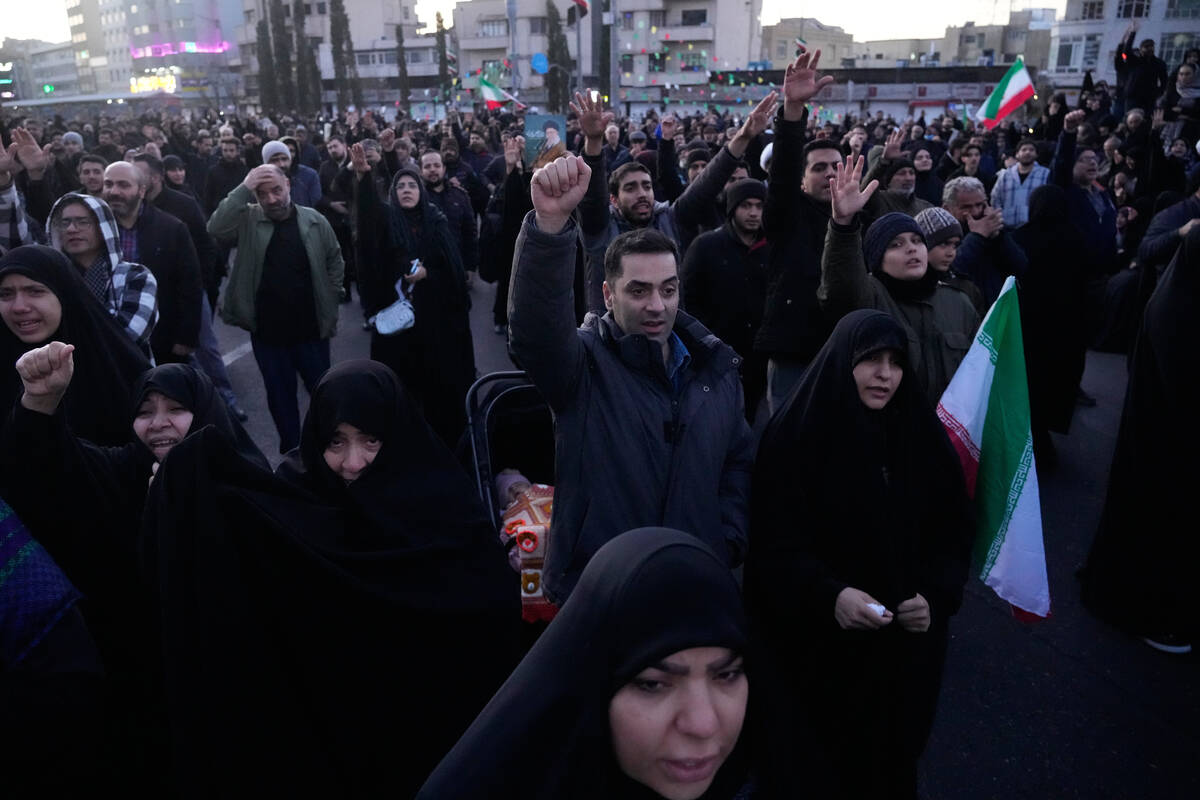
As news of Khamenei’s death spread, reactions in Iran varied. Eyewitnesses reported celebratory scenes in some neighborhoods, while mourners raised black flags at significant religious sites. The government has declared a 40-day mourning period and a week-long national holiday to honor Khamenei.
The missile strikes by Iran could have far-reaching implications, particularly for global oil markets, as a significant portion of the world’s oil passes through the Strait of Hormuz. There are growing concerns that further escalation could destabilize the region and complicate the already tense U.S.-Iran relations.
In the wake of these events, the international community remains on high alert, closely monitoring developments as both Iran and the U.S. prepare for potential further escalations in this volatile situation.
















