









































The energy landscape is undergoing a significant transformation as homeowners increasingly turn to battery storage systems amid evolving net metering regulations and rising electricity prices. The changes to net metering, particularly in California with the introduction of the new California Net Energy Metering 3.0 (NEM3.0), have diminished the financial benefits of exporting excess solar power back to the grid. As a result, homeowners are now prioritizing the storage of solar-generated energy for personal use.
For over a decade, net metering has facilitated the adoption of rooftop solar panels by allowing consumers to sell back surplus electricity. However, with energy prices escalating, the traditional model of sending excess power to the grid has become less appealing. Instead, many homeowners are opting to store excess energy in batteries to use during peak demand periods when electricity is most expensive.
Batteries are increasingly viewed as tools for energy arbitrage, allowing users to charge them when electricity is cheap and discharge when rates are high. This capability not only enhances energy savings but also reduces reliance on costly peaker plants. As homeowners seek more efficient energy solutions, the trend is shifting towards systems that incorporate both solar panels and battery storage, often alongside electric vehicles (EVs).
The Shift Towards Comprehensive Home Energy Solutions
An emerging trend in the home energy market is the integration of various technologies into a cohesive energy system. Tracy Price, founder and former CEO of EV charging installation company Qmerit, emphasized the current inflection point in the industry. “America has arrived at an inflection point in which the technical, policy, and financial pieces are finally in place for whole-home electrification,” he stated.
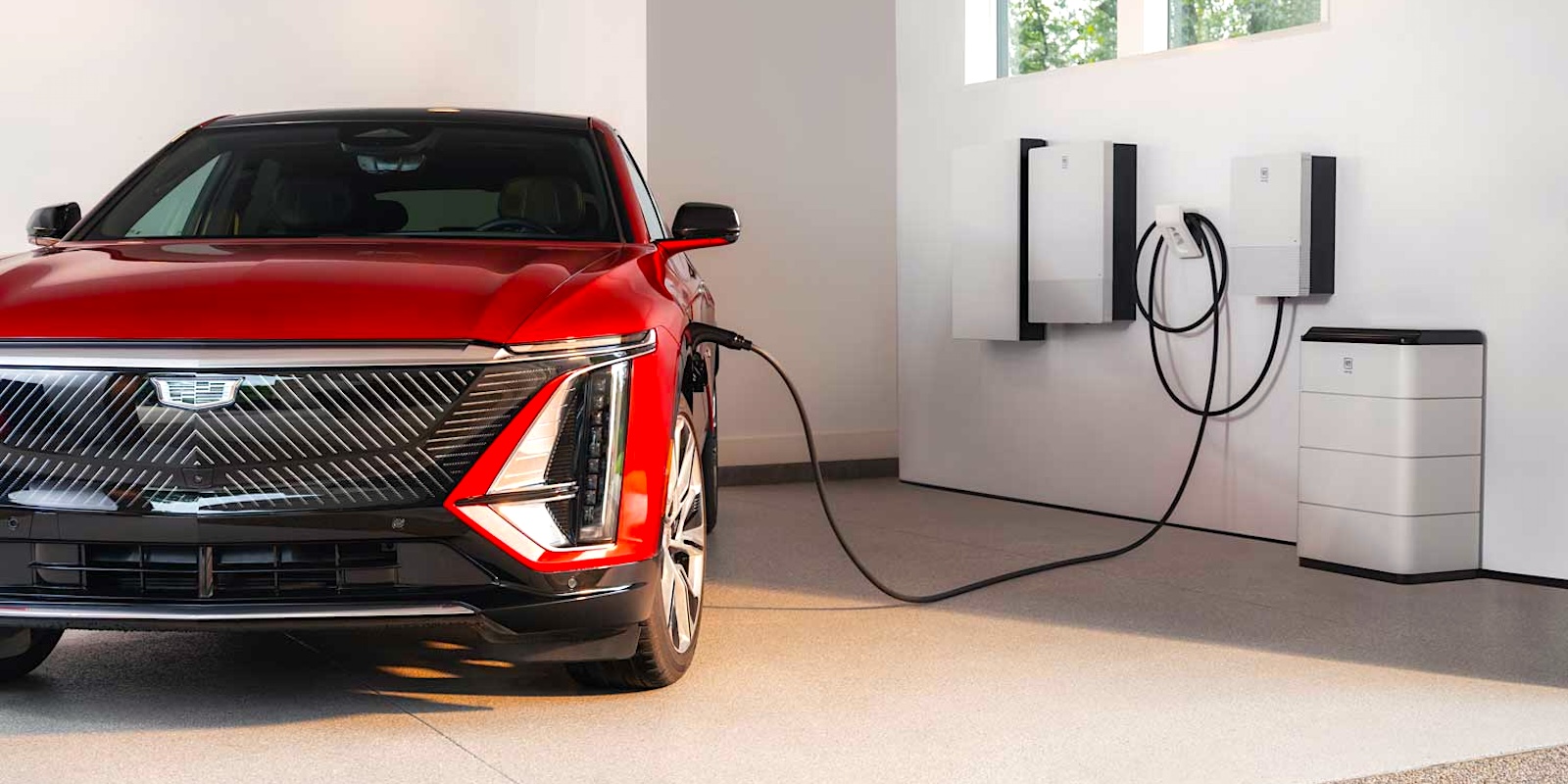
Innovative platforms like the Tesla Powerwall and GM Energy’s V2H Bundle are at the forefront of this movement, designed to harmonize solar panels, home batteries, and EVs into a unified energy solution. These systems operate less like traditional rooftop generators and more like miniature grids, optimizing energy storage, usage, and export based on real-time conditions.
The increasing costs of electricity and the need for greater grid reliability are driving demand for these integrated systems. Consumers are beginning to view their homes as energy hubs capable of generating, storing, and utilizing energy more efficiently. This shift holds the potential not only to lower energy bills but also to contribute to a more sustainable energy future.
Exploring Your Options
As homeowners consider these new energy solutions, it is crucial to conduct thorough research. Obtaining multiple independent quotes and consulting with trusted financial advisors can facilitate informed decisions regarding solar and battery installations.
To streamline the process, platforms like EnergySage offer free services that connect consumers with pre-vetted solar installers. This competitive environment ensures homeowners receive high-quality solutions while potentially saving 20-30% compared to going without assistance. Furthermore, EnergySage provides unbiased advice and personalized quotes, making the transition to solar energy more accessible.
With the landscape of home energy evolving rapidly, homeowners are encouraged to explore the potential benefits of incorporating battery storage into their energy systems. As technology advances and regulatory changes take shape, the possibilities for optimizing energy consumption continue to expand, presenting both challenges and opportunities in the quest for sustainable energy solutions.
















