































BREAKING: A new report reveals that Hollywood is moving swiftly to secure a major merger as producers greenlight Rush Hour 4, a project aimed at gaining favor with President Donald Trump. This development has significant implications for the entertainment industry and the anticipated merger between Paramount Skydance and Warner Bros. Discovery.
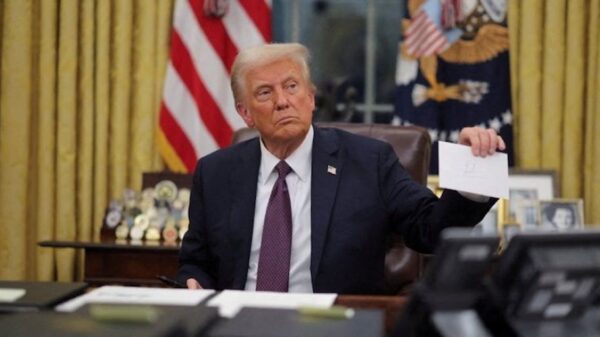
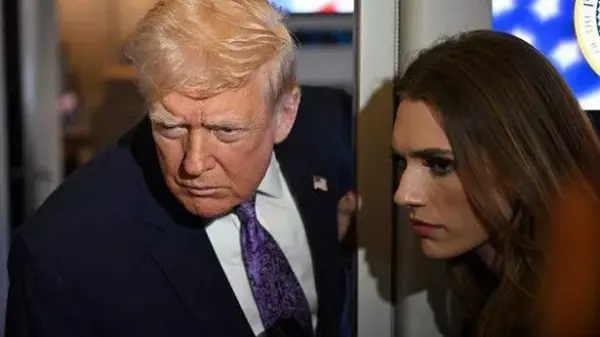
Officials at Paramount have reportedly confirmed the project, which is being positioned as a nostalgic callback to the buddy cop genre beloved by Trump. Earlier this year, the president expressed his desire for a fourth installment in the Rush Hour franchise, which originally starred Jackie Chan and Chris Tucker. While the film could be a financial risk, analysts suggest that it serves a larger strategy, as detailed by Catherine Rampell in The Bulwark.
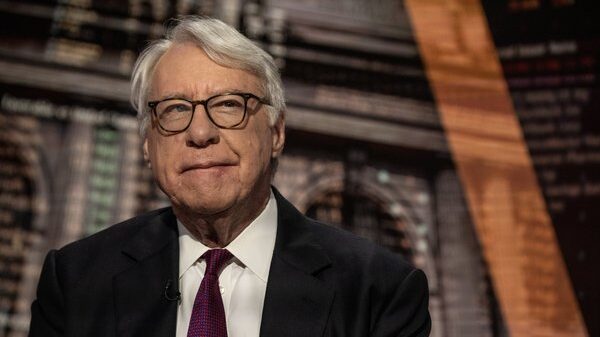
Rampell notes that this merger, valued at approximately $75 billion, could face substantial antitrust challenges, considering the companies together control a third of the North American box office. However, the current administration has shown a willingness to sidestep regulatory scrutiny for its allies. She stated, “Ponying up the cash for a potential box-office dud will, if nothing else, further ingratiate Paramount to Trump.”
This precarious balancing act raises questions about Hollywood’s alignment with political interests. Rampell emphasizes that the potential cost of Rush Hour 4, estimated in the hundreds of millions, pales in comparison to the financial stakes of the merger. “Even if it ends up being a box-office flop, Rush Hour 4 would still be a bargain—because producing this movie is a cheap way to extract something much, much more valuable from the president,” she asserted.
Moreover, the film marks the return of director Brett Ratner, who has remained out of the spotlight since allegations of sexual assault surfaced in 2017. His involvement adds another layer of complexity to the film’s production and the public’s reaction to it. Rampell’s commentary reflects a growing sentiment around the intertwining of Hollywood and political maneuvering, saying, “The resurrection of a sex pest, otherwise banished from polite society.”
As the news unfolds, industry insiders are closely monitoring the implications of this merger and how it may reshape the landscape of film production in the U.S. The move to greenlight a sequel to a franchise that many view as outdated raises both eyebrows and concerns about the direction of Hollywood’s leadership.
What happens next remains to be seen, but the pressure is on for both Paramount and Warner Bros. to navigate this politically charged environment. Will Rush Hour 4 pave the way for a successful merger, or will it become a cautionary tale in the world of entertainment?
Stay tuned for more updates as this story develops.