









































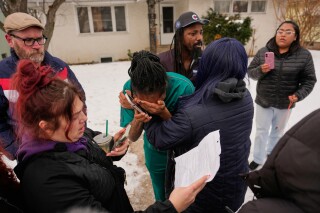
UPDATE: A federal judge in Minnesota has ordered the release of Garrison Gibson, a Liberian man arrested by immigration agents in a raid just four days prior. The ruling, issued by U.S. District Judge Jeffrey Bryan, underscores a serious violation of Gibson’s Fourth Amendment rights, as agents forcibly entered his home without a warrant.
The dramatic raid took place in Minneapolis and involved heavily armed immigration officers who used a battering ram to break into Gibson’s residence. Judge Bryan stated that the agents acted unlawfully, confirming that they did not have Gibson’s consent or a judicial warrant. “To arrest him, Respondents forcibly entered Garrison G.’s home without his consent and without a judicial warrant,” Bryan emphasized.
This case comes amid a significant surge in immigration enforcement operations across Minnesota. The Department of Homeland Security (DHS) has ramped up arrests, claiming over 2,500 people have been apprehended since November 29, 2023. Marc Prokosch, Gibson’s attorney, expressed his relief at the ruling, stating he was “thrilled” and described the arrest as a “blatant constitutional violation” due to the absence of a proper warrant.
Gibson’s wife and their 9-year-old child were at home during the raid, with Prokosch reporting that she was left deeply shaken by the incident. Gibson, aged 37, had been held at an immigration detention center in Albert Lea after previously being detained at a large camp on the Fort Bliss Army Base in El Paso, Texas.
DHS has not yet responded to requests for comment regarding the judge’s order or further inquiries about Gibson’s situation. The agency had previously characterized Gibson as having a “lengthy rap sheet,” including charges related to robbery and drug possession. However, court records reveal that the only felony conviction in Gibson’s legal history dates back to 2008, which has since been dismissed.
In recent weeks, the Twin Cities have been engulfed in fear and anger due to escalating immigration enforcement actions, particularly following the shooting death of Renee Good during a confrontation with agents on January 7. The tension has been further exacerbated by another incident where an immigration officer shot and wounded a man who allegedly attacked them with a shovel and broom handle.
Gibson’s case highlights critical issues surrounding immigration enforcement and civil rights, raising questions about the legality of such operations. Judge Bryan pointed out that since Gibson had been released under an order of supervision, officials failed to provide adequate notice regarding any revocation of that status.
As this situation develops, advocates for immigrant rights are urging for a review of current enforcement policies and practices, particularly in light of the emotional toll on families caught in these aggressive raids. The implications of this ruling could resonate beyond Gibson’s case, impacting how immigration enforcement is conducted in the region moving forward.
For those closely following immigration issues, this ruling serves as a pivotal moment in the ongoing discourse surrounding civil rights and enforcement tactics. Expect further updates as authorities respond and the situation unfolds.
















