


































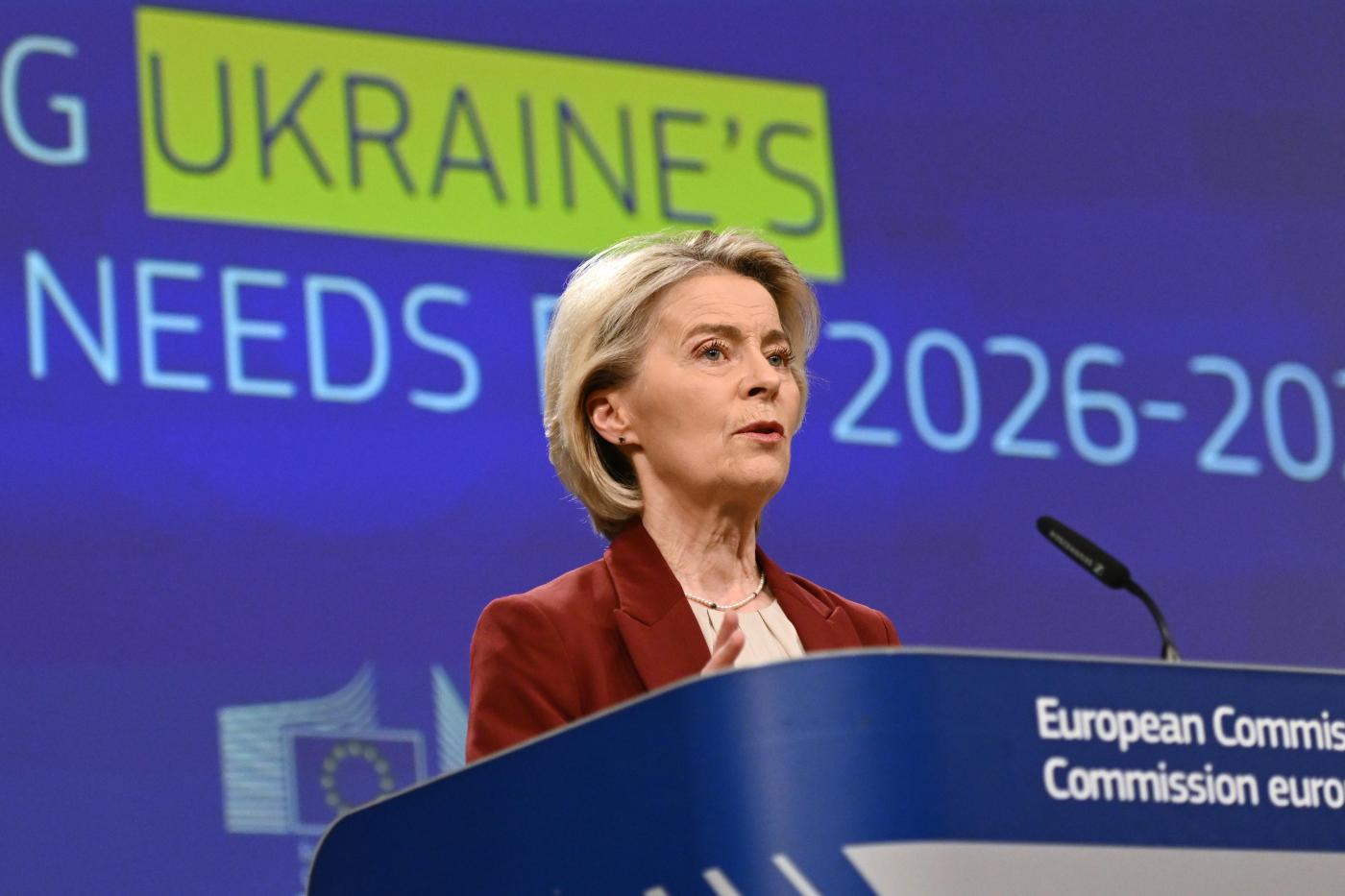
BREAKING: The European Union has indefinitely frozen Russian assets in Europe, a decisive move aimed at preventing Hungary and Slovakia from blocking the use of billions to support Ukraine. This urgent measure was confirmed on December 15, 2025, by EU Council President António Costa.
This critical action comes as EU leaders prepare to discuss how to allocate €210 billion ($247 billion) in Russian Central Bank assets at a summit scheduled for December 18. The funds are essential for meeting Ukraine’s financial and military needs over the next two years amid the ongoing conflict.
Utilizing a special procedure for economic emergencies, the EU has ensured that these assets remain frozen until Russia ceases its military aggression against Ukraine and compensates for the extensive damage inflicted over the past four years. Costa emphasized, “Today we delivered on that commitment.”
The freezing of assets, which primarily resides in Euroclear, a Belgian financial clearing house, aims to prevent Hungary and Slovakia from leveraging their political ties to Russia to block financial support for Ukraine. This decision also stops these funds from being used in any negotiations to end the conflict without European oversight.
Despite this, Hungarian Prime Minister Viktor Orbán, a known ally of Russian President Vladimir Putin, criticized the EU’s actions, claiming that they undermine European law and stating that Hungary will fight to restore lawful governance. In a social media post, he remarked, “The rule of law in the European Union comes to an end.”
Slovak Prime Minister Robert Fico echoed Orbán’s sentiments, warning that the use of these frozen assets could jeopardize U.S. peace efforts and stating his refusal to support funding Ukraine’s military expenses in the coming years.
The EU’s decision is framed within the context of rising energy prices and economic repercussions felt across Europe due to the war. Since the conflict began on February 24, 2022, the EU has already provided nearly €200 billion ($235 billion) in support to Ukraine.
As the EU navigates this complex situation, the next steps will be crucial. Leaders are expected to finalize strategies to secure Ukraine’s financial stability for 2026–2027, with a focus on maximizing the potential of the frozen assets.
Meanwhile, the Russian Central Bank announced it has initiated legal proceedings against Euroclear, claiming damages resulting from its exclusion from managing these assets. The bank has deemed the EU’s plans for using these funds as “illegal” and a violation of international law.
The unfolding situation emphasizes the ongoing geopolitical tensions and the EU’s commitment to supporting Ukraine in its struggle against Russian aggression. Stay tuned for more updates as this story develops.