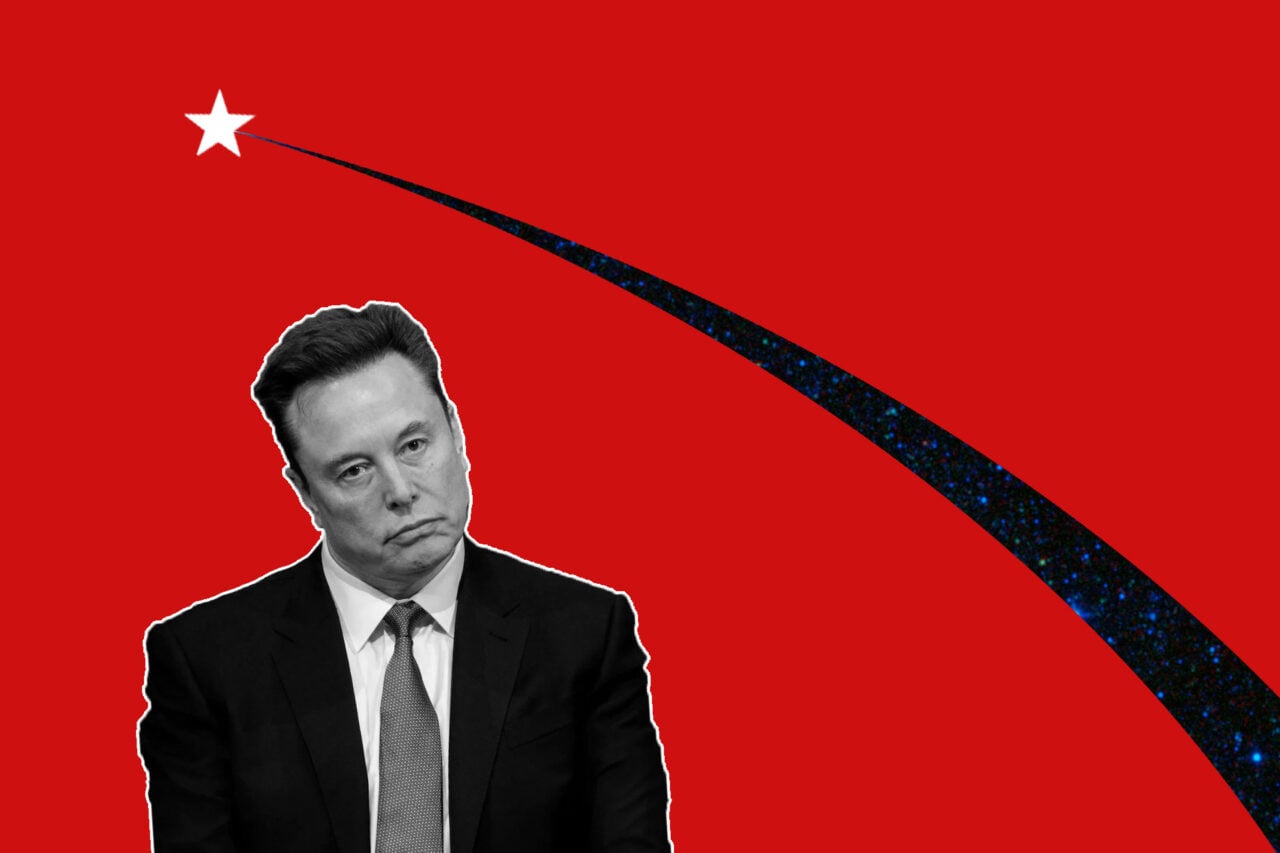
UPDATE: Elon Musk has just revealed a radical shift in Tesla’s mission statement, emphasizing a vision of “amazing abundance” rather than the previously stated “sustainable abundance.” This announcement, made during a call with investors last month, highlights Musk’s evolving outlook on technology, artificial intelligence, and humanity’s future.
Musk, now focusing on a future of “universal high income,” believes that advancements in AI and robotics will lead to unprecedented wealth and opportunities for all. “We’re most likely headed to an exciting, amazing era of abundance,” Musk stated, calling this shift a message of optimism about the future of humanity.
The change from Tesla’s former mission—first articulated in 2019 as accelerating the world’s transition to sustainable energy—marks a significant pivot. Musk now positions Tesla not just as a car company but as a technology and robotics leader, aiming to produce 1 million Optimus robots per year. This move reflects Musk’s ambition to redefine Tesla’s role in the broader context of technology and energy.
In a recent podcast appearance on Cheeky Pint, Musk elaborated on his vision for AI and humanity. He acknowledged that as AI continues to evolve, it will surpass human intelligence, potentially reducing human contributions to less than 1% of total intelligence. Musk stated, “I’m very pro-human… But if current trends continue, human intelligence will be a very tiny percentage of all intelligence in the future.”
This raises urgent concerns about the implications for humanity. Musk hinted that while he hopes humans will remain part of this future, he did not guarantee their central role. “As long as there’s intelligence, ideally, also, which includes human intelligence… that’s a good thing,” he noted, leaving many to ponder the meaning of “ideally.”
The billionaire’s focus on AI and robotics raises questions about SpaceX’s goals as well. Musk recently announced a shift towards building a self-sustaining city on the Moon, prioritizing this over Mars missions. He stated, “The mission of SpaceX remains the same: extend consciousness and life as we know it to the stars,” but added that the Moon is a more immediate goal.
Critics argue that Musk’s relentless pursuit of innovation often serves his financial interests more than those of humanity. As the wealthiest person in the world, with a net worth of approximately $850 billion, his strategies appear designed to bolster Tesla’s stock price amid slowing electric vehicle sales.
Moreover, as Musk merges his companies xAI and SpaceX, he aims to capitalize on the anticipated growth of AI in space. “My prediction is that it will soon be cheaper to build artificial intelligence and orbital data centers in space,” he claimed, projecting this shift within 36 months.
With Tesla’s evolving mission and Musk’s ambitious plans for AI, space, and robotics, stakeholders are left wondering about the real motivations behind these changes. Are they part of a grand vision for a better future, or merely strategies to maintain his wealth and influence?
As developments unfold, the implications of Musk’s statements on humanity, technology, and the economy are undeniable. This news is not just about a shift in corporate messaging; it raises critical questions about the future of work, the role of humans in an AI-driven world, and the direction of technological progress.
Stay tuned for more updates on Elon Musk’s vision for Tesla and the far-reaching impact it could have on our lives.