


































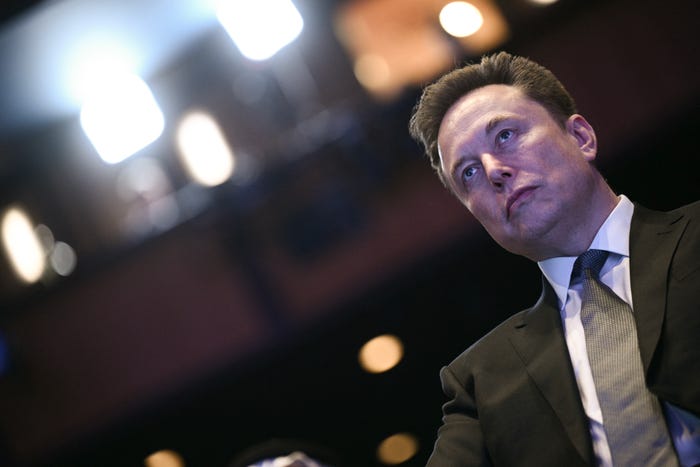
BREAKING: Elon Musk has just announced that artificial intelligence (AI) and robotics are the key solutions to the United States’ escalating debt crisis. In a gripping conversation with investor and podcaster Nikhil Kamath, published November 26, 2023, Musk asserted that innovations in AI could dramatically boost productivity, ultimately leading to a significant reduction in national debt within the next three years.
Musk’s bold prediction comes as the national debt has surged to a staggering $38.34 trillion, more than double its value a decade ago. He stated, “That’s pretty much the only thing that’s going to solve for the US debt crisis,” emphasizing that AI-driven productivity could lead to significant deflation.
According to Musk, advancements in AI and robotics will create a scenario where working becomes optional within the next two decades, paving the way for what he describes as “universal high income.” This concept suggests that an abundance of goods and services will allow individuals to meet their basic needs without the necessity of employment.
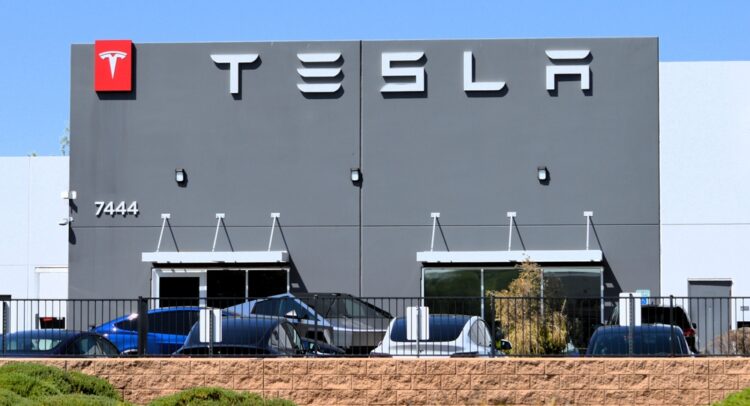
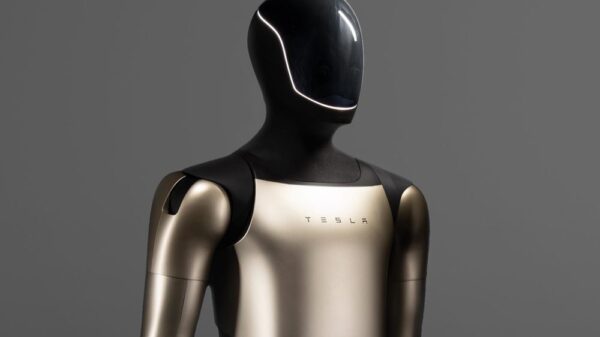
At a recent Tesla shareholder event, Musk elaborated on his vision, claiming that the company’s Optimus robot could eliminate poverty by rendering human labor unnecessary. He stated, “People often talk about eliminating poverty, giving everyone amazing medical care. There’s actually only one way to do that, and that’s with the Optimus robot.”
While Musk’s optimism highlights the transformative potential of AI, concerns about its societal impacts remain. Tech leaders like Sundar Pichai, CEO of Google, caution that while AI may usher in “extraordinary benefits,” it will also lead to “societal disruptions.” Pichai noted, “It will create new opportunities… and then there will be areas where it will impact some jobs.”
Investor Vinod Khosla has echoed these sentiments, projecting that AI could eventually handle up to 80% of the work across various jobs. Khosla warned that to mitigate rising inequality, governments must consider implementing universal basic income solutions.
However, not all experts share Musk’s enthusiasm. Geoffrey Hinton, often referred to as the “godfather of AI,” expressed concerns about wealth concentration, stating that while AI could generate a “huge rise in profits,” most of that wealth may benefit a select few, leaving many at risk of unemployment. Hinton stated, “It will make a few people much richer and most people poorer.”
As the conversation around AI and its potential impacts continues to evolve, Musk’s assertions present a compelling yet contentious view of the future economy. With debt levels soaring and technological advancements accelerating, stakeholders across various sectors will need to monitor developments closely.
For now, all eyes are on Musk and his ambitious timeline: can AI truly reshape the landscape of American economics in just three years? Stay tuned for updates as this story develops.