




































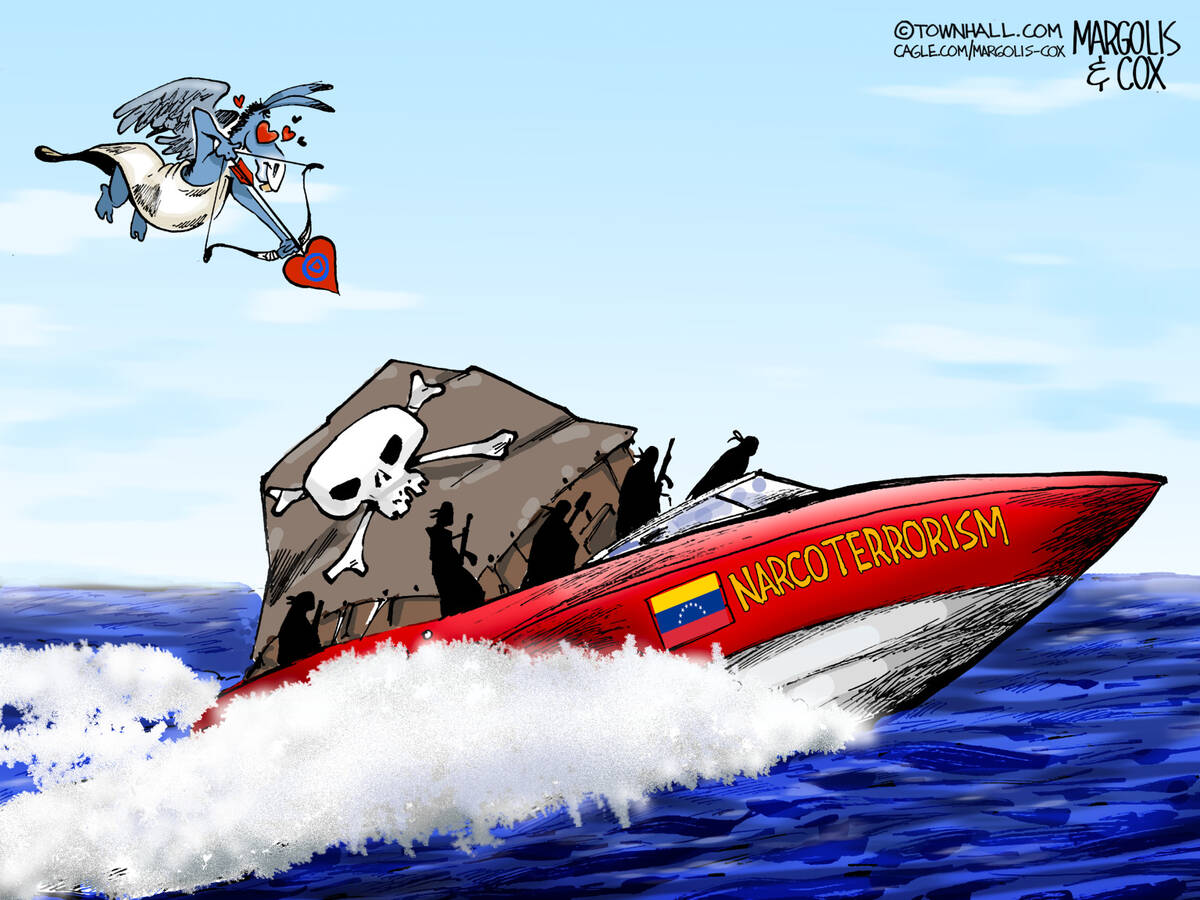
Recent editorial cartoons from various regions, including the United States and beyond, reveal a striking commentary on the state of education reform. These illustrations highlight the ongoing challenges and perceived stagnation in educational systems, capturing the essence of a debate that spans decades.
The cartoons, showcased in prominent publications, depict the irony that while schools evolve in terms of technology and curriculum, many underlying issues remain unchanged. This phenomenon suggests that despite efforts to innovate, the core problems affecting students and educators continue to persist.
Visual Commentary on Education Challenges
In the U.S., editorial cartoons have emerged as powerful tools for critique, reflecting concerns over standardized testing, funding disparities, and teacher burnout. Figures such as Dr. Linda Darling-Hammond, a leading education researcher, emphasize that these issues hinder effective learning environments. According to her, “The focus on testing has overshadowed the need for holistic education.”
Across the globe, similar themes appear in editorial cartoons from countries like the United Kingdom and Australia, where the debate over educational quality persists. In the UK, cartoonists illustrate the tension between governmental policies and the realities faced by educators. For instance, the National Education Union has reported that many teachers feel overwhelmed by bureaucracy, which detracts from their ability to engage with students.
These illustrations serve not only as commentary but also as a call to action, urging policymakers to reconsider their approaches to education reform. The recurring motifs in these cartoons reflect a shared sentiment: that significant changes in educational systems require more than just policy adjustments; they demand a fundamental rethinking of educational values.
The Global Perspective on Stagnation
This phenomenon is not confined to a single nation. Countries around the world grapple with similar issues, as highlighted in editorial cartoons from various international sources. For example, cartoons from South Africa depict the struggle for equitable access to quality education. The South African Human Rights Commission has noted that disparities in educational resources continue to affect marginalized communities.
The consistent portrayal of these challenges in editorial cartoons underscores a universal truth: education systems must adapt to the needs of their students while addressing systemic flaws. As the world evolves, so too must the strategies for teaching and learning.
As we look ahead to May 2024, it is clear that the conversation surrounding education reform is far from over. The power of editorial cartoons lies in their ability to distill complex issues into relatable visuals, encouraging public discourse and prompting action. By engaging audiences with humor and critical insights, these illustrations play a vital role in shaping the narrative around education reform globally.
Ultimately, the enduring impact of these cartoons serves as a reminder that while schools may change, the fundamental issues within educational systems often remain the same. The challenge for educators, policymakers, and society at large is to ensure that the progress made leads to meaningful improvements for future generations.