









































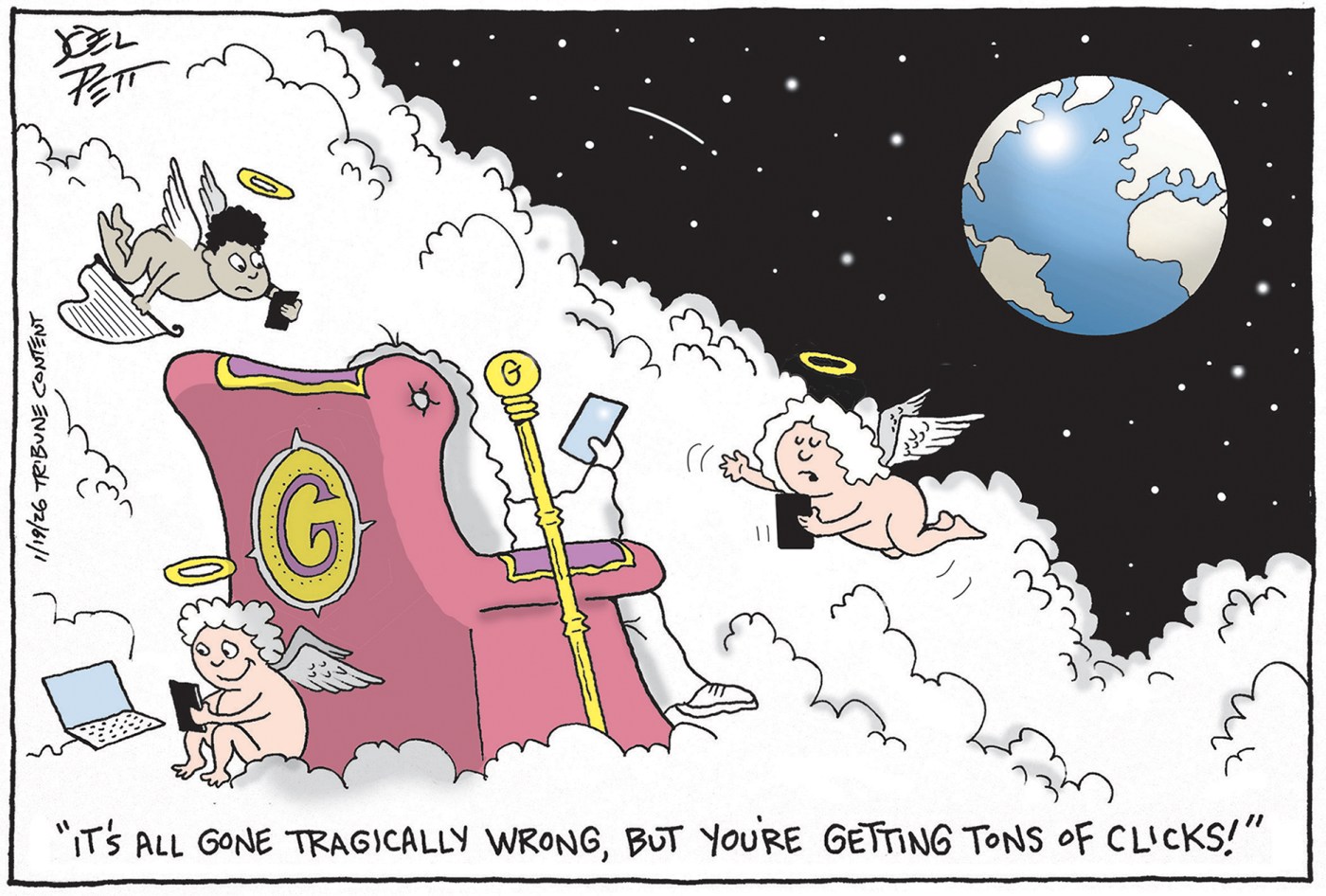
The phenomenon of apocalyptic content has surged in popularity across digital media platforms, captivating global audiences and driving significant engagement. Editorial cartoons, often featuring exaggerated scenarios of societal collapse, have become particularly adept at attracting clicks and shares. This trend highlights a growing intersection between fear-driven narratives and the mechanics of online engagement.
Understanding the Appeal of Apocalyptic Themes
In recent months, editorial cartoonists have exploited the public’s fascination with end-of-world scenarios. By presenting satire on current events through the lens of impending doom, these artists tap into widespread anxieties regarding climate change, political instability, and economic uncertainty. The use of humor juxtaposed with dire themes not only entertains but also resonates with viewers, prompting them to share content widely on social media.
According to a August 2023 report by the Digital Media Research Institute, articles and cartoons centered around apocalyptic themes have seen a remarkable increase in engagement metrics. The report indicates that such content can generate up to 300% more shares compared to standard news articles. This reveals a strategic shift as media outlets prioritize sensationalism to capture attention in an increasingly crowded digital landscape.
The Role of Clickbait in Modern Journalism
The rise of clickbait tactics has transformed how news is consumed. With audiences inundated with information, headlines promising sensational or alarming content are more likely to draw clicks. Editorial cartoons, with their quick visual impact and satirical edge, fit perfectly into this model. As readers seek immediate gratification from their media consumption, the combination of humor and fear effectively meets this demand.
Critics argue that the heavy reliance on clickbait undermines journalistic integrity. However, supporters believe it reflects a necessary adaptation to the realities of digital engagement. The key challenge lies in balancing compelling storytelling with responsible reporting.
Despite the controversial nature of clickbait, it is clear that the approach significantly influences public discourse. As more editorial content embraces apocalyptic themes, the implications extend beyond mere entertainment. They shape how society perceives pressing global issues, often amplifying fears while simultaneously fostering a sense of community among those who share similar concerns.
The trend towards sensationalism is not likely to wane soon. As digital media continues to evolve, the strategies that capture audience attention will remain at the forefront of content creation. Whether this approach ultimately serves the public good or distorts reality is a question that continues to spark debate among media professionals and audiences alike.
In conclusion, the interplay between editorial cartoons and apocalyptic narratives underscores a critical moment in digital media. As engagement metrics drive content strategies, understanding the implications of this trend will be essential for both consumers and creators in navigating the complexities of modern journalism.
















