









































As 2025 draws to a close, the craft beer industry is grappling with significant challenges, marking a notable shift from the bullish growth experienced in previous years. According to the latest “Year in Beer 2025” report by the Brewers Association, brewery closures are outpacing openings, signaling a troubling contraction in the sector.
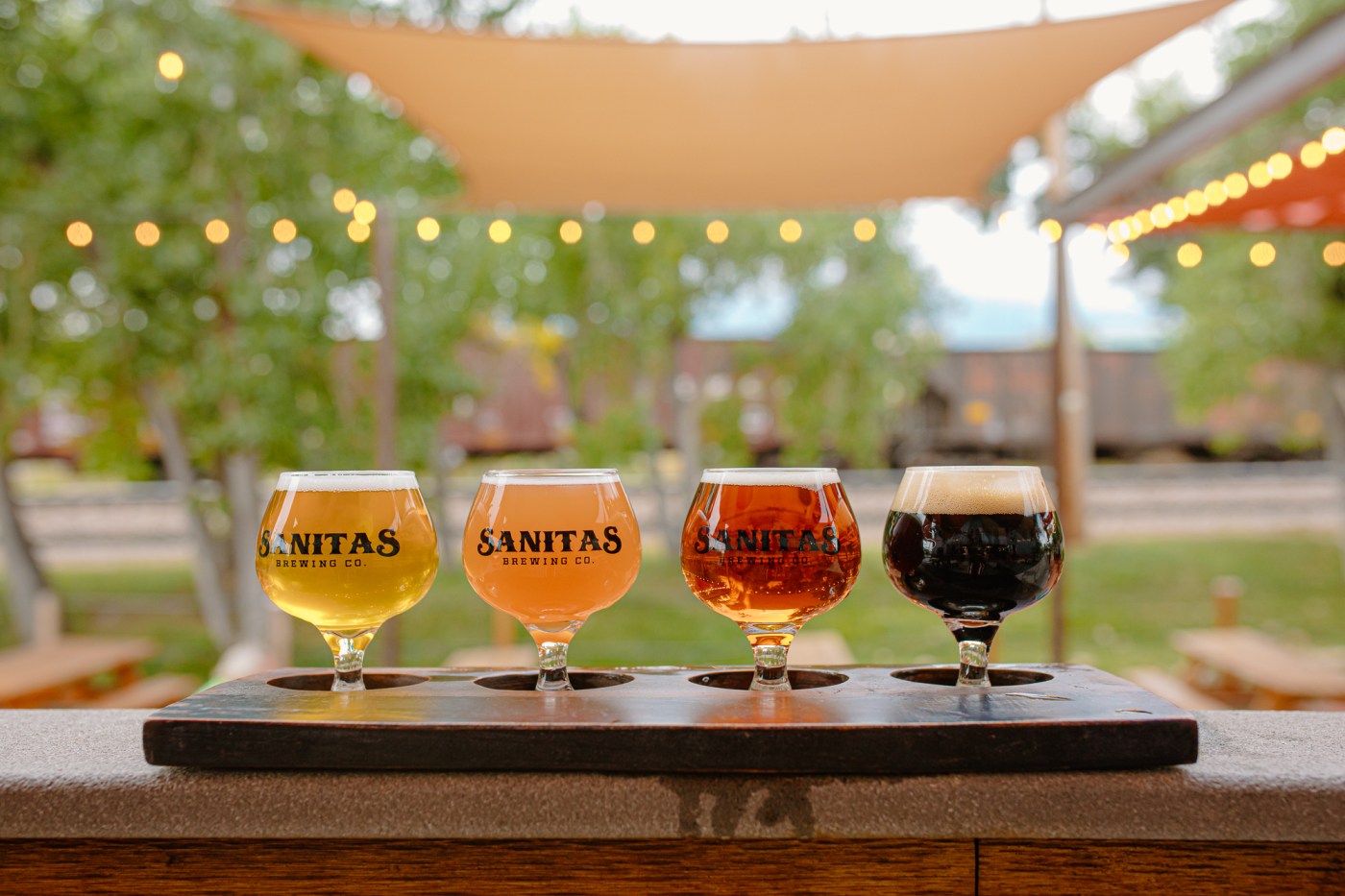
The report indicates that, barring a remarkable turnaround in the final weeks of the year, 2025 will witness the second consecutive year of more brewery closures than openings. Sanitas Brewing Co., which shuttered its Boulder brewery along with taprooms in Lafayette and Englewood on December 20, and Big Beaver Brewing Co. in Loveland, which closed in November, are among the latest casualties. Overall, the Brewers Association reports that as of mid-2025, craft production has declined by 5%, surpassing the 4% drop recorded in 2024.
The association has documented a total of 9,778 breweries currently in operation, with 268 new openings contrasted by 434 closures in 2025. The widening gap between these figures is attributed to a significant slowdown in new brewery openings.
Market Saturation and Financial Pressures
Matt Gacioch, staff economist for the Brewers Association, noted that the decline in openings reflects the current market saturation and the increasing difficulties in securing funding. With rising interest rates and cautious investors, launching a new brewery has become more challenging. Gacioch explained, “We might have reached the level of saturation in the market where lenders are just less likely to take at face value that a craft beer business is going to be automatically successful.”
Despite the challenges, Gacioch emphasized that there are still opportunities for new entrants, particularly in localized markets where demographics and consumer demand vary. He stated, “Are there parts of the Front Range that have reached market saturation? Absolutely. But I don’t think that’s the case for all areas.”
The changing drinking habits of younger consumers also pose a challenge for the industry. Many in this demographic are reportedly less interested in craft beer compared to previous generations. At a recent roundtable discussion hosted by BizWest, Steve Conrad, head brewer at Busey Brews Smokehouse and Brewery, remarked, “The younger generation doesn’t seem to be engaging in the craft-beer world as much as people my age.”
Consolidation and Future Outlook
The craft beer landscape is not only shrinking in terms of volume but is also consolidating through mergers and acquisitions. Local companies are actively participating in this trend, with strategic consolidations indicating innovation within the craft space. Gacioch highlighted the ongoing changes, stating, “Craft brewers have always been innovators. What you’re seeing now are innovations trying to make new business models work.”
One notable instance is Wilding Brands, a Lafayette-based company that has been acquiring several breweries, including Upslope Brewing Co. in October 2025. With these acquisitions, Wilding expects to brew 80,000 barrels across its portfolio, positioning itself as Colorado’s second-largest independent craft producer. Similarly, Left Hand Brewing Co. acquired Dry Dock Brewing Co. in the spring of 2025, aiming to maximize production efficiencies.
Looking ahead to 2026, the Brewers Association report suggests that many of the current challenges are unlikely to dissipate. Nonetheless, there are hints of cautious optimism, particularly as interest rates are expected to decline, potentially creating a more favorable environment for new ventures. Additionally, some consumer research indicates an anticipated increase in socializing, which could bode well for the craft beer sector.
In summary, while the craft beer industry faces headwinds, the resilience and creativity of brewers suggest a pathway forward. Gacioch encapsulated this sentiment, saying, “Beer is a beverage that has been around since the dawn of civilization. It’ll always be some kind of a roller coaster, but it’s the business owners who get creative about finding ways to succeed in today’s environment that will be around into the future.”
















