









































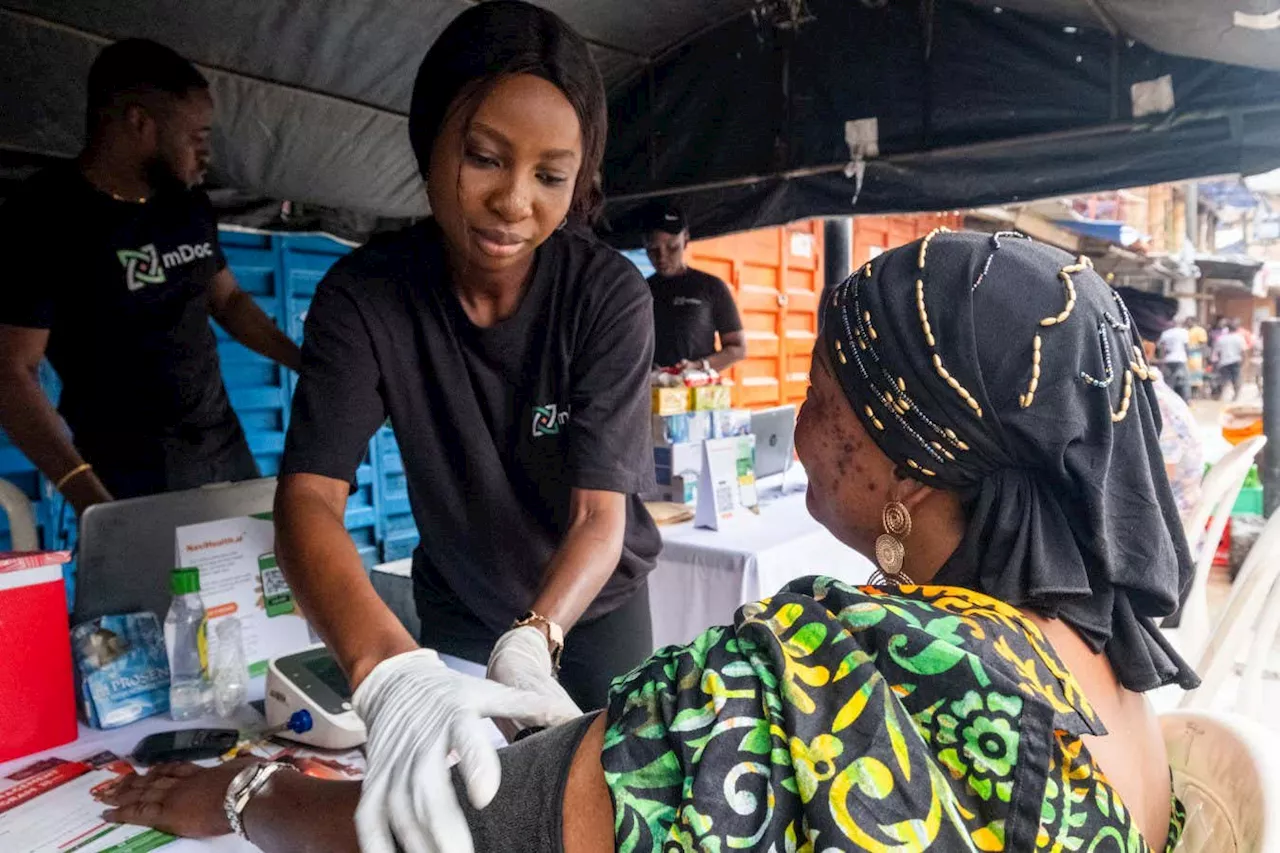
This International Women’s Day, there is a pressing call to prioritize significant advancements in women’s health research. According to Anita Zaidi, a prominent advocate for this cause, it is crucial to enhance our understanding of women’s health issues, such as the reproductive system’s natural defenses. Zaidi’s insights stem from her experiences as a pediatrician in Karachi, Pakistan, where she encountered numerous infants born prematurely due to conditions like preeclampsia. Tragically, many of these vulnerable lives could not be saved.
The complexities of pregnancy-related risks, including preeclampsia, remain largely unexplored. We still lack fundamental knowledge about its causes and prevention methods for preterm births, contributing to the global crisis of maternal and newborn mortality. Every day, thousands of women and infants die from complications associated with pregnancy and childbirth, with the highest rates occurring in regions such as sub-Saharan Africa and South Asia. These deaths are often a result of under-resourced healthcare systems, limited access to care, systemic poverty, and inadequate infrastructure.
Zaidi highlights a startling gap in knowledge across nearly all women’s health issues. For instance, the challenges surrounding menopause are frequently dismissed, leaving many women feeling unwell for years without adequate medical comprehension or intervention. This lack of attention is not due to scientific complexity but rather a pervasive indifference toward women’s health experiences. As a result, critical research questions remain unanswered, with only a small fraction of healthcare research and innovation directed toward women’s health issues, excluding cancers.
In contrast to the wealth of knowledge available regarding men’s health, such as the effects of medications like Viagra, women’s health conditions receive significantly less focus. Heart disease, the leading cause of death among women globally, presents differently in females, yet its specific effects remain poorly understood. Zaidi notes that while we understand how drugs penetrate the brain, we lack insights into how they interact with the female reproductive system.
Positive changes are beginning to emerge. In recent years, Zaidi has observed a growing recognition at conferences and roundtables about the necessity of investing in women’s health. Decision-makers and investors are beginning to acknowledge not only the scale of the problem but also the potential economic benefits that could arise from addressing these long-overlooked health issues.
Yet, recognizing the issue is only the first step. Immediate investment in resources and attention is essential to tackle the diverse and complex challenges faced in women’s health. Zaidi emphasizes the substantial potential for groundbreaking research, particularly in areas like the vaginal microbiome, which refers to the variety of bacteria present in the vagina. Research in this field has gained momentum in the past decade, and Zaidi’s team at the Gates Foundation is actively supporting investigations into how this microbiome affects pregnancy outcomes, including preterm births and susceptibility to sexually transmitted infections like HIV.
While the research is still in its nascent stages, promising innovations could emerge that may significantly improve the lives of countless women. For instance, strategies aimed at promoting beneficial bacteria in the vagina could help prevent infections and mitigate complications that lead to preterm births, as well as other serious health issues like pelvic inflammatory disease and postpartum endometriosis.
Despite the progress made, Zaidi insists that the current efforts remain insufficient. She calls for collaboration among public and private sectors worldwide to amplify the focus on women’s health. For nations like the UK, this moment represents an opportunity to lead in health innovation. By enhancing health outcomes for women, the UK can positively impact individuals at home and internationally while bolstering a vital and economically significant sector.
Investing in women’s health is not merely a healthcare issue; it is pivotal for enhancing women’s lives and livelihoods. Healthy women contribute more productively to their workplaces and are more engaged with their families and communities. This International Women’s Day serves as a reminder to those in positions of power that women’s health is a matter of urgency, and immediate action is necessary to allocate the needed resources effectively. By prioritizing women’s health, we can create a more equitable and healthier world for everyone.
















