









































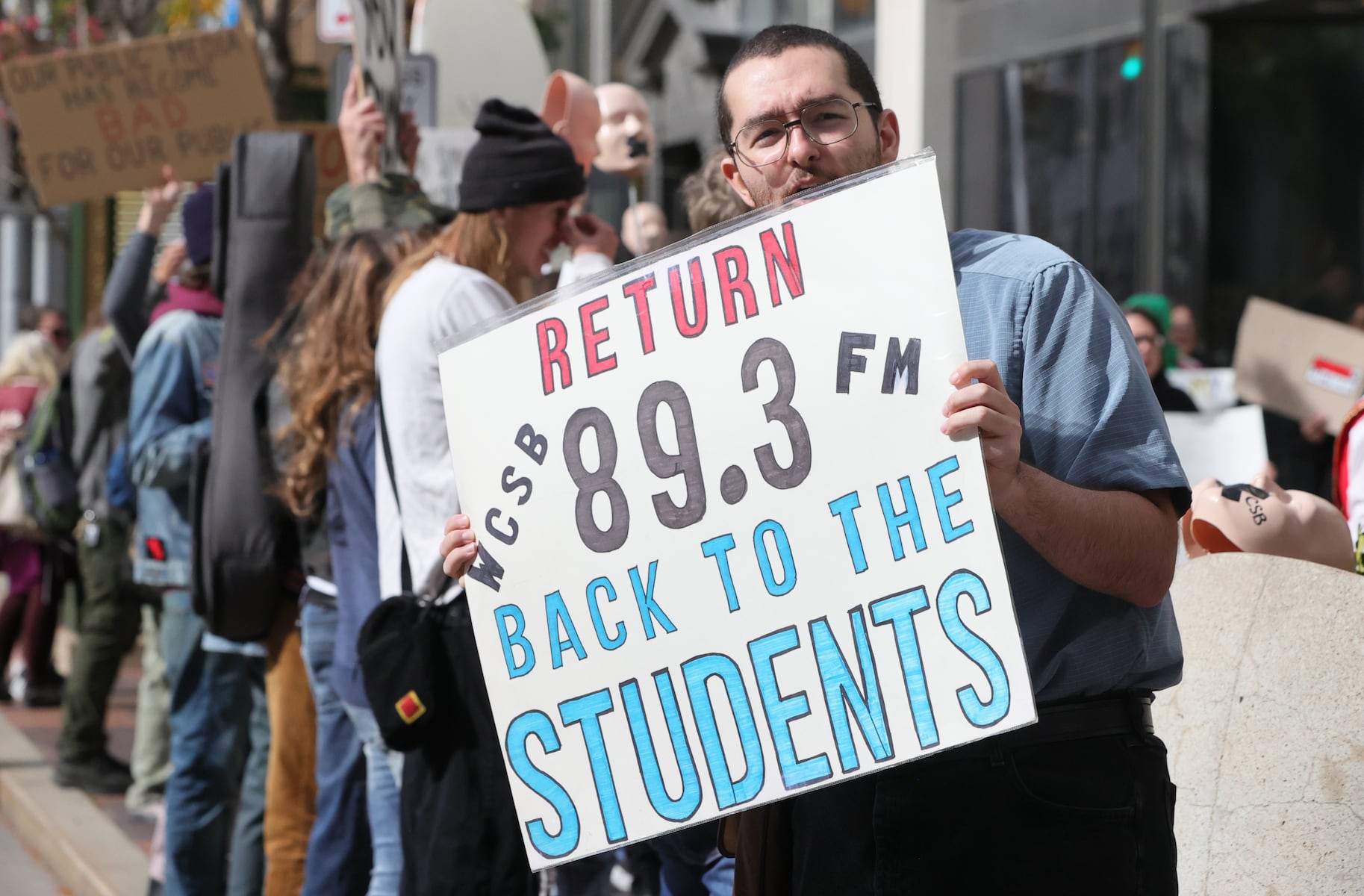
Cleveland State University (CSU) is facing legal action following its controversial decision to transfer ownership of its student radio station, WCSB, to Ideastream. The switch, which took place on October 3, 2023, surprised many students and listeners, who were taken aback when the station abruptly shifted its programming to smooth jazz. Protests erupted among students and community members, demanding clarity on the decision.
The lawsuit was filed in Cuyahoga County and claims that CSU violated free speech, open government, and property rights. According to the legal documents, the university’s closed-door meetings with Ideastream may have breached state sunshine laws. The controversy intensified after it was revealed that CSU had entered into a nondisclosure agreement six months prior to the transaction, keeping discussions about the transfer confidential.
Laura Bloomberg, the president of CSU, is named in the suit, which alleges that she grew weary of the independent voices at WCSB and their vocal opposition to university policies. The complaint states that Bloomberg subsequently called in police to remove students from the radio station, despite no reported crimes or violations of campus rules.
As the backlash continues, students and community advocates remain determined to reclaim the station. Three months after the transfer, the fight for WCSB has not subsided, with supporters rallying for transparency and accountability from CSU’s administration.
The case raises significant questions about governance at public universities and the implications for student expression. CSU has yet to provide a detailed explanation for the switch to Ideastream, leaving many to wonder about the motivations behind the decision.
This situation underscores the delicate balance between institutional control and student autonomy within educational settings. With the lawsuit now underway, the outcomes could have lasting effects on similar institutions and their governance practices.
As the legal proceedings continue, the community is closely monitoring developments, eager for a resolution that prioritizes student voices and rights.











