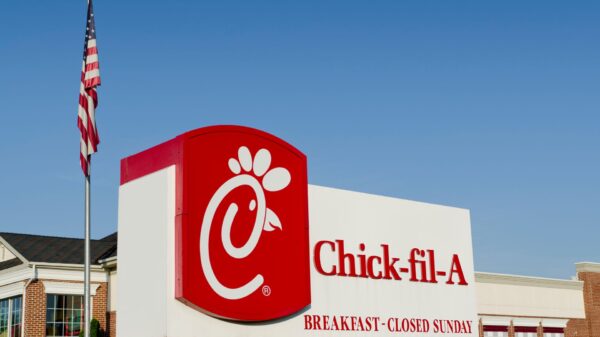




































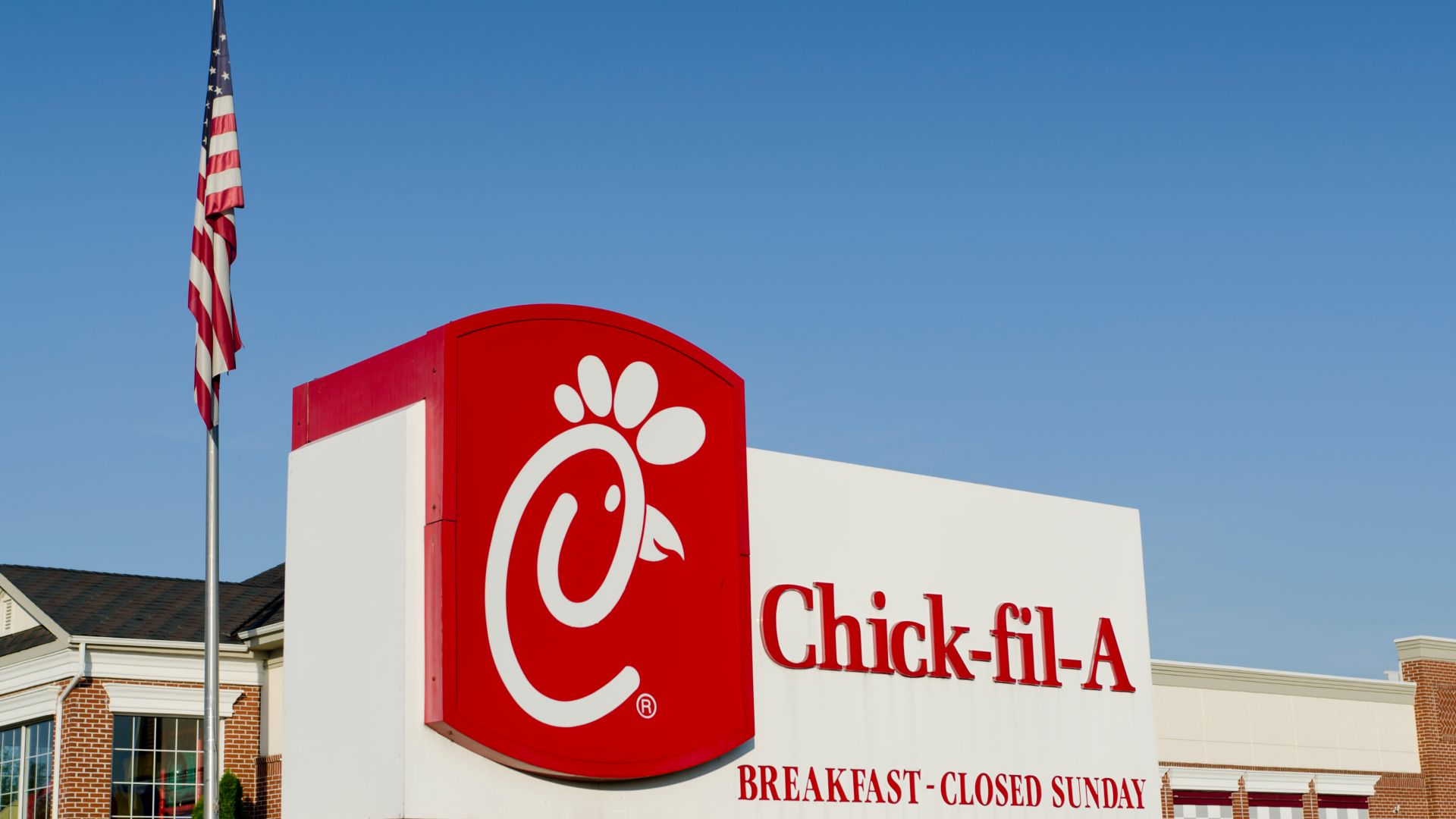
UPDATE: Chick-fil-A has just announced a major transformation impacting 400 locations across the United States. The fast food chain will shift these restaurants to an owner-operator model, moving away from its non-traditional restaurant concept that served limited menus in places like colleges and airports.
This significant change was revealed on Wednesday, and it aims to enhance the customer experience while addressing the profitability issues faced by the current licensed model. Non-traditional locations have struggled to compete, generating an average of only $1.4 million in annual sales compared to more than $9 million at traditional Chick-fil-A franchises.
The transition to owner-operators is expected to take place over the coming years. With this new model, customers will benefit from a fuller menu and improved services, including access to the Chick-fil-A app and loyalty programs at these locations. Additionally, employees at the newly converted restaurants will be eligible for the company’s scholarship program, enhancing their work experience.
Chick-fil-A clarified that airport locations will remain unaffected by this change, ensuring that travelers can still enjoy their favorite meals on the go. The company expressed excitement about this new chapter, stating,
“We believe our local ownership business model will allow us to serve and care for guests and extend the great food and hospitality of Chick-fil-A in more places, for many years to come.”
This strategic shift comes as Chick-fil-A seeks to boost overall sales, particularly since non-traditional outlets, such as those in healthcare and college facilities, have not performed as well financially. The average annual sales for non-traditional units hover around $3.5 million, still falling short compared to their fully operational counterparts.
As of the end of last year, Chick-fil-A had 425 licensed units nationwide, with 312 on college campuses and 97 located in airports, hospitals, and other businesses. In contrast, the chain boasts more than 2,600 franchises throughout the US, highlighting a significant opportunity for growth and improvement in service.
As Chick-fil-A embarks on this transition, they are also launching a new breakfast combo, an initiative aimed at further engaging customers and enhancing the brand’s appeal. The fast food giant is making bold moves to fill gaps left by competitors, showcasing its commitment to innovation and customer satisfaction.
Stay tuned as this story develops, and watch for the impact of Chick-fil-A’s new business model on the fast food landscape. This shift is expected to change the way customers interact with the brand, making it a topic of interest for food lovers and business analysts alike.