

















UPDATE: A series of significant events unfolded on December 4 throughout Chicago’s history, with lasting impacts on the city’s governance and community. Notably, today marks the anniversary of the tragic 1940 United Airlines plane crash that claimed the lives of 10 people, including the pilot and co-pilot, as well as a controversial deal struck by former Mayor Richard M. Daley regarding the city’s parking meters.
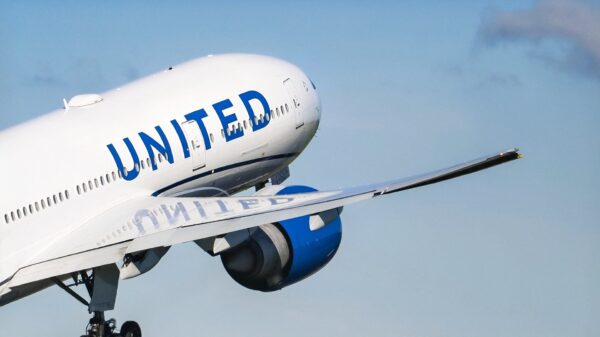
On December 4, 1940, a United Airlines DC-3, burdened with ice, crashed into a house at 6350 S. Keating Ave. during its second landing attempt at Chicago Airport, now known as Midway International Airport. This catastrophic incident is believed to be the first commercial plane crash in Chicago, prompting widespread changes in aviation safety regulations. The crash led to the Civil Aeronautics Board recommending the installation of stall-warning devices in airplanes, emphasizing the critical need for enhanced safety measures.
A pivotal event in the city’s civil rights history occurred on December 4, 1969, when police raided the Black Panther Party headquarters at 2337 W. Monroe St.. The raid resulted in the deaths of leaders Fred Hampton and Mark Clark during a pre-dawn operation involving 14 Chicago police officers. Witnesses described a harrowing scene where officers opened fire on sleeping party members, with a special federal grand jury later confirming that police fired between 82 to 99 gunshots into the home.
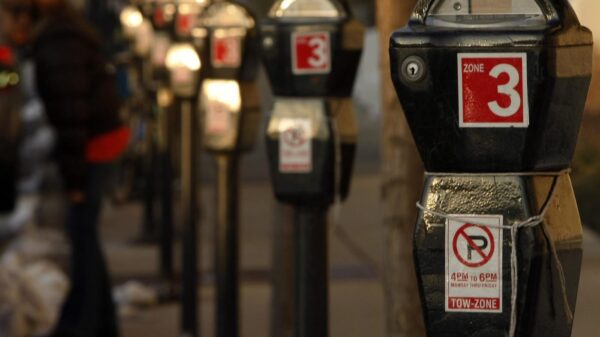
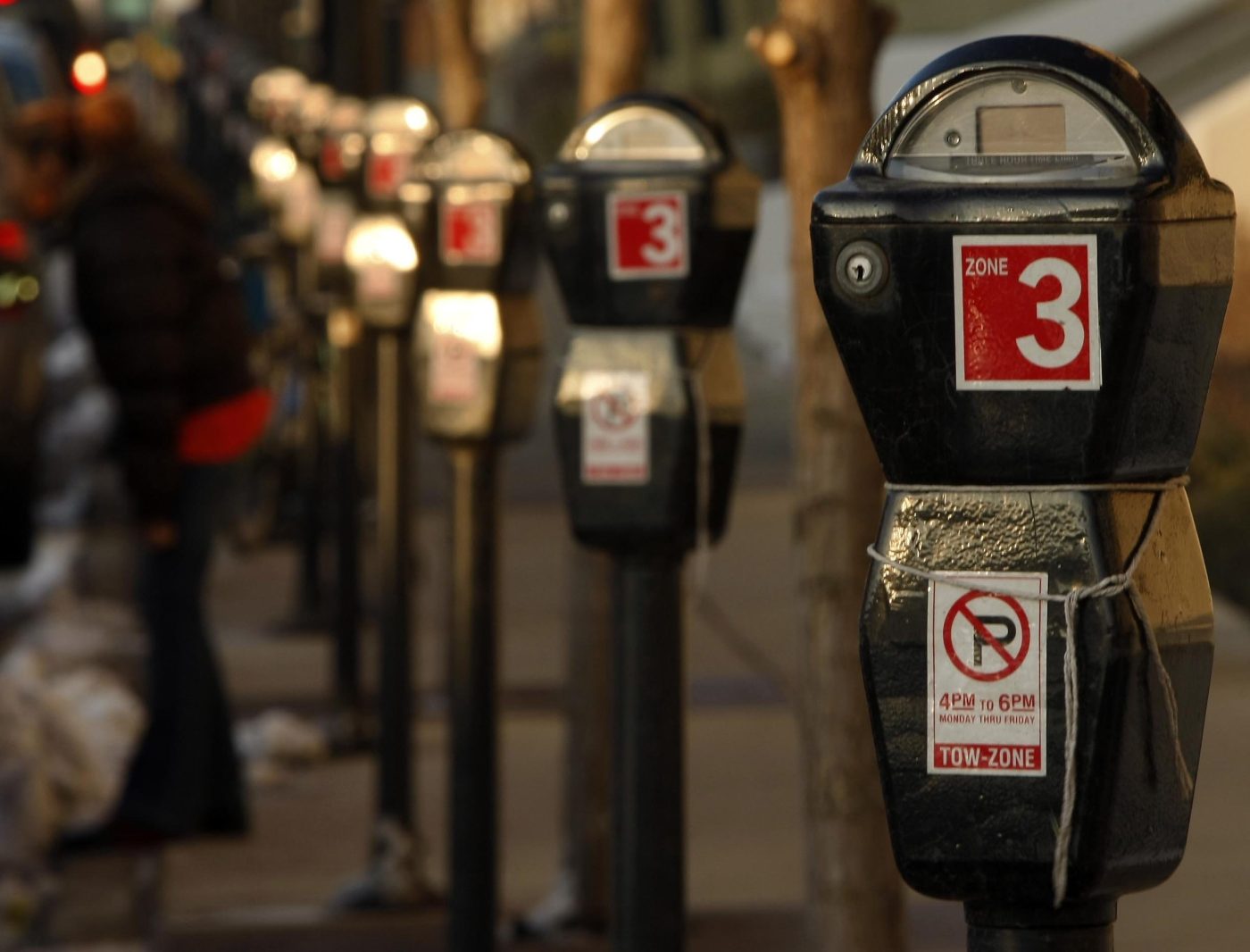
In more recent history, on December 4, 2008, Mayor Daley struck a contentious deal to lease Chicago’s paid street parking system to Chicago Parking Meters (CPM) for $1.16 billion. This 75-year lease was intended to address a budget shortfall but has since been criticized for its long-term financial implications. A 2019 report by Chicago’s inspector general revealed the city had received far less than the lease’s actual value, with CPM expected to earn approximately 10 times what it paid throughout the contract’s duration. “Any way you slice it financially, Chicago got taken to the cleaners,” stated the Chicago Tribune Editorial Board in a recent analysis.
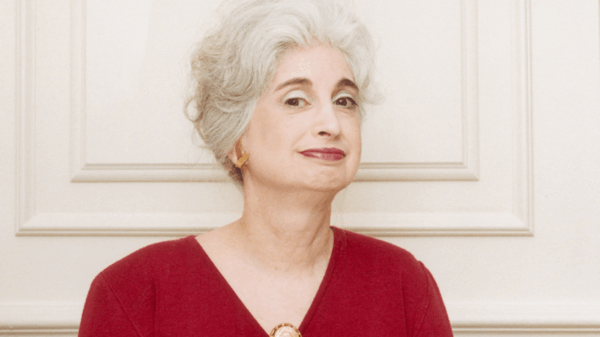
Additionally, in 2020, former Alderman Edward “Fast Eddie” Vrdolyak was sentenced to 10 months in prison for his role in a $1.5 million kickback scheme, further exemplifying the ongoing challenges of corruption in Chicago politics.
As Chicago reflects on these significant historical moments today, the impacts resonate deeply within the community, igniting discussions about governance, civil rights, and public safety.
For those looking to stay current on Chicago’s rich history, consider subscribing to the Vintage Chicago Tribune newsletter, joining the Chicagoland history Facebook group, or following the Today in Chicago History series on social media.
What do you think about these events and their implications on Chicago today? Share your thoughts with us!