









































UPDATE: CES 2026 is officially set to commence on January 6 in Las Vegas, but the excitement is already building as companies unveil teasers and partial product announcements. This year, the global tech community anticipates a surge of innovation, especially in the realm of artificial intelligence (AI).
The early buzz indicates that AI will dominate CES 2026, with every major brand from Samsung to LG showcasing how their products are enhanced by AI technology. Experts warn that while some applications could significantly improve user experience, many will simply be marketing gimmicks. As tech enthusiasts prepare to navigate this AI landscape, the question remains: How much AI is truly necessary in everyday devices?
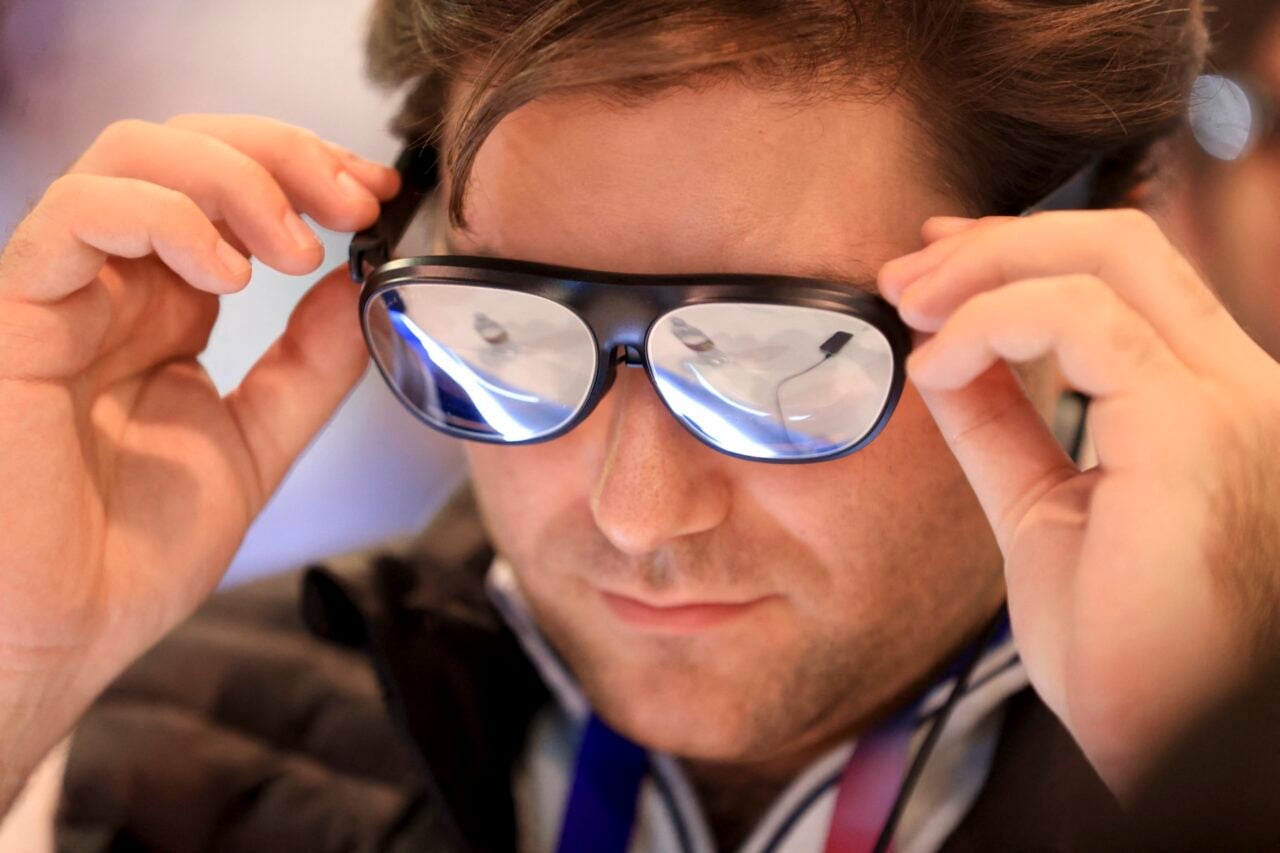
A standout trend is the rise of smart glasses, with multiple companies vying to capture consumer interest. Following last year’s introduction of products like Meta’s Ray-Ban Display, expectations are high for a flood of new designs. However, challenges persist, including balancing functionality with style and justifying the often hefty price tags. With no clear winner in the smart glasses space, CES 2026 promises to showcase a diverse array of options, but consumer demand for such devices remains uncertain.
TV technology will also take center stage as manufacturers strive to make advanced display technologies appealing to consumers. Innovations such as micro RGB and WOLED are on the agenda, alongside AI-enhanced features. Expect to see new ways AI is integrated into viewing experiences, potentially overshadowing traditional specifications like brightness and contrast ratios.
Electric vehicles (EVs) and mobility tech will make a significant impact at CES 2026, despite the event not focusing solely on automotive advancements. Attendees can look forward to an impressive array of EVs boasting cutting-edge designs, longer ranges, and advanced features. A notable shift is anticipated as consumers begin to favor tactile controls in vehicles, moving away from touchscreens that have dominated in recent years. This trend reflects a broader desire for user-friendly, intuitive designs.
As for the smart home sector, AI integration is reshaping the landscape, with new voice assistants like Google’s Gemini set to replace older models. The focus will be on merging intelligence with robotics, showcasing humanoid robots capable of performing household tasks. Although these innovations are still in early stages, they represent a significant leap towards realizing the dream of smart, autonomous homes.
In conclusion, CES 2026 is gearing up to be a pivotal moment for technology, with major trends in AI, smart glasses, and EVs dominating the conversation. As the event unfolds, the Gizmodo consumer tech team will provide live updates, delving deeper into the innovations that may define the future of tech. Stay tuned for more developments as CES 2026 approaches.
















