









































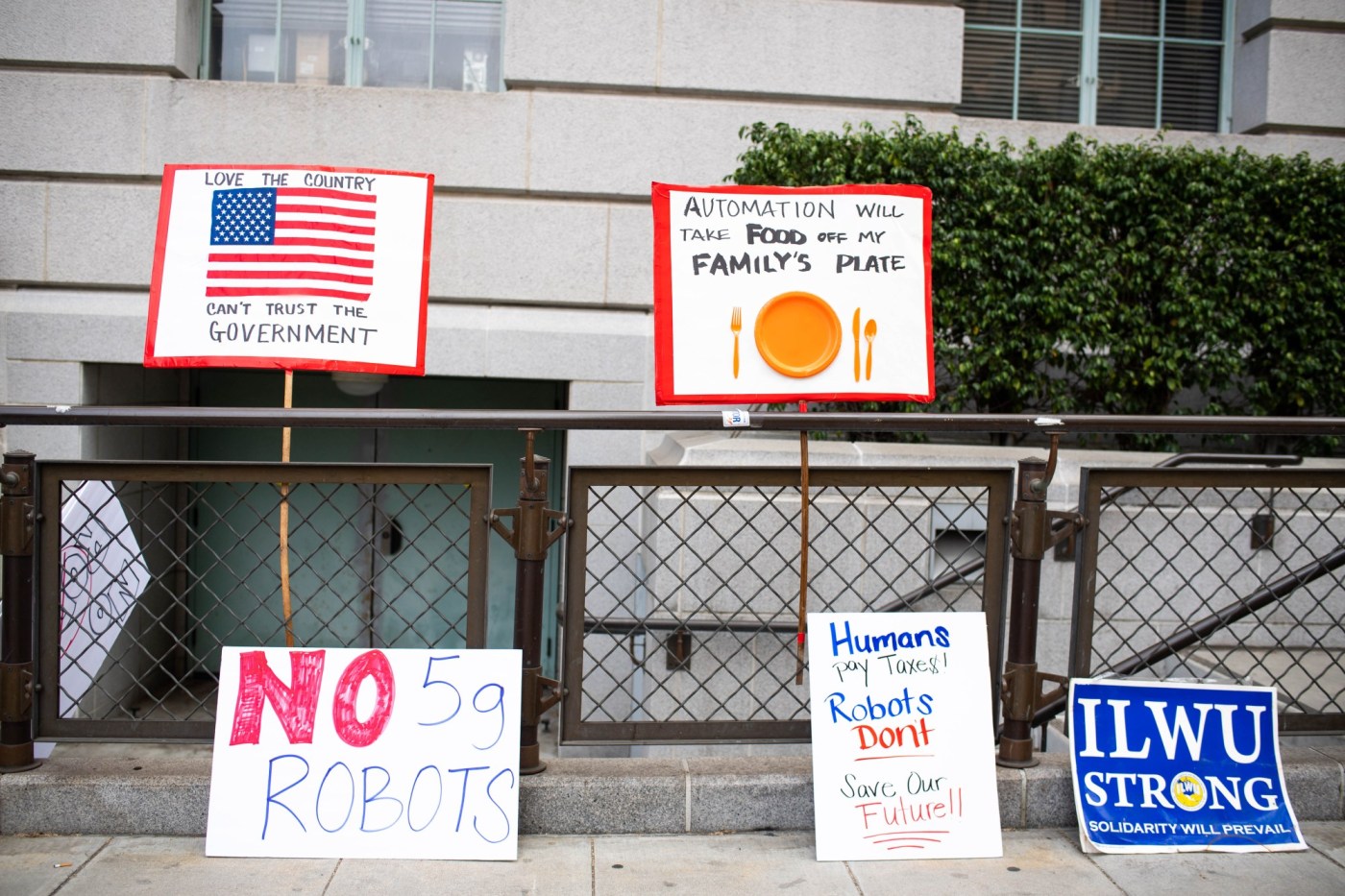
UPDATE: California’s lawmakers are escalating their fight against artificial intelligence as a wave of anti-AI legislation surges through Sacramento. Just announced, this legislative push reflects a growing concern over AI’s impact on jobs and economic stability in a state renowned for its technological innovation.
The California Legislature has proposed numerous AI-related bills in recent years, revealing a stark clash between technological progress and regulatory oversight. As labor unions express fears over potential job losses due to AI, Governor Gavin Newsom is navigating a precarious balance to protect both jobs and the state’s pivotal tech industry. Labor leaders are already signaling that safeguarding jobs from AI will be crucial for garnering support for Newsom’s anticipated 2028 presidential run.
In a landmark move, California became the first state to establish a regulatory framework for advanced AI systems with the enactment of Senate Bill 53 in September 2025. This law mandates major AI companies to implement standardized safety protocols and create an incident reporting system, while also providing whistleblower protections for industry workers.
Moreover, beginning on January 1, 2027, the California Privacy Protection Agency will enforce new regulations on companies using automated decision-making technologies. These regulations will impose transparency requirements in hiring and employment practices, further tightening the grip on AI’s role in the workforce.
As California pushes forward with expanded testing of driverless vehicles, including heavy-duty trucks, local governments are increasingly resisting these advances. The San Diego Metropolitan Transit System Board recently voted 12-1 against the unchecked expansion of autonomous taxi services, highlighting a growing demand for local regulations. “Waymo’s driverless cars are not fair competition,” stated Mikhail Hussein, president of the United Taxi Workers of San Diego, emphasizing the call for community input in technological changes.
This rising anti-AI sentiment in California is perplexing, especially in a state that is the powerhouse of Silicon Valley. The push for regulation is fueled by fears of job displacement and declining union membership, raising questions about the future of innovation in one of the most tech-forward regions in the world.
As this urgent situation develops, all eyes will be on Governor Newsom and the California Legislature to see if they can strike a balance that fosters technological progress while addressing legitimate workforce concerns. The implications of these legislative measures could redefine the landscape of AI technology and its integration into everyday life.
Stay tuned for more updates as this situation unfolds, as the stakes have never been higher for both technology and labor in California.
















