







































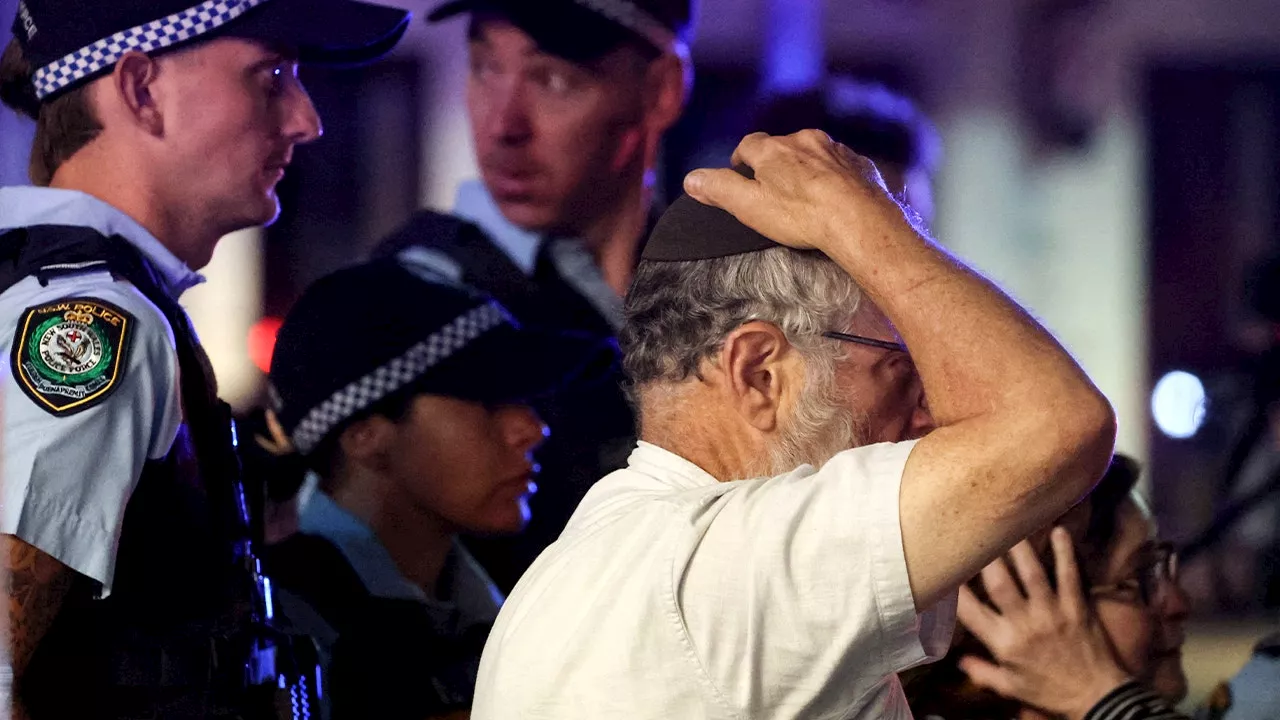
UPDATE: A devastating shooting during a Hanukkah celebration at Bondi Beach in Sydney, Australia, has left 15 dead and 40 hospitalized, with authorities confirming it as an act of terrorism targeting the Jewish community. This tragic event unfolded on Sunday and has generated widespread outrage and fear.
New York Times columnist Bret Stephens has drawn alarming connections between this horrific attack and the ideology of ‘globalizing the intifada.’ In his commentary published on Monday, he criticized both the actions of the attackers—a father and son duo—and the Australian government’s handling of anti-Jewish sentiment, marking a critical moment in the ongoing discourse surrounding anti-Semitism.
Officials have confirmed that the shooting is being investigated as a terrorist act. The incident occurred during a festive gathering, known as Chanukah by the Sea, where families were celebrating the start of the Hanukkah festival. Eyewitness accounts describe chaos and panic as gunfire erupted, leaving the community in shock.
Stephens highlights that the attackers’ motivations may be influenced by a broader narrative that links local actions to global ideologies. He argues that the phrase ‘globalize the intifada’ encourages violent resistance against Israel and interprets slogans like ‘resistance is justified’ as incitements to real-world violence. His analysis prompts urgent questions about the implications of such ideologies on societal safety.
“The evil that was unleashed at Bondi Beach today is beyond comprehension,” stated Prime Minister Anthony Albanese. However, Stephens warns that for those who view the Jewish state as evil, attacks on Jewish individuals can be seen as a warped form of justice, complicating the narrative further.
Stephens criticizes the Australian government for its perceived failure to adequately address the rising tide of anti-Semitism, suggesting that policies favoring recognition of a Palestinian state have blurred the lines between legitimate criticism of Israel and outright attacks on Jewish people. As tensions rise, the community is left grappling with the aftermath of this tragic event.
The situation remains urgent as authorities continue their investigations, and international condemnation pours in from leaders worldwide. The implications of this attack extend far beyond local borders, raising alarms about the intersection of ideology and violence, and the responsibilities of governments to protect their citizens.
As investigations progress, the community awaits answers and support. The need for a robust response to anti-Semitic violence is more urgent than ever. This incident serves as a stark reminder of the complexities surrounding political expression and the potential for ideologies to incite real-world violence.
This developing story will continue to unfold as more details emerge. For those seeking to understand the ramifications of this attack, the discussions initiated by Stephens provide a critical lens on the intersection of ideology, politics, and violence.