









































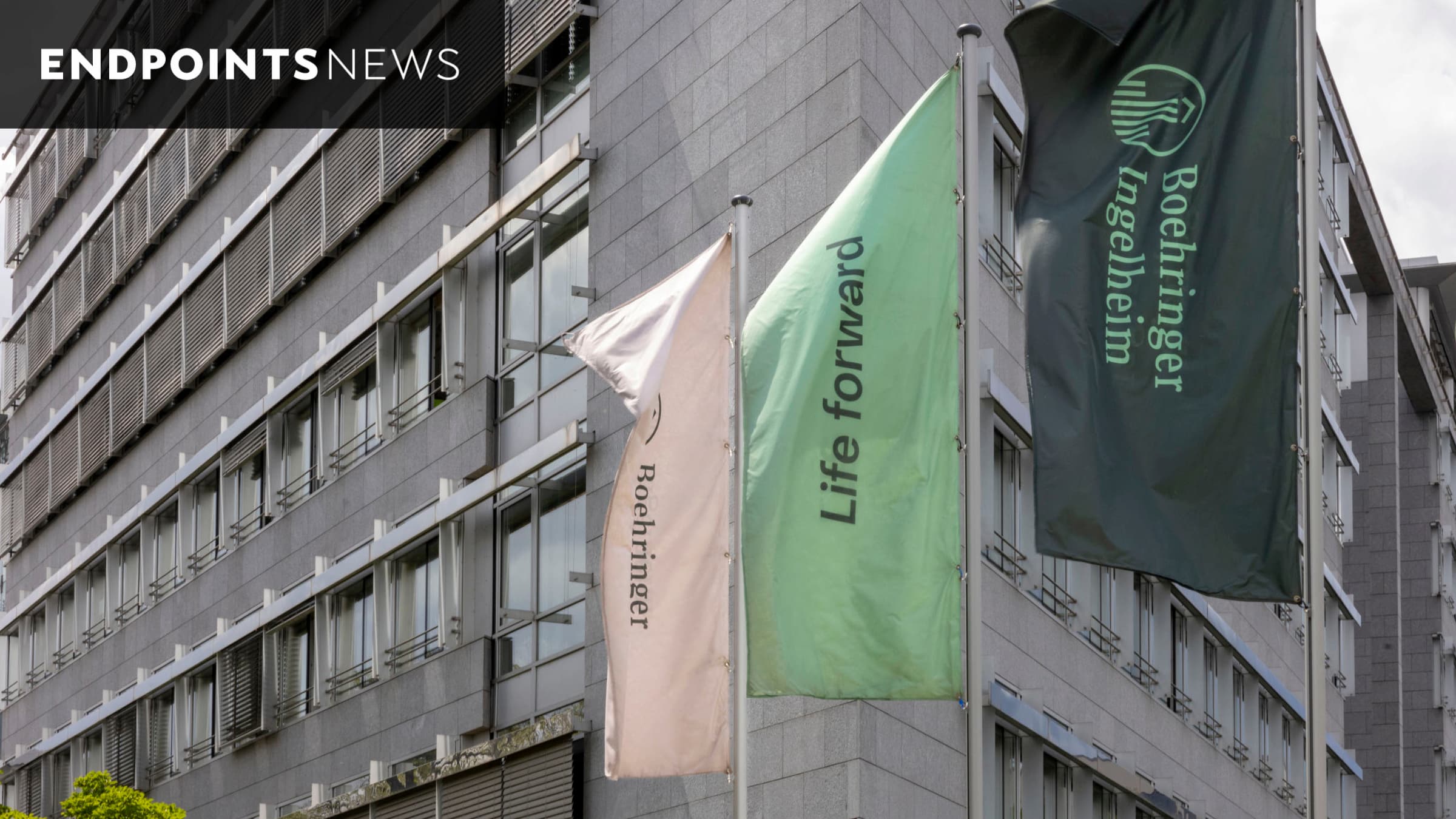
Boehringer Ingelheim has officially ceased development of its inhaled gene therapy for cystic fibrosis, which was still in the early stages of clinical trials. This decision marks a significant shift for the German pharmaceutical company, which had been exploring innovative treatments for this genetic disorder.
The company communicated its decision to Endpoints News, emphasizing that discontinuation of the project was based on a variety of factors. While specific details about the reasons for halting the therapy have not been disclosed, it typically reflects the challenges inherent in drug development, particularly in complex conditions like cystic fibrosis.
Cystic fibrosis affects approximately 70,000 people worldwide, with an increased prevalence in individuals of Northern European descent. The disorder leads to severe respiratory and digestive issues due to the production of thick mucus, and patients often require ongoing treatment to manage symptoms and complications.
Boehringer Ingelheim’s inhaled gene therapy aimed to leverage advanced genetic techniques to address the underlying cause of the disease rather than simply alleviating symptoms. The potential for this treatment had generated excitement among both medical professionals and patients alike.
Despite this setback, Boehringer Ingelheim remains committed to its research and development efforts in other areas. The company has a diverse portfolio focused on various therapeutic areas, including oncology and cardiovascular diseases.
This decision to halt the cystic fibrosis project highlights the unpredictable nature of drug development, where even promising therapies can face insurmountable obstacles. While the cessation of this particular project is disappointing, it underscores the need for continuous investment in research to find viable solutions for complex diseases.
The pharmaceutical industry often faces rigorous scrutiny in the development of new treatments, and the challenges encountered by Boehringer Ingelheim serve as a reminder of the complexities involved. The company continues to explore other avenues and remains dedicated to improving health outcomes through innovation.
As the landscape of cystic fibrosis treatment evolves, stakeholders will be watching closely for any new developments that may emerge from ongoing research and clinical trials in the field.
















