





































UPDATE: Airbus has just announced a significant reduction in its delivery target, slashing it by 30 planes due to a fuselage issue identified in its A320 line. The French aerospace giant now anticipates delivering approximately 790 commercial planes this year, down from the original goal of 820.
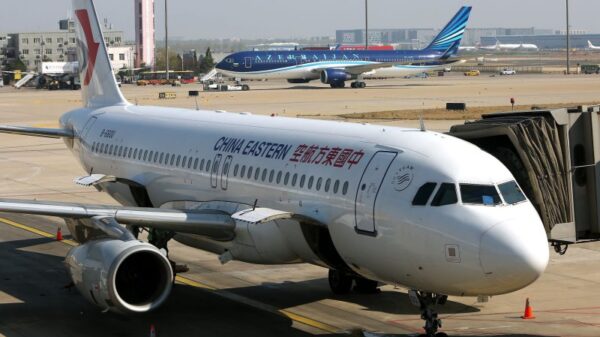
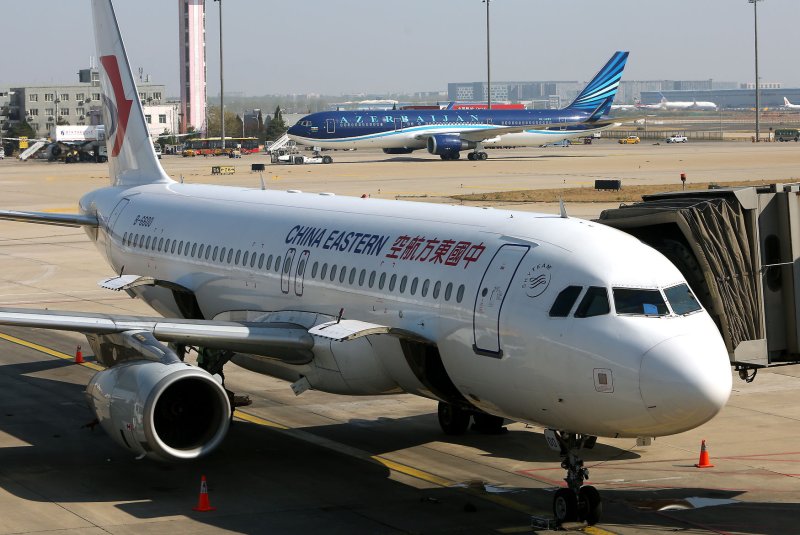
The company uncovered the fuselage issue during routine checks, which necessitate inspections on 628 planes, including 168 already in service and 245 on assembly lines. This comes on the heels of a previous problem that required a software fix affecting 6,000 planes over the Thanksgiving holiday, disrupting numerous flights and impacting travelers.
In a concerning incident on October 31, around 15 passengers aboard a JetBlue flight were hospitalized after the aircraft experienced a sudden loss of altitude, forcing an emergency landing in Tampa, Florida. The flight was en route to Newark, New Jersey. Following this, Airbus discovered the issue with metal panels located behind the cockpit on both sides of the two forward doors, which were reported to be of incorrect thickness.
Despite the challenges, officials maintain that there are no safety concerns regarding the A320 aircraft. An Airbus source confirmed to BBC, “The source of the issue has been identified, contained, and all newly produced panels conform to all requirements. This quality issue does not affect the flight safety of the aircraft in question.”
Airbus’s shares have taken a hit, dropping over 6.5% in the past week as investors react to the news. The company is now focused on completing the necessary inspections to determine which aircraft may require further action.
As inspections commence, the aviation community is closely monitoring the situation. Industry experts advise passengers to stay informed about potential flight disruptions as Airbus works through these issues.
The immediate impact of this development underscores the fragile state of the global aviation industry as it continues to recover from the pandemic. With numerous planes awaiting inspection, travelers and stakeholders alike are left wondering how this will affect future flight schedules.
Stay tuned for further updates as Airbus navigates this urgent situation and what it means for the airline industry moving forward.