





































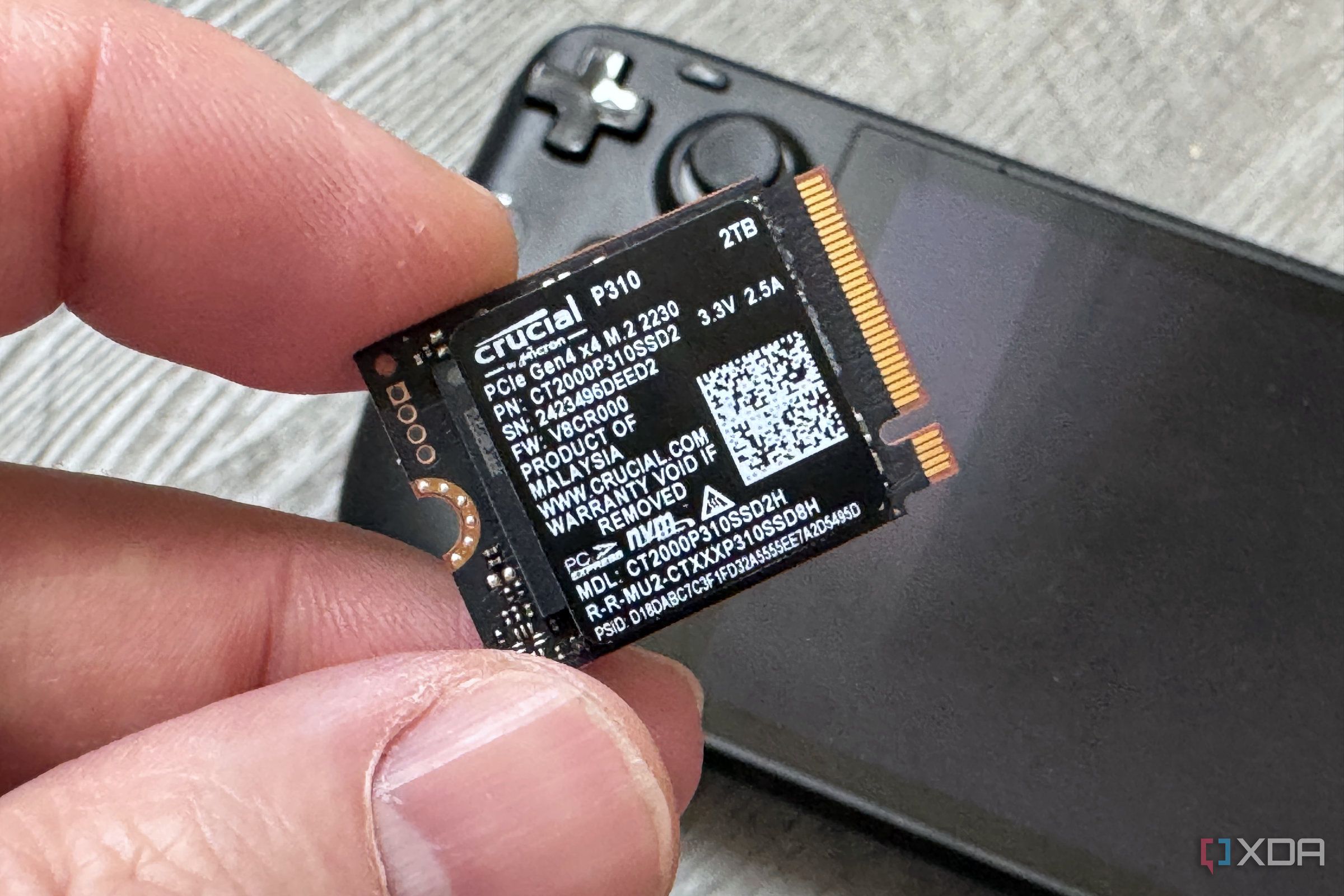
UPDATE: A new memory crisis is unfolding as the insatiable demand for AI hardware disrupts consumer technology markets. Reports confirm that manufacturers are reallocating resources to produce High Bandwidth Memory (HBM) for AI applications, leading to a catastrophic shortage of standard RAM components, with impacts expected to last until late 2027.
This crisis is exacerbated by Micron’s recent announcement to halt its consumer-facing operations to meet AI hardware demands, resulting in a significant reduction in available DDR4 and DDR5 memory for everyday tech. As a consequence, prices for basic memory components have surged dramatically, with 2x16GB DDR4 kits now costing as much as a mid-range GPU.
The ripple effects of this shortage are poised to hit various sectors hard. Network-attached storage (NAS) devices and consumer routers, previously affordable, will see significant price hikes or reduced performance due to dwindling memory supplies. Major manufacturers like Synology and QNAP are already facing tough decisions on whether to increase prices or downgrade memory configurations, particularly for essential home lab equipment.
For those planning upgrades, the message is clear: act now. With Reuters reporting on SK Hynix’s prediction of ongoing shortages, the window for cost-effective upgrades is closing rapidly. The era of “over-provisioning” for home labs is effectively over.
In the realm of single-board computers (SBCs), like the popular Raspberry Pi, the situation is equally dire. These devices, reliant on low-power DDR (LPDDR) memory, are expected to become increasingly scarce as production favors larger companies. As memory allocation tightens, the once-plentiful supply of Raspberry Pis will dwindle, echoing the shortages of 2021-2022.
The crisis extends to modern appliances as well. Smart refrigerators and TVs, which now depend heavily on memory for their operational features, will likely see higher prices. Manufacturers are expected to compromise on memory specs to maintain profitability, leading to sluggish performance and frustrating user experiences.
The automotive sector is not immune either. As vehicles become increasingly reliant on state-of-the-art technology for features like infotainment systems and advanced driver-assistance systems (ADAS), the memory shortage could force automakers to strip down features or increase vehicle prices significantly. The shift towards software-first vehicles may not be sustainable if the hardware becomes prohibitively expensive.
Handheld gaming consoles are also at risk. The growing popularity of the handheld market could stall as LPDDR prices skyrocket, pushing manufacturers to either raise prices or delay new product launches. The dream of affordable, high-performing handheld devices is fading fast, largely due to the AI-driven memory crisis.
Lastly, the healthcare sector faces a heartbreaking dilemma. Vital medical equipment such as ultrasound machines and MRI scanners is increasingly computerized and reliant on reliable memory supply. As these devices cannot afford to compromise on quality, healthcare providers may be forced to pay exorbitant prices, ultimately affecting patient care.
As the memory crisis deepens, consumers will have to face stark choices: pay rising prices for essential tech now or gamble on future availability. The impact of AI on RAM supply chains is forcing everyone to reconsider what they can afford, making it clear that the costs of technology are about to rise across the board.
Stay tuned for further updates as this situation develops, and prepare for what may be a significant shift in the tech landscape.