






































BREAKING: New insights reveal 5 innovative Docker Compose tricks that can dramatically enhance the reliability of your home server. With the growing popularity of self-hosting solutions and home labs, these tips are a game-changer for enthusiasts seeking to optimize their setups IMMEDIATELY.
The self-hosting community is buzzing as these tips come to light. Docker, known for its extensive collection of tools and user-friendly approach, continues to dominate the containerization landscape. Users are discovering ways to leverage Docker Compose to streamline container management more effectively than ever before.
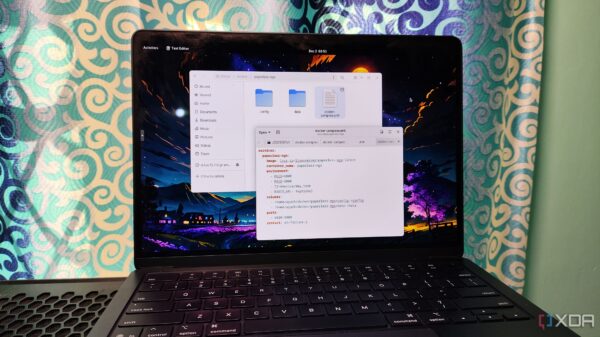
1. Organize with Dedicated Folders: One crucial recommendation is to store each compose.yml file in its own directory. This strategy avoids conflicts when deploying multiple containers and simplifies management. For example, the Paperless-ngx configuration is securely housed in its dedicated folder within the /home/containers directory, making recovery simpler if issues arise.
2. Add Health Checks: Another vital tip involves appending the healthcheck attribute to essential containers. This feature ensures that Docker can accurately assess whether a container is operational. If a container is stuck in a failure loop, it will be marked as unhealthy, alerting users to potential problems that require immediate attention.
3. Implement Restart Policies: To keep critical applications running, configuring restart policies is essential. By using the on-failure flag and setting a maximum of two retries, users can ensure that services are automatically revived after unexpected shutdowns, minimizing downtime and maintaining functionality.
4. Utilize Docker Compose Watch: For developers, integrating Docker Compose Watch can significantly enhance productivity. This tool syncs changes in configuration files directly with container images, eliminating the need for manual rebuilds and allowing real-time updates. It’s especially beneficial for those coding in environments that require constant adjustments.
5. Access Devices with the Devices Attribute: For intensive workloads that require hardware access, the devices attribute is essential. This allows containers to utilize USB and PCI devices, enhancing performance for applications like Immich that demand GPU capabilities. This feature is particularly advantageous for users operating on Linux, where device passthrough is more straightforward.
These Docker Compose enhancements are not just technical; they empower users to create more reliable and efficient home server environments. The community is encouraged to explore these tips to elevate their self-hosting projects.
As the Docker ecosystem continues to evolve, users are urged to stay tuned for more updates and best practices. With these actionable strategies, anyone can enhance their server reliability and functionality TODAY.
For further developments and community discussions, join forums or follow Docker’s official updates to keep your home server ahead of the curve. Don’t miss out – share these tips with fellow tech enthusiasts NOW!