









































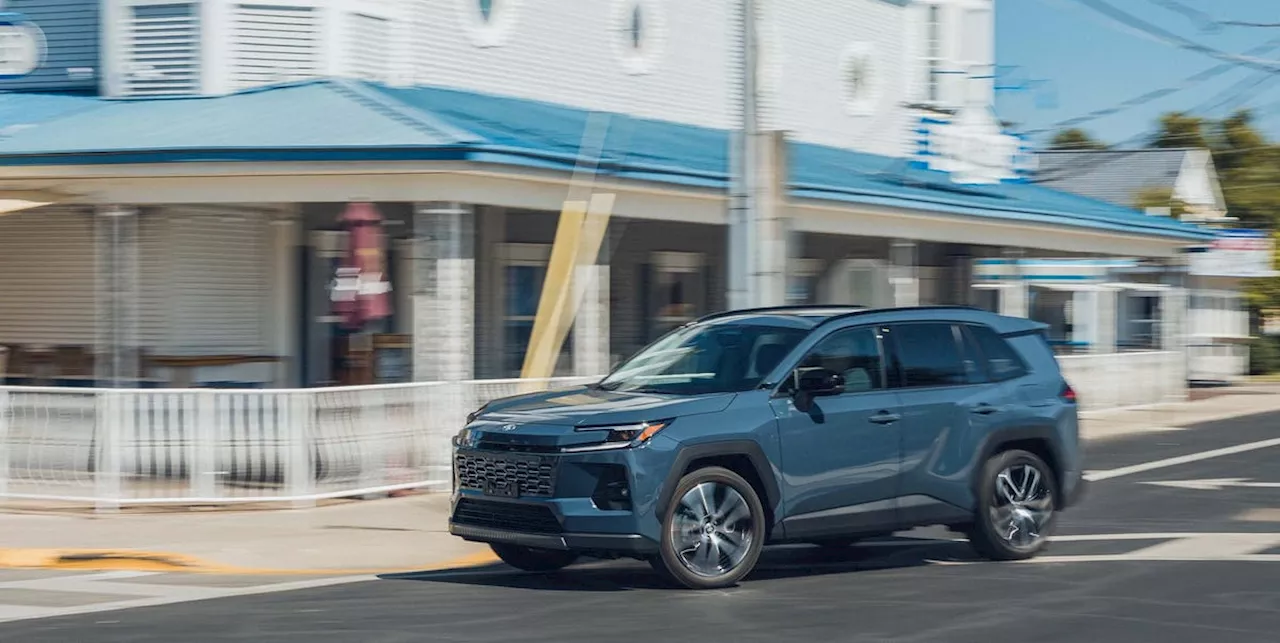
The longevity of a hybrid car’s high-voltage battery significantly impacts its overall ownership costs. These batteries, crucial for the vehicle’s functionality, can be expensive to replace, often costing several thousand dollars. Understanding how long these batteries last and what factors influence their lifespan is essential for hybrid vehicle owners.
Hybrid cars feature two types of batteries: a standard 12-volt battery used like in conventional vehicles and a high-voltage battery that powers the electric motor. The latter is typically located beneath the rear seat or extending under the rear parcel shelf, designed to last for the vehicle’s lifespan. However, mileage and usage patterns can affect their durability.
Battery warranties offer insights into expected lifespans. In the United States, federal regulations mandate a minimum coverage of eight years or 80,000 miles for plug-in hybrid and electric vehicle batteries. In states adhering to the California Air Resources Board guidelines, this coverage extends to 10 years or 150,000 miles.
Manufacturers often provide warranties that exceed these requirements. For instance, Toyota offers a warranty of 10 years or 150,000 miles on its hybrid batteries, while Hyundai covers hybrid components for 10 years or 100,000 miles. These warranties are generally transferable, providing peace of mind for used car buyers.
Several factors can lead to hybrid battery failure or degradation. External conditions, such as exposure to extreme temperatures, can shorten battery life. Keeping the vehicle in a shaded or temperature-controlled environment can mitigate these effects. Additionally, damage from accidents can compromise the battery’s performance.
Battery wear is a natural process. Manufacturers typically utilize only a portion of the battery’s capacity to extend its lifespan, preventing excessive discharging or overcharging. Over time, however, even well-maintained batteries may show signs of degradation, which can render them ineffective.
Recognizing the symptoms of a failing hybrid battery is crucial for owners. Warning lights and diagnostic codes are typical indicators, but other signs can be observed before these alerts. A noticeable drop in fuel economy, reduced activation of the hybrid system, and inaccurate battery gauge readings can all signal potential issues. In severe cases, the car may fail to start, indicating a high-voltage battery problem.
While comprehensive studies on hybrid battery longevity are limited, most estimates suggest that these batteries can last between 100,000 and 200,000 miles. For prospective buyers of high-mileage hybrids, a pre-purchase inspection is advisable, particularly one that includes battery diagnostics. This proactive step allows buyers to factor potential replacement costs into their purchasing decisions.
In summary, understanding the lifespan and maintenance of a hybrid vehicle’s high-voltage battery is vital for owners. By being informed about warranty coverage, signs of battery issues, and the factors that influence battery life, hybrid drivers can better manage their vehicle’s performance and costs over time.
















