























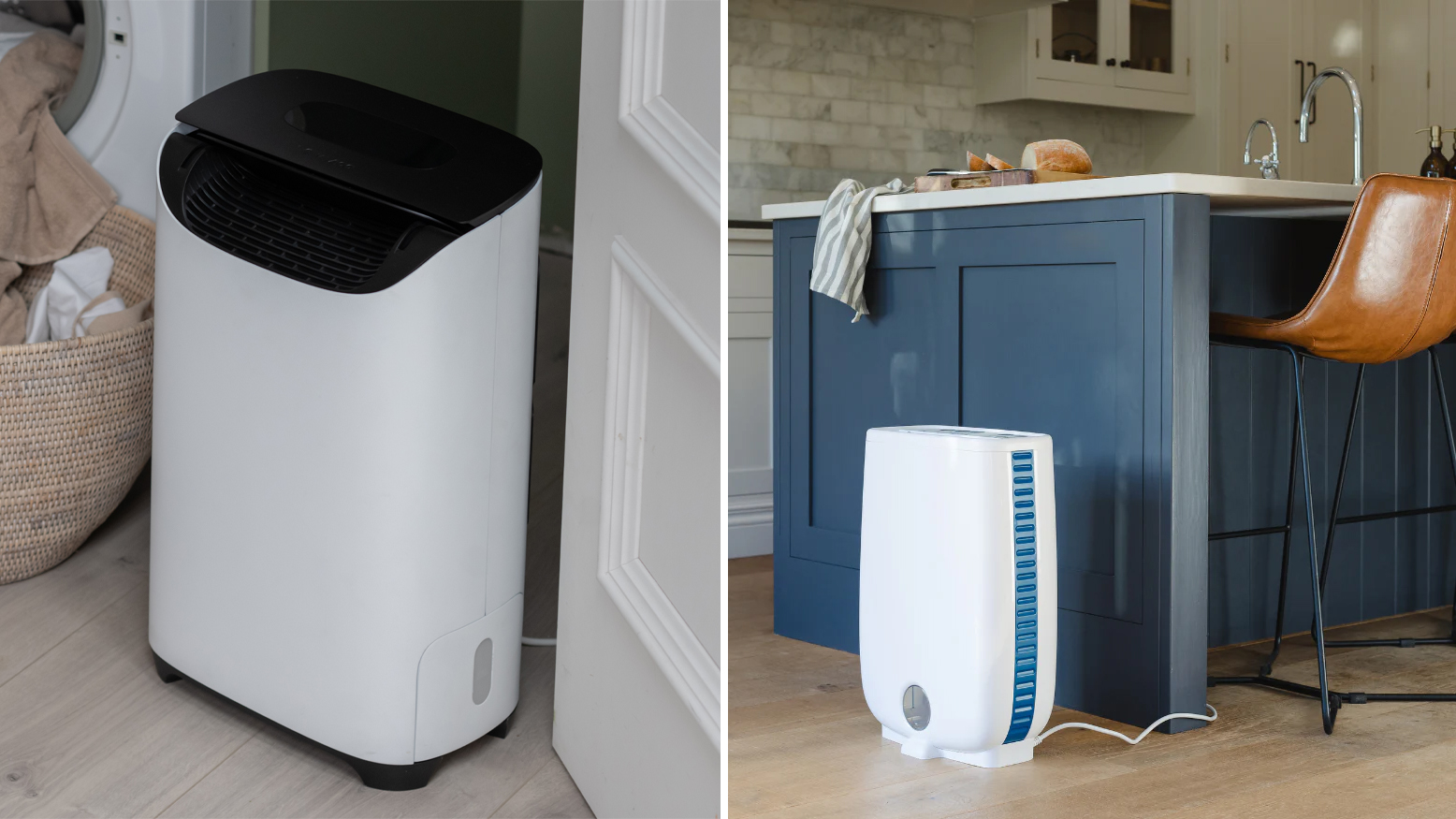














Homeowners often face the challenge of managing dampness and condensation in their living spaces. Choosing the right dehumidifier can significantly impact indoor air quality and comfort. The two primary types of dehumidifiers available are compressor and desiccant models, each functioning differently and suited to specific environments and needs.
How Each Type Works
In a compressor dehumidifier, air is drawn into the unit and passed over a cold metal surface. The moisture in the air condenses into water, which collects in a bucket. The dehumidifier then warms the air before releasing it back into the room through vents. Some models may include a filter to purify the air, but this can reduce efficiency as the machine has to work harder to circulate air.
Desiccant dehumidifiers operate on a different principle. Air enters the machine and encounters desiccant material, which absorbs moisture. According to Chris Michael, co-founder and Chief Product Officer of air care brand Meaco, the desiccant is continuously rotated on a wheel. When the wheel becomes saturated, it is dried with the help of a fan and heater. The resulting warm, damp air is then channeled into condensate tubes, where condensation occurs, and water collects for disposal.
Three Key Differences to Consider
Understanding the differences between the two types can help consumers make informed choices based on their specific circumstances.
1. Heat Generation:
Desiccant dehumidifiers typically generate heat as they operate, blowing air back into the room that is approximately 10°C (18°F) warmer than the ambient temperature. This feature aids in drying clothes efficiently, which can be particularly beneficial in spaces where laundry is done.
2. Efficiency in Cold Conditions:
Compressor dehumidifiers tend to be more cost-efficient during warmer months. However, their performance declines in cooler environments, particularly below 15°C (59°F). In contrast, desiccant models maintain consistent efficacy even in temperatures below 10°C (50°F), making them suitable for unheated spaces such as garages or boats.
3. Operating Costs:
While compressor dehumidifiers generally have lower running costs, their efficiency drops in colder conditions. Selecting the appropriate size for the space is crucial for optimizing energy use. Desiccant dehumidifiers, while potentially more expensive to run under normal conditions, can be advantageous in colder climates due to their consistent performance.
When selecting a dehumidifier, consider the specific needs of your home and the environment in which it will be used. Understanding these key differences can guide you toward the most effective solution for managing moisture, enhancing comfort, and improving air quality.