









































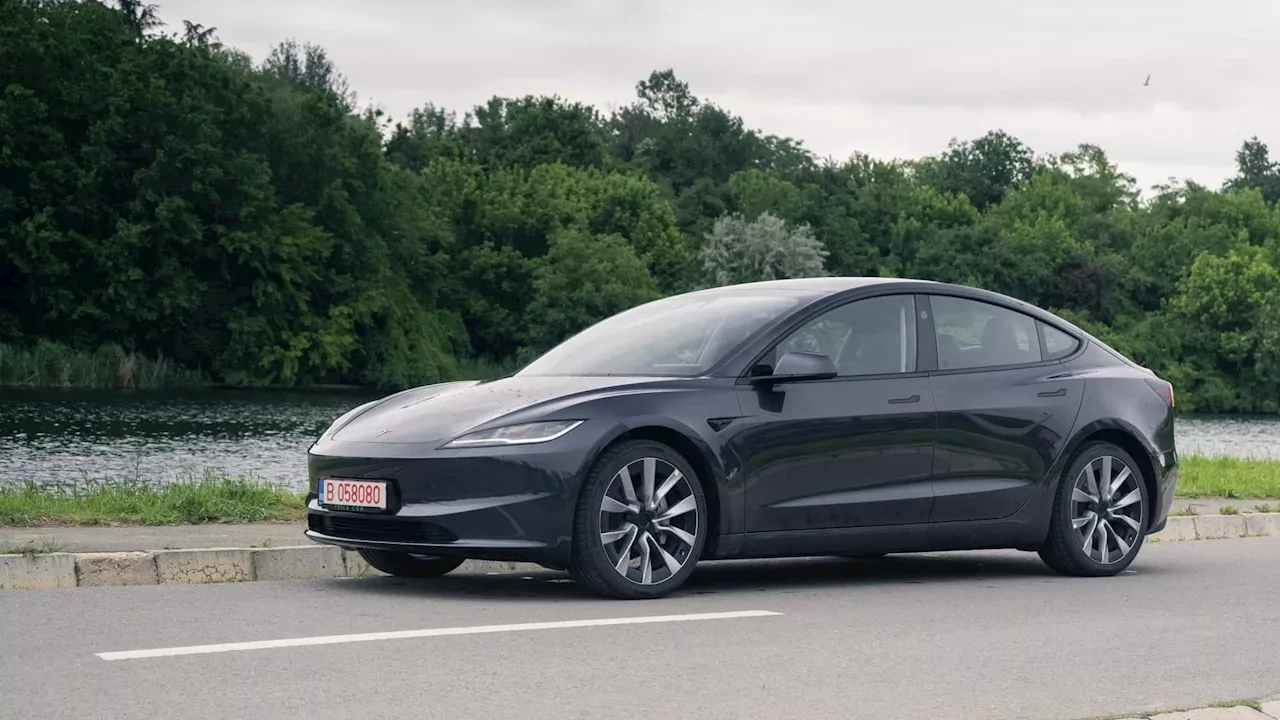
A study conducted in the UK has revealed that the average battery health of electric vehicles (EVs) stands at an impressive 95.15%. The research, which analyzed data from over 8,000 electric vehicles across 36 brands, provides a positive outlook for EV owners and prospective buyers regarding battery longevity and performance.
The findings indicate that while age and mileage do affect battery capacity, most EV batteries exceed the typical warranty thresholds, often outlasting the vehicles they are installed in. The study was conducted by Generational, a firm specializing in EV battery evaluations, and the data reflects vehicles tested in 2025.
According to Generational’s report, “Battery degradation is not the systemic risk it was once assumed to be. Real-world data shows that most EV batteries comfortably exceed warranty thresholds, even at higher ages and mileages.” This suggests that for many used EVs, concerns about battery failure may be overstated.
Battery Performance Across Age Groups
The data set demonstrated that the overall average battery health is skewed towards younger vehicles, particularly those less than five years old. Nevertheless, when breaking down the performance by age, it is apparent that even older EVs maintain a respectable level of battery health.
For instance, the median battery health for EVs between 2-3 years old was recorded at 96.94%. This figure decreased slightly to 95.17% for vehicles aged 3-4 years, and dropped to 85.04% for those aged between 8-12 years. While there are exceptions, the majority of older EVs are still holding up well, contributing to the high average battery health.
Generational emphasized that while some vehicles may show significant degradation, the overall trend indicates that the majority of batteries perform adequately. The study noted that the lowest-performing 1% of vehicles in the 4-5 year category managed to retain just over 80% of their original battery capacity.
Understanding Battery Degradation Factors
Mileage alone is not a definitive predictor of battery health. Generational found that EVs with over 100,000 miles often still exhibited between 88% and 95% of their original capacity, regardless of age. This counters common perceptions that high mileage equates to poor battery condition.
The variations in battery health can often be attributed to several factors, including how frequently a vehicle was fast-charged, whether it was allowed to fully discharge, and the climate in which it was operated. For example, a 2019 Tesla Model 3 with 113,000 miles showed around 79% of its original capacity, primarily due to extensive fast-charging and exposure to cold climates.
Generational advocates for more comprehensive battery health testing, which could provide clearer insights into the condition of used EVs and potentially enhance their residual values. They argue that uncertainty surrounding battery health is a significant barrier for the second-hand market.
As a result, consumers considering the purchase of used EVs—especially those that are just a few years old—may find that they do not need to be overly concerned about battery degradation. The accumulating evidence suggests that many used EVs are in better condition than anticipated, offering reassurance to buyers navigating the market.
In conclusion, the recent UK study presents an encouraging narrative for electric vehicle owners and potential buyers alike, highlighting the resilience and longevity of EV batteries in a rapidly evolving automotive landscape.
















