









































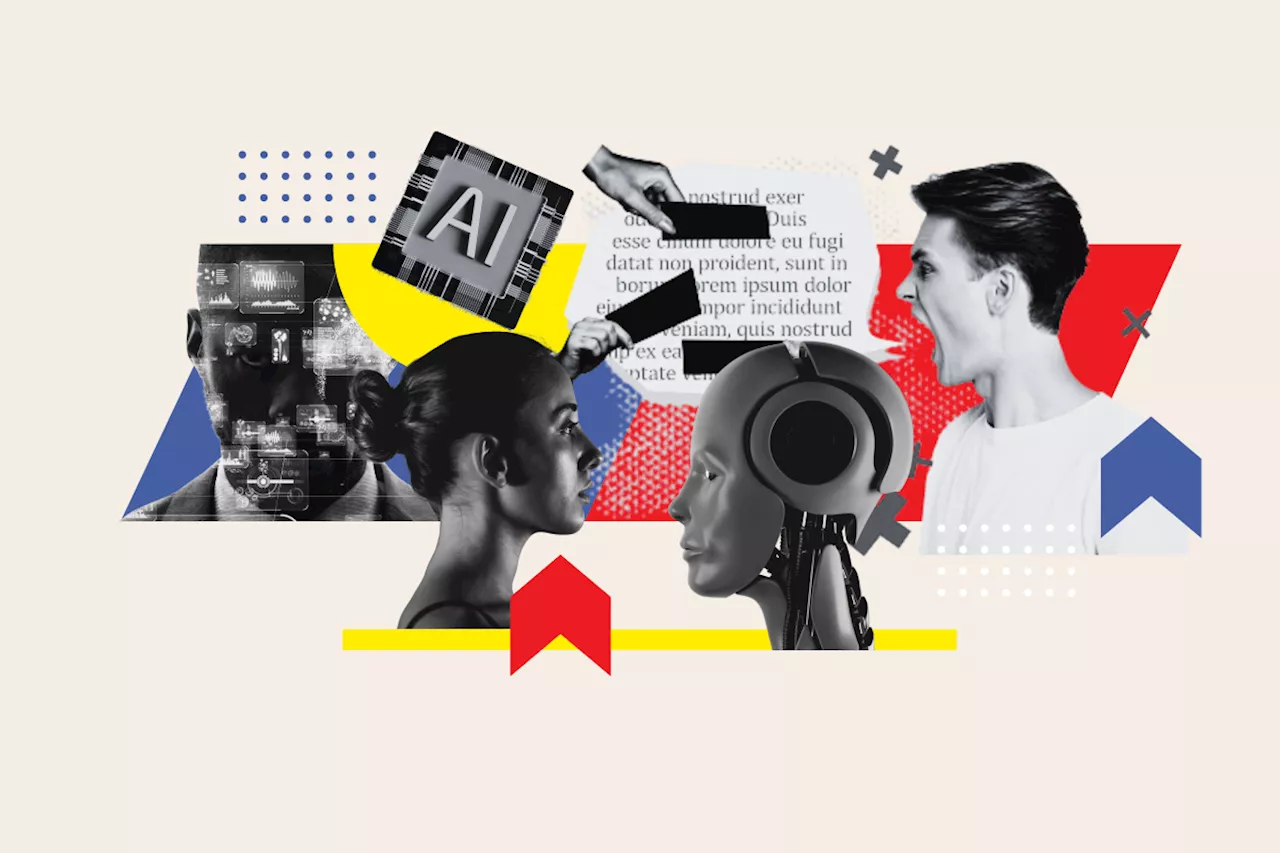
International Women’s Day has highlighted a troubling trend among senior female executives, who report a significant decline in confidence regarding gender equality in the workplace. According to a survey conducted by participants in a Harvard Business School Executive Education program, over 40 percent of these leaders believe that gender equality in their countries has worsened over the past year. This sentiment marks a striking increase of more than 30 percentage points compared to those who feel it has improved.
The executives expressed even greater concern about gender equality within their workplaces. Less than 20 percent reported an improvement, while more than 30 percent indicated a decline. These findings come at a critical time when the implications of rapid advancements in artificial intelligence (AI) are becoming increasingly relevant.
Impact of AI on Gender Equality
As AI technologies gain traction across various industries, concerns are mounting about their potential to reinforce existing biases. Research indicates that women are often underrepresented in roles that involve training and utilizing AI. Many leaders in the survey identified specific risks, including a reduction in job opportunities and the erosion of mentorship, which is already disproportionately less accessible to women.
Despite their worries, many women leaders remain optimistic about the benefits of AI for their organizations. They anticipate improvements in efficiency and productivity, with a majority expressing that these advancements could positively influence their careers. However, their optimism is tempered when considering the broader implications for women’s professional advancement. Only about 50 percent of respondents believe that AI will benefit women collectively, while approximately 30 percent remain uncertain about its impact.
Leaders highlighted the critical role of human interactions and mentorship in career growth, which they fear may diminish in an increasingly automated environment. One respondent noted, “AI mirrors the biases that are present in our society,” emphasizing that the technology is not immune to societal inequities.
Future of Gender Equality in the Workforce
The survey results serve as a wake-up call for organizations aiming to cultivate strong leadership pipelines. The perception of stalling progress in gender equality is alarming, especially when considering that women are leaving the workforce at higher rates than men, as reported by the U.S. Bureau of Labor Statistics.
With the significant transformations brought about by AI, organizations cannot afford to overlook the potential consequences for gender equity in the workplace. As women in leadership positions express both hope and concern regarding technological advancements, the question remains whether AI will exacerbate or alleviate existing disparities.
The need for sustained attention to gender issues in the context of AI advancement is urgent. As the landscape of work evolves, it is crucial for businesses to prioritize the effects of these technologies on all employees. The insights from leaders in this survey underscore the importance of ensuring that the benefits of AI are distributed equitably, lest technology further entrench gender inequality in the workplace.
Boris Groysberg, the Richard P. Chapman Professor of Business Administration at Harvard Business School and a faculty affiliate at the Gender Initiative, emphasizes the pressing need for organizations to address these issues. As companies increasingly adopt AI tools, the challenge will be to navigate the intersection of technology and gender equality effectively.
















