









































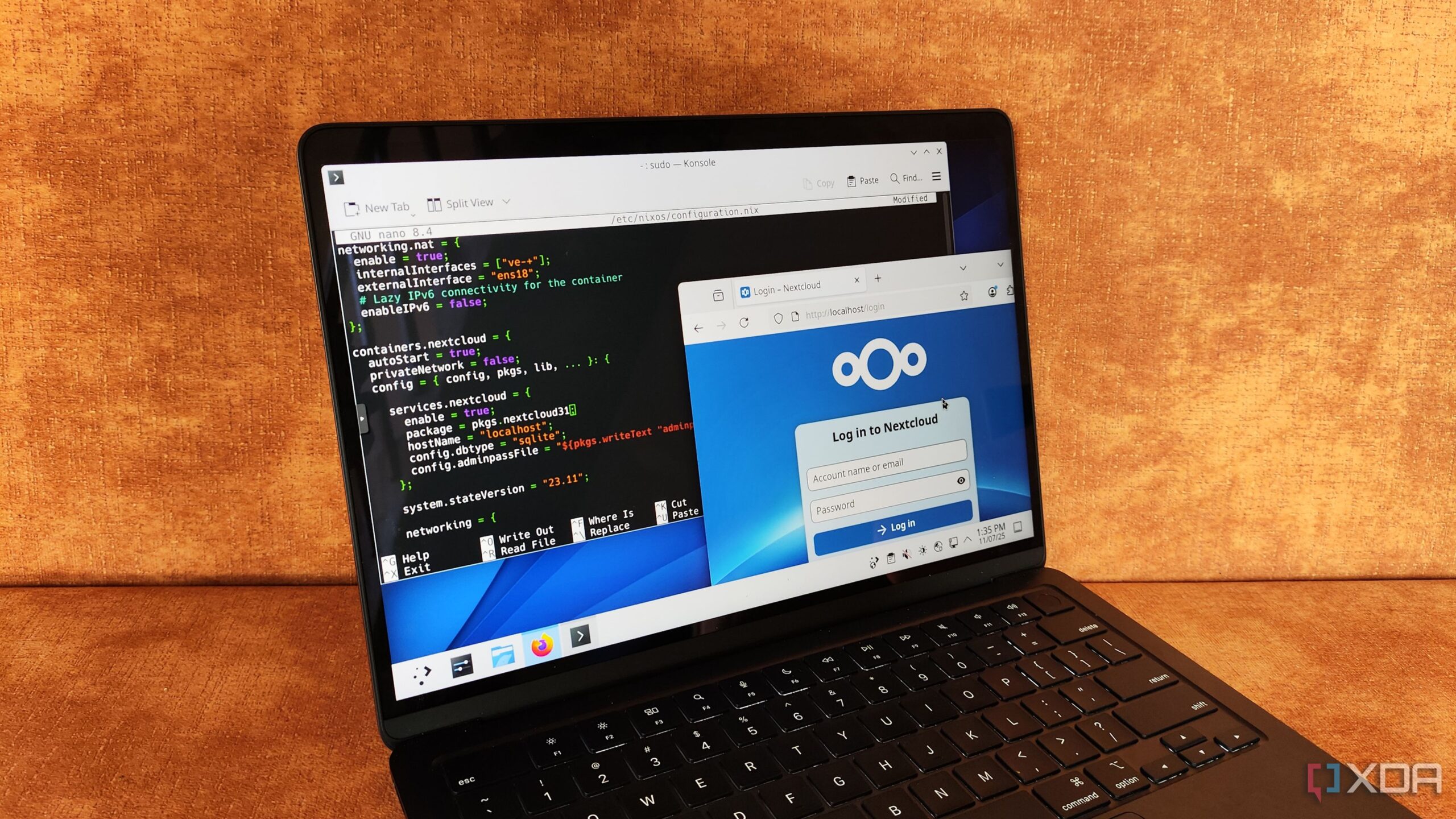
The experience of using NixOS shifts dramatically when users abandon conventional approaches associated with other Linux distributions. Many newcomers, including myself, initially treat NixOS like Ubuntu, expecting a familiar installation process and package management system. This misunderstanding can lead to frustration as users struggle to adapt to a fundamentally different way of managing their systems.
For those accustomed to traditional Linux environments, NixOS may seem daunting at first. I approached it as just another Linux distribution, expecting the same commands, such as apt install, to yield similar results. The expectation that changes would persist in the same way they do on Ubuntu made even basic tasks feel unnecessarily complicated.
Understanding the core philosophy of NixOS is crucial for a smoother transition. Rather than manually tweaking configurations and hoping for consistency, NixOS encourages users to define their system declaratively. This means creating a configuration file that describes the desired state of the system. Once I embraced this mindset, I began to see how NixOS operates on a fundamentally different level.
Shifting Perspectives on System Management
The key realization was that NixOS is designed to provide a more robust and reproducible environment. By focusing on system-wide configurations, users can avoid the common pitfalls of traditional package management. The declarative approach allows for greater control and ensures that changes are not simply temporary adjustments but rather part of a well-defined system.
This shift in perspective has profound implications for both personal and professional usage. For developers and system administrators, the ability to recreate a system configuration reliably can save significant time and reduce errors. Instead of dealing with issues caused by unpredictable changes, users can rely on a consistent and transparent setup.
Additionally, NixOS offers a unique advantage in handling dependencies. The package manager can ensure that specific versions of software are used, mitigating conflicts that often arise in other distributions. This feature is particularly beneficial in environments where stability and reliability are paramount.
Embracing the NixOS Philosophy
As I delved deeper into NixOS, I discovered a community that supports this innovative approach. Forums and documentation provide valuable insights into best practices, helping new users navigate the learning curve. The collaborative spirit among NixOS users fosters an environment where knowledge is shared, making the transition smoother for those willing to engage.
The journey from confusion to clarity with NixOS underscores the importance of understanding the tools we use. By letting go of preconceived notions and embracing the unique aspects of NixOS, users can unlock a powerful system management experience.
In conclusion, my initial struggles with NixOS were directly tied to my expectations based on previous experiences with other Linux distributions. By recognizing that NixOS is not just another Linux system but a platform that requires a different approach, I transformed my experience and gained a deeper appreciation for its capabilities. The journey is ongoing, but each step taken towards understanding NixOS has made system management not only easier but also more rewarding.
















