









































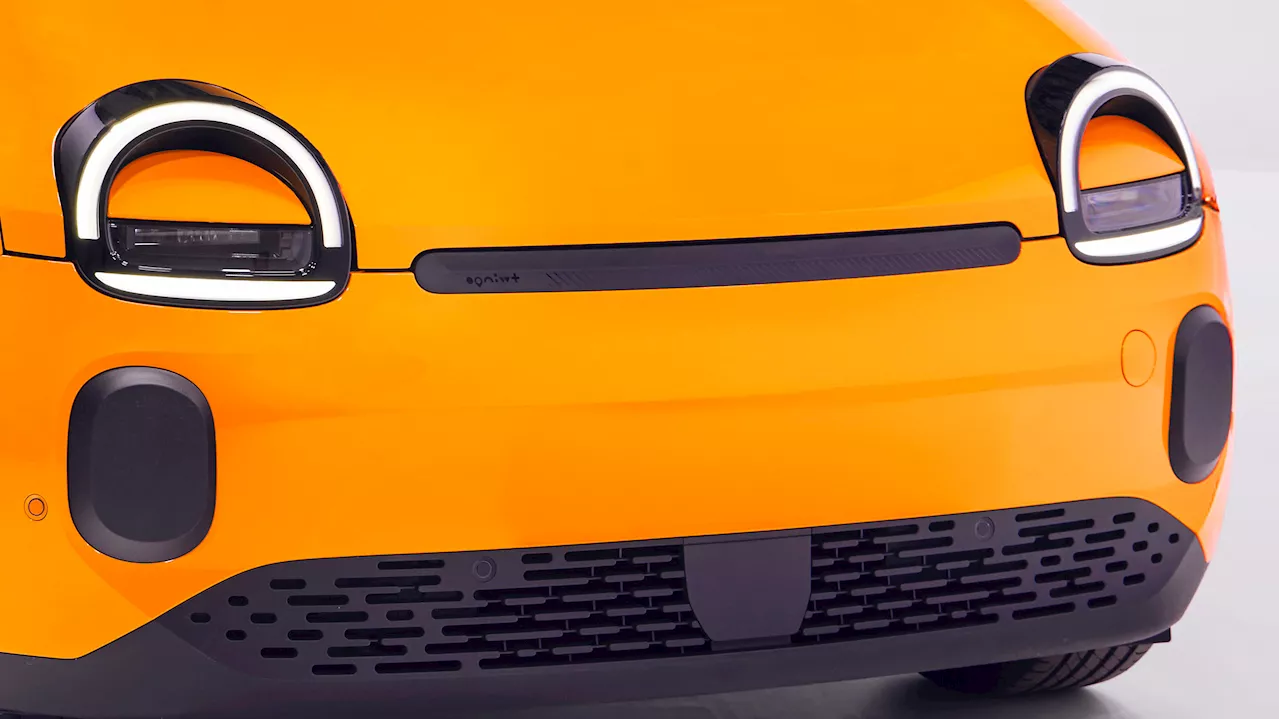
Nissan has announced plans to launch an electric hatchback named the Wave, which is set to debut next year. This new model will be constructed in Europe alongside its Renault counterpart, the Twingo, and will sit below the Micra in Nissan’s electric vehicle lineup. The Wave aims to capture the nostalgic essence of Nissan’s iconic 1980s and 1990s Pike cars, including the Be-1, Figaro, Pao, and S-Cargo.
The Wave is expected to feature design elements reminiscent of these beloved models, known for their quirky and charming aesthetics. While the vehicle will share its mechanical foundation with the Micra, it is anticipated to deliver a distinctive personality that sets it apart. This strategy aligns with Nissan’s collaboration with Renault, which has recently revived models like the Renault 5 and Twingo to appeal to a modern audience.
Specifications and Market Position
The Wave will be equipped with a 27.5 kWh battery, utilizing lithium iron phosphate technology to help maintain affordability. The expected range is around 263 kilometers (approximately 163 miles), making it ideally suited for urban driving rather than long-distance travel. With a projected starting price of under £20,000, Nissan aims to attract younger drivers in urban environments.
Nissan has not actively participated in the small car market since the discontinuation of the Pixo in 2013. The introduction of the Wave could signify a potential resurgence for small, affordable electric vehicles that offer both practicality and a touch of nostalgia.
Competitive Landscape
The Wave will face stiff competition, not only from its sibling, the Twingo, but also from upcoming models such as the Volkswagen ID.1, expected to hit the market in 2027, and the Chinese BYD Dolphin Surf. Each of these vehicles aims to capture a segment of the growing electric city car market.
Should the Wave successfully blend affordability, practicality, and retro charm, it may redefine consumer perceptions of small cars. As electric vehicle options expand, the market is increasingly receptive to innovative designs that evoke a sense of nostalgia while meeting the needs of contemporary city dwellers.
With the Wave, Nissan is poised to tap into a rich heritage while addressing modern demands, potentially reviving the cult status of its classic models.
















