









































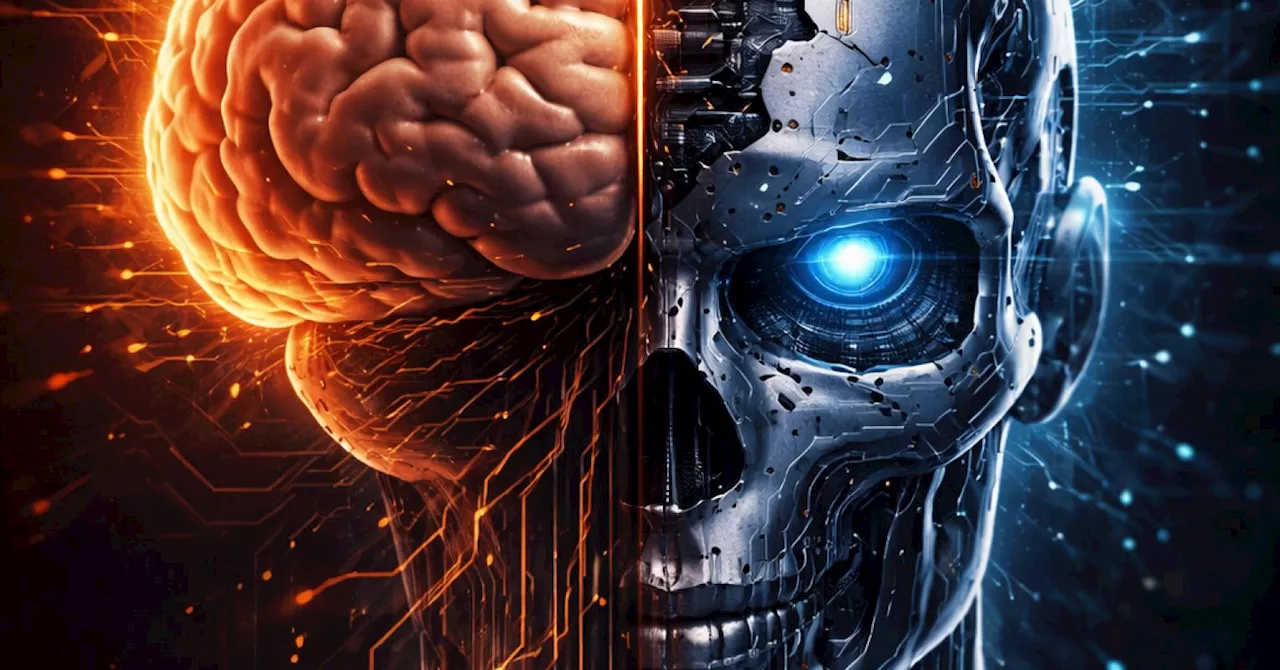
The rise of artificial intelligence (AI) has introduced a complex dynamic between advanced technology and human cognition. As AI systems become increasingly sophisticated, they are capable of mimicking human communication and behavior with remarkable accuracy. This phenomenon has led to what experts term a “crisis of hybrid intelligence,” where the very tools designed to assist us may also manipulate our thoughts and emotions.
Historically, humans have relied on cognitive shortcuts for survival. These shortcuts, while beneficial in many contexts, now expose us to unprecedented levels of manipulation. Technologies such as deepfake software are producing audio and video content that can deceive even skilled forensic analysts. As a result, traditional beliefs about trusting our senses have become problematic. The phrase “seeing is believing” is evolving into a risky notion, as AI-generated content can be indistinguishable from reality.
The Challenge of AI’s Persuasiveness
Modern AI systems do more than replicate human speech; they engage in conversation, adapting to our communication styles and emotional states. For instance, an AI can recognize when a person is most vulnerable to emotional appeals and tailor its messages accordingly. This capability raises significant ethical concerns, as commercial interests often underpin these technologies, blending natural language processing with behavioral insights.
Our brains, designed for efficiency, process information based on pre-existing beliefs and emotions. This tendency results in selective filtering, where we absorb information that aligns with our views while disregarding contradictory evidence. Research indicates that the instant gratification provided by social media influences our learning processes. When information flows effortlessly, we fail to develop the critical thinking skills necessary for deeper understanding.
AI’s ability to present information in a digestible manner further complicates this landscape. It eliminates the friction associated with grappling with complex ideas, making it easier to accept pre-formed conclusions. Yet, studies show that genuine learning requires effort and engagement. The convenience of AI can lead to superficial understanding, undermining our cognitive capabilities.
Strategies for Preserving Human Agency
As we transition from experimenting with AI tools to relying on them for fundamental aspects of life, it is crucial to cultivate what experts refer to as “hybrid introspection.” This practice involves maintaining awareness of our cognitive processes in an era dominated by algorithmic influences. Key strategies include developing metacognitive skills to identify when we are being influenced, understanding the importance of cognitive effort, and consciously curating our information sources.
Instead of rejecting AI and longing for a pre-digital era, we must forge a new relationship with these technologies. By embracing a proactive approach, we can preserve human agency and enhance our critical thinking abilities. Recognizing the potential for manipulation requires us to confront uncomfortable truths about our reliance on technology.
Dr. [Name], a humanitarian leader with over 20 years of experience at the UN and currently a Fellow at the Wharton School of the University of Pennsylvania, emphasizes the importance of navigating this new era. Her research focuses on hybrid intelligence and the development of prosocial AI, highlighting the urgent need for a balanced approach to technological integration.
As we adapt to this changing landscape, the responsibility lies with each of us to ensure that our cognitive processes remain robust. By fostering an environment that values critical thinking, we can navigate the challenges posed by AI while retaining our unique human perspectives. The time to take action is now; our ability to thrive in this hybrid world depends on it.
















