

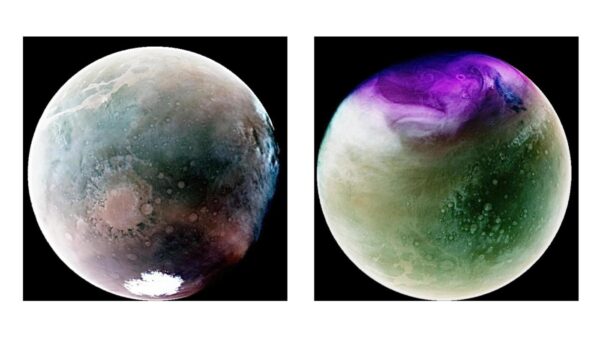






















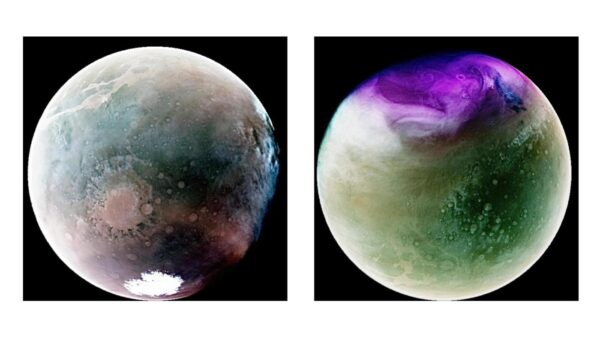















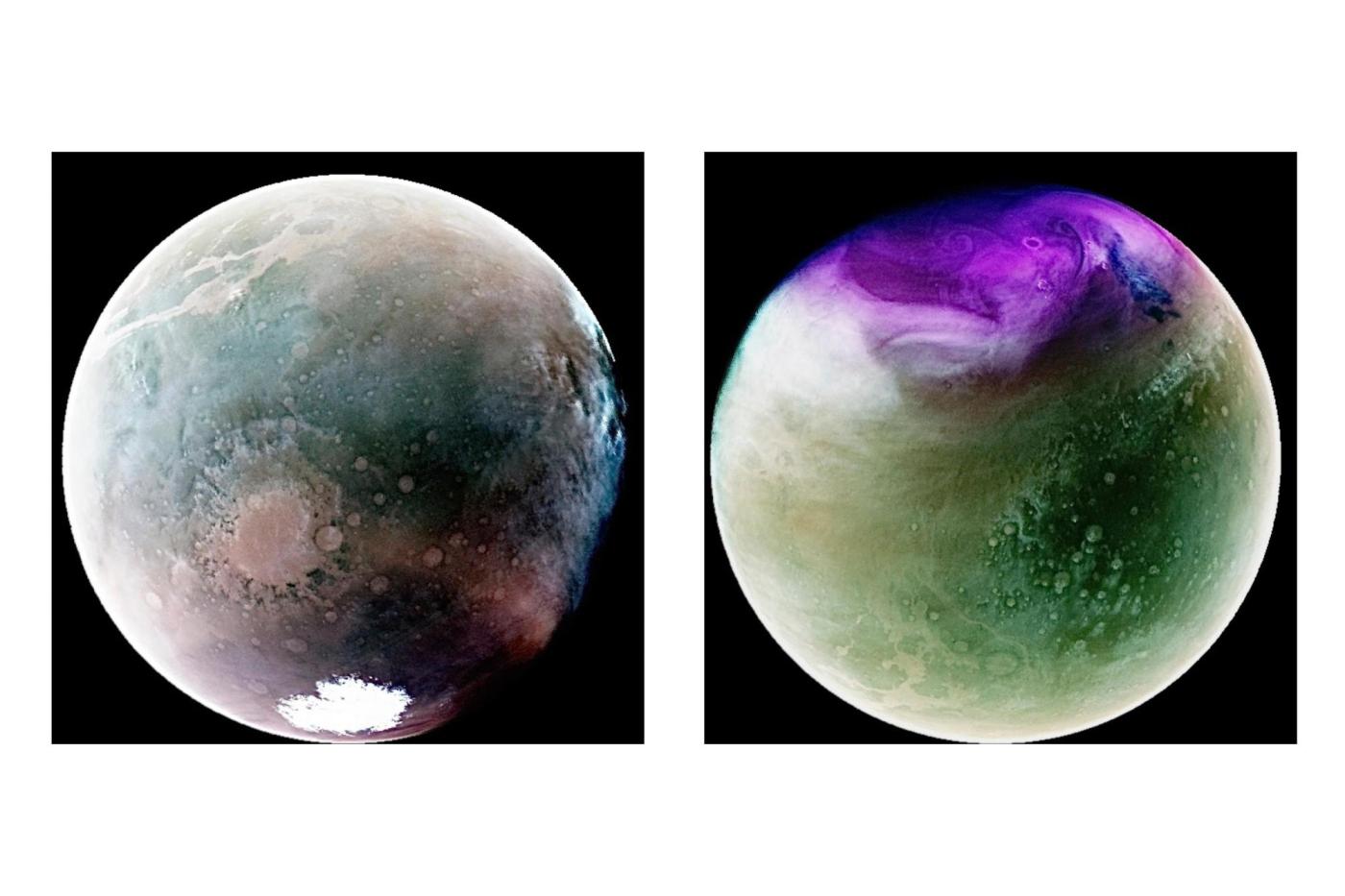
NASA has lost contact with its Maven spacecraft, which has been studying Mars for over a decade. The communication link abruptly ceased over the weekend, leaving engineers puzzled. Prior to the incident, Maven was functioning normally before it passed behind the red planet. When it re-established visibility, ground stations received no signals.
Launched in 2013, Maven entered orbit around Mars in 2014. Its primary mission has been to investigate the Martian atmosphere and how it interacts with solar wind. This research has significantly contributed to understanding how Mars transformed from a once-warm and wet environment to the cold, arid planet it is today.
Impact on Mars Research and Communication
Maven has played a crucial role beyond its atmospheric studies. It has acted as a communication relay for NASA’s two active rovers, Curiosity and Perseverance. The loss of contact with Maven raises concerns about ongoing research and the data being transmitted from these rovers.
NASA is currently conducting engineering investigations to determine the cause of the communication failure. The agency still has two other spacecraft operational in Martian orbit: the Mars Reconnaissance Orbiter, launched in 2005, and Mars Odyssey, which entered orbit in 2001. These missions continue to provide valuable data about the Martian landscape and climate.
As scientists work to regain contact with Maven, the implications of this interruption could affect various ongoing studies. The mission has been integral not only for its direct contributions to planetary science but also for its support of other missions.
NASA remains committed to resolving the issue and will provide updates as investigations proceed. The agency’s ability to maintain communication with its spacecraft is vital for future explorations and understanding of the red planet.